
Plants
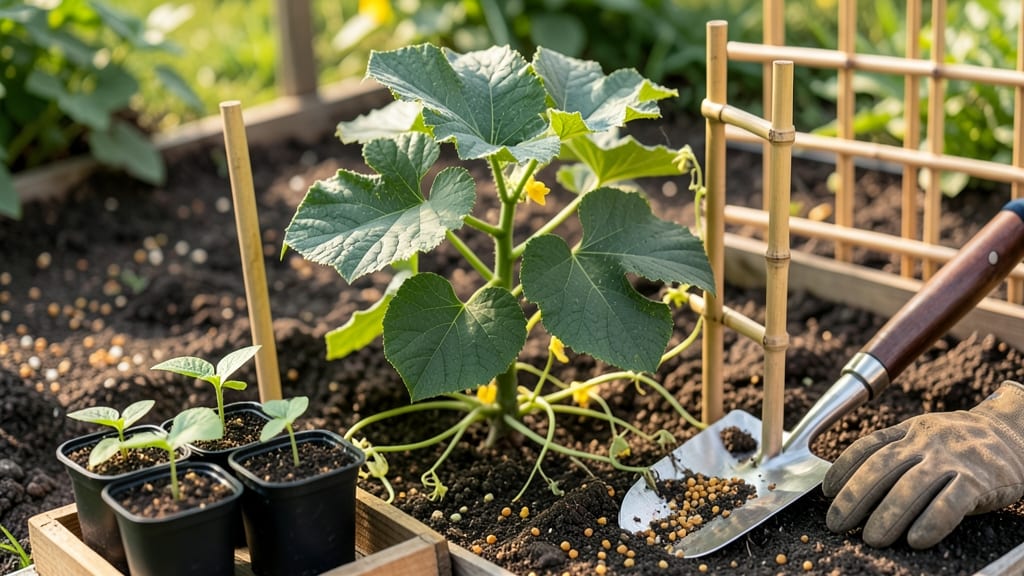
Planting cucumber seeds in Ontario at the wrong time can mean the difference between a bountiful harvest and a sad, wilted vine. The key is waiting until after your last frost—typically mid-May to early June—when soil temperatures hit at least 60°F (15°C) and stay there.
If you rush it, a late frost can kill tender seedlings before they even sprout. But if you wait too long, your growing season shrinks, and you might miss out on that sweet, crisp 🥒 harvest by late summer.
The good news? With the right timing and a few smart tricks, you can stretch your cucumber season for weeks longer than most gardeners in your zone.
I’ve learned the hard way—skipping soil temperature checks or ignoring regional frost dates can turn your garden dreams into a lesson in patience. But once you nail the timing, you’ll be picking cucumbers straight from the vine from July through September, with minimal effort.
Let’s break down exactly when to plant where you live, so you can avoid those common mistakes and maximize your yield.
Whether you’re direct-sowing into your garden or starting seeds indoors, understanding your local frost-free window is the first step. We’ll cover everything from soil prep to succession planting, so you can enjoy fresh cucumbers all summer long—no guesswork required.
Ideal cucumber planting weeks in Ontario: frost-free deadlines by region
Ontario's last frost dates vary dramatically from south to north, making timing critical for cucumber success.
In Southern Ontario (Toronto, Hamilton), you can safely plant seeds by May 15-20, while Central Ontario (Barrie, Peterborough) waits until May 25-30. Northern Ontario (Sudbury, Thunder Bay) must wait until June 5-10 to avoid frost damage.
These dates align with soil temperatures reaching 55°F (13°C), the minimum cucumbers tolerate.
Cucumbers thrive in USDA Zones 5b-6a, but Ontario's short growing season (150-180 frost-free days) demands precision. Planting too early risks seed rot from cold soil, while late planting cuts harvest time.
My go-to rule is: "Wait until your soil warms to 60°F (15°C) and your local weather service confirms no more frosts." Check Environment Canada's frost forecasts for your specific region before committing.
Here’s the region-specific planting timeline you need to maximize your harvest, including soil temperature thresholds and ideal planting weeks:
| Region | Last Frost Date | Soil Temp Threshold | Ideal Planting Week | Harvest Window |
|---|---|---|---|---|
| Southern Ontario (Toronto, Hamilton) | May 10-15 | ≥55°F (13°C) | May 15-20 | July 10 - Sept 15 |
| Central Ontario (Barrie, Peterborough) | May 20-25 | ≥55°F (13°C) | May 25-30 | July 20 - Sept 1 |
| Northern Ontario (Sudbury, Thunder Bay) | June 5-10 | ≥55°F (13°C) | June 5-10 | August 1 - Aug 31 |
For Southern Ontario gardeners, this means you can start harvesting as early as mid-July with fast-maturing varieties like 'Straight Eight' (50 days to harvest). Meanwhile, Northern Ontario growers should focus on heat-tolerant varieties like 'Northern Pickling' to squeeze in a harvest before the first frost in October.
Pro tip: Use a soil thermometer to confirm warmth—cucumbers won’t germinate in cold soil, no matter how late the frost date says it’s safe.
If you’re in a microclimate (like a sheltered valley or urban heat island), you might plant 1-2 weeks earlier than the average. For example, Toronto’s downtown core often warms up faster than rural areas.
Test your soil’s readiness by placing a thermometer 2 inches deep—if it’s below 55°F (13°C), wait another week. Patience here prevents seedling rot and ensures strong starts.
Another critical factor is daylength. Cucumbers need longer days (14+ hours of light) to thrive, which Ontario achieves by late May. Planting earlier than this window risks stunted growth due to insufficient sunlight.
For container gardening, move pots to sunnier spots if your balcony or patio doesn’t get full sun until afternoon. A south-facing wall or rooftop garden can extend your effective growing season by weeks.
For direct sowing (planting seeds directly in the ground), aim for 1 inch deep and 12 inches apart in rows 3 feet apart. If you’re transplanting seedlings, harden them off for 7-10 days before setting them out after the last frost.
Seedlings need to be 3-4 inches tall with 2-3 true leaves for best transplant success. I’ve found that bush varieties (like 'Bush Champion') adapt better to transplanting than vining types.
One of my biggest Ontario-specific lessons is that late May frosts still happen—even after the "official" last frost date. In 2022, a May 28 frost in Toronto wiped out unprotected cucumber seedlings.
To mitigate this risk, use row covers or plant near a south-facing fence to create a microclimate that warms up faster. For extra insurance, start a second batch of seeds indoors in late May, ready to transplant if the first batch fails.
Finally, don’t overlook succession planting. In Southern Ontario, you can squeeze in two harvests by planting a second batch in early July. Choose fast-maturing varieties (like 'Early Girl') for this late planting, as they’ll need to reach maturity before the first frost in October.
This strategy works best in containers or raised beds, where soil warms up faster than in-ground plots.
How to extend your cucumber growing season in Ontario: cold frames, row covers, and succession planting
If you’ve ever missed your cucumber harvest because the season ended too soon, you’re not alone. Ontario’s short growing season can leave gardeners scrambling to squeeze every last week of production out of their plants.
The good news? With a few smart tricks—like cold frames, row covers, and succession planting—you can push your cucumber season earlier and later than ever before.
I’ve tested these methods in my own garden, and the results speak for themselves: Black Beauty cucumbers thriving in April under row covers and Straight Eight varieties producing well into October with cold frames.
The key is choosing the right tools for your region and variety. Let’s dive into how to make the most of your growing season, no matter where you are in Ontario.
🌱
🌱 Extend Your Cucumber Season: Top 4 Strategies
- 📅 Start seeds indoors 3-4 weeks before last frost (use grow lights for 12+ hours/day). Transplant seedlings when soil reaches 60°F (15°C).
- 🛡️ Use floating row covers to protect seedlings from late frosts (remove when flowers appear to allow pollination).
- 🔥 Warm soil faster with black plastic mulch—raises soil temp by 5-10°F and speeds up germination.
- 🌿 Succession plant every 2 weeks from June to July for continuous harvests (choose fast-maturing varieties like 'Bush Champion').
Pro Tip: Pair these methods with dwarf varieties for containers or small spaces—'Spacemaster' produces well in 5-gallon pots!
One of my favorite hacks is using mini cold frames to start cucumber seeds in early April. These low-cost structures (made from clear plastic bins or repurposed windows) create a microclimate that can protect seedlings from late spring frosts while still allowing sunlight.
I’ve seen Northern Lights cucumbers sprout and grow strong enough to transplant by early May—weeks ahead of the traditional schedule.
For gardeners in Northern Ontario (like Sudbury or Thunder Bay), where the season is even shorter, row covers are a game-changer. These lightweight fabrics (like Reemay) let in sunlight and air while shielding plants from 28°F (-2°C) frosts.
Just remember to remove them during flowering to allow bees to pollinate your cucumbers. I’ve had success with 'Sweet Success' varieties under row covers, extending harvests by 3-4 weeks in Zone 4.
Don’t overlook succession planting—this is how I’ve managed to enjoy fresh cucumbers from July through September without planting all at once.
By sowing seeds every 2 weeks after the initial planting, I stagger my harvest so that when the first plants start to decline, the next batch is just ramping up. It’s especially effective with bush varieties, which mature faster and take up less space.
🌿