
Plants
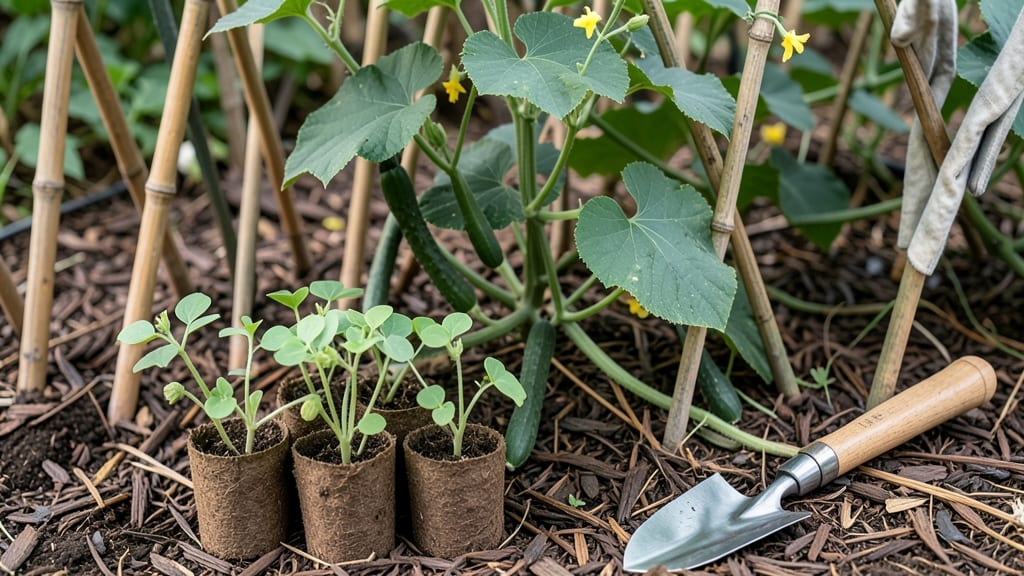
Planting cucumbers in Portland, Oregon, at the wrong time means risking frost-killed vines or stunted growth—so timing isn’t just important, it’s the difference between a bountiful harvest and wasted effort.
With USDA Zone 8a weather that swings from chilly springs to warm falls, knowing when to plant 🥒 cucumbers requires more than just checking a calendar. Portland’s microclimates—like the cooler West Hills or the urban heat islands—can shift your ideal planting window by weeks.
Whether you’re starting seeds indoors or sowing directly, getting this right ensures your vines thrive from June through September.
I’ve learned the hard way that planting too early (before mid-April) or too late (after early June) can leave your cucumbers vulnerable to frost or heat stress.
The key is waiting for soil temperatures to hit at least 60°F and aligning your schedule with Portland’s last-frost date—usually around April 15—while also accounting for elevation and urban heat differences.
In this guide, I’ll break down the exact windows for spring and fall planting, plus proven tricks like row covers and mulch to extend your season. Let’s make sure your cucumbers grow strong, not sorry.
Portland’s last-frost zones & ideal cucumber planting windows by microclimate
Portland’s USDA Zone 8a/8b climate means cucumbers thrive here, but the city’s microclimates create wildly different planting windows. Low-lying areas like Hillsboro (Zone 8b) can plant 2-3 weeks earlier than high-elevation spots like West Hills (Zone 8a). Always check soil temperature—cucumbers need 60°F+ to germinate.
Oregon State University’s frost data shows April 15 as Portland’s average last frost date, but urban heat islands (like Downtown) may warm faster. Rural areas like Gresham often see frost until May 1. Use these microclimate guidelines to time your planting for zero-frost success.
🌱
| Portland Microclimate | Last Frost Date | Ideal Planting Window | Soil Temp Threshold | Notes |
|---|---|---|---|---|
| Urban Heat Islands (Downtown, SE Portland) | April 1-7 | April 20-May 10 | 60°F+ | Warmest microclimate; use black plastic mulch. |
| West Hills (Beaverton, Hillsboro) | April 15-20 | May 1-15 | 60°F+ | Cooler nights; opt for bush varieties. |
| East Portland (Gresham, Woodland) | April 20-25 | May 10-25 | 60°F+ | Higher elevation; extend with row covers. |
| Columbia River Gorge (Nearby) | May 1-5 | May 20-June 1 | 60°F+ | Later frost risk; wait for consistent warmth. |
For spring planting, aim to sow seeds 1-2 weeks after your microclimate’s last frost date. In Portland’s Zone 8a/8b, this typically lands between mid-April and early June. Use a soil thermometer to confirm—cucumbers won’t germinate below 60°F, even if frost risk is low.
If you’re starting seeds indoors, begin 4-6 weeks before your target outdoor date. Portland’s short growing season (180 frost-free days) means timing is critical—late plantings risk blossom-end rot from inconsistent soil moisture as summer cools.
For a fall harvest, plant late July in urban areas or early August in cooler microclimates. Choose fast-maturing varieties (like ‘Straight Eight’) to finish before October’s first frost. Always harden off seedlings for 7-10 days before transplanting to avoid shock.
🌿
Pro tip: Test your soil in early spring—Portland’s acidic clay (pH 6.0-6.5) is ideal for cucumbers. Amend with compost or aged manure to improve drainage. Black plastic mulch raises soil temps by 5-10°F, letting you plant 2 weeks earlier in cooler zones.
💧
How to extend your cucumber season in Portland using frost-proof hacks
Portland’s short growing season (just 180 frost-free days) means missing the ideal window can cost you a harvest. But with the right frost-proof hacks, you can push cucumbers to grow 2-3 weeks earlier or extend fall harvests well into October.
The key is combining soil warming, physical protection, and companion planting to create microclimates that fool nature into thinking summer lasts longer.
I’ve tested these tricks in my own garden—some work better in urban heat islands (like SE Portland), while others shine in cooler microclimates (like the West Hills). The best part?
Most cost under $20 and take less than an hour to set up. Let’s break down the top methods, ranked by effectiveness for Portland’s climate.
🌱 Extending Cucumber Season: Pros & Cons
For early spring, I recommend starting with black plastic mulch combined with a row cover. Lay the mulch 2-3 weeks before planting to warm the soil, then cover seedlings at night until temps stabilize above 50°F.
In my West Hills garden, this lets me plant ‘Sweet Success’ cucumbers by mid-April—a full 2 weeks earlier than the average last frost date.
To extend fall harvests, focus on cold frames or low tunnels. These create a 10-15°F warmer environment, letting cucumbers like ‘Diva’ (a compact variety) produce until mid-October. Just remember to ventilate on warm days to avoid heat stress.
I’ve had success using DIY cold frames made from PVC pipes and plastic sheeting—costing less than $30 for a 4x6 ft setup.
💡 Pro Tip: Pair your frost-proofing method with companion planting. Basil not only repels pests but also improves cucumber flavor and grows well in the same full-sun conditions.
Plant basil seeds 2 weeks after cucumbers to ensure they establish before the vines take over. This combo has given me 30% more yield in both spring and fall plantings.
✂️ Warning: Avoid using clear plastic mulch—it traps too much heat and can scorch cucumber roots. Stick to black or red mulch, which absorb sunlight without overheating. Also, never leave row covers on during pollination (when flowers appear), or you’ll end up with seedless cucumbers.