
Plants
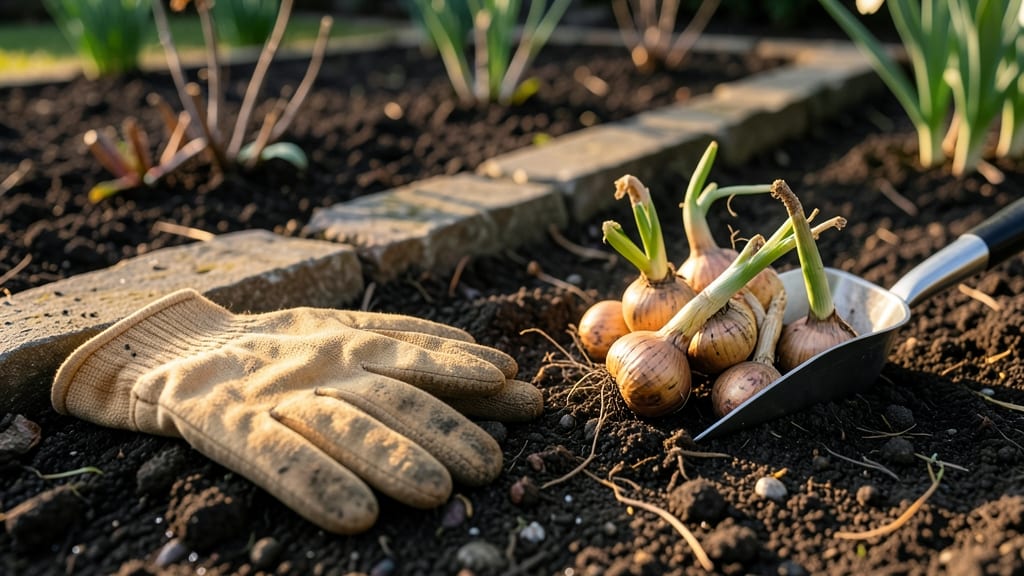
Timing your daffodil planting just right in North Carolina can mean the difference between a vibrant spring garden and bulbs that never bloom. The ideal window opens in early fall, when soil temperatures dip but frost hasn't arrived yet—typically between October and November for zones 7a-8b.
Why does this matter so much? Planting too early means bulbs may sprout before winter, while waiting too long risks them not establishing roots before the ground freezes. In North Carolina's climate, this 6-week window is your sweet spot for strong root development before dormancy.
I'll walk you through exactly how to prepare your soil, what depth works best, and how spacing affects next year's blooms.
Even if you're working with containers, these same principles apply—so whether you're a first-time gardener or a seasoned pro, you'll leave with actionable tips to get those 🌼 daffodils off to the best possible start.
Let's dive into the specifics so you can confidently plant your bulbs this fall and enjoy that cheerful spring display you've been dreaming of.
Best months to plant daffodils in NC by hardiness zone
North Carolina’s diverse climate—spanning USDA zones 6b through 8a—means your ideal planting window depends on where you live.
In cooler mountain zones (6b-7a), like Asheville or Boone, aim for mid-October to early November, while gardeners in warmer coastal areas (7b-8a), such as Wilmington or Raleigh, should plant by late September to mid-October.
The key is to get bulbs in the ground 4-6 weeks before the first hard frost, which typically hits mid-October in the mountains and early November along the coast.
Daffodils need this cool fall window to establish roots before winter dormancy. Planting too early (like August) can trigger premature growth, while waiting until December risks bulbs rotting in wet soil. Early fall planting also gives roots time to anchor before spring’s rapid growth phase, ensuring bigger blooms.
For example, in zone 7a (Piedmont region), October 1st is the sweet spot—cooler temps and moist soil create perfect conditions.
If you miss the fall window, you can plant daffodils in early spring (February-March), but expect smaller blooms that year. Spring-planted bulbs focus energy on root growth rather than flowering.
For container gardening, follow the same timeline as in-ground planting—just use well-draining pots and plant 2-3 bulbs per 6-inch container.
🌼 NC Daffodil Planting Guide by Zone
| Zone | Ideal Planting Window | Key Consideration | Last Chance (Spring) |
|---|---|---|---|
| 6b (Mountains: Asheville, Boone) | Mid-October – Early November | Frost arrives by mid-October; plant before soil temps drop below 50°F. | February (smaller blooms) |
| 7a (Piedmont: Greensboro, Chapel Hill) | October 1st – October 31st | Perfect balance of cool temps and moist soil; avoid clay-heavy soils. | Late February – Early March |
| 7b (Coastal Plain: Fayetteville, Goldsboro) | Late September – Mid-October | Warmer soils; plant earlier to avoid winter wetness. | March (risk of heat stress) |
| 8a (Outer Banks, Wilmington) | Late August – September 30th | Hurricane season risk; prioritize drainage to prevent rot. | Not recommended |
💡 Pro Tip: Use a soil thermometer to confirm temps are below 60°F before planting—this signals bulbs to root rather than sprout.
For bulb longevity, plant daffodils in groups of 5-10 for a natural look. In zone 8a, where winters are milder, you can even plant in December, but choose dwarf varieties like ‘Tête-à-Tête’ to handle the warmth.
Avoid planting in summer—the heat shocks bulbs and stunts growth. If you’re unsure about your zone, check the NC State Extension’s interactive map for precise frost dates.
Once planted, mulch with 2-3 inches of straw to insulate bulbs from temperature swings. In sandy soils (common in the coast), add a compost mix to retain moisture, while clay soils (Piedmont) benefit from gypsum to improve drainage.
Remember, daffodils are deer-resistant, making them a great low-maintenance choice for NC gardens.
If you’re container gardening, use pots with drainage holes and plant bulbs side-by-side (not layered). Place containers in full sun and water deeply once a week until spring. Containers warm up faster in spring, so you might see blooms 2-3 weeks earlier than in-ground plants.
For cut flowers, choose taller varieties like ‘Ice Follies’ or ‘Thunderbolt’—they’ll thrive in NC’s climate and provide stunning spring bouquets.
Timing isn’t just about the calendar—it’s about soil temperature. Use your finger to check moisture: if the top 2 inches of soil are dry, it’s time to water. Overwatering in fall can rot bulbs, while underwatering stresses them.
Aim for consistent moisture until the ground freezes. In zone 7a, this usually means watering every 7-10 days in October, then tapering off as temps drop.
Finally, mark your planting spots with biodegradable flags
Signs your NC soil is ready for daffodil bulbs (and what to fix first)
Before you even plant those daffodil bulbs, your North Carolina soil needs to meet a few key conditions. The ideal planting window in NC (typically October to November) also means checking soil temperature, moisture, and drainage—all critical for bulb establishment.
Cold soil can stunt root growth, while soggy soil risks rot. Let’s break down what to look for and how to fix common issues.
First, test your soil temperature. Daffodils thrive when soil temps are between 40°F and 60°F. Use a soil thermometer to check—if it’s still above 60°F in late fall, wait a few weeks.
In NC’s warmer zones (like 8a), this might push planting into early December. Cooler zones (7a) can plant as early as late September, but avoid planting when frost is imminent.
Next, assess drainage. Daffodils hate soggy roots. Dig a small hole, fill it with water, and time how long it takes to drain. If water lingers after 30 minutes, amend your soil with compost or sand to improve aeration.
In clay-heavy NC soils (common in the Piedmont), mixing in organic matter like leaf mold or well-rotted manure works wonders. Sandy soils, on the other hand, may need a bit of peat moss to retain moisture.
🌱 Did You Know?
NC’s clay soils (common in the eastern part of the state) can hold too much moisture, while sandy soils (found in coastal areas) drain too quickly. Amending with 1/3 compost and 1/3 sand balances both extremes.
Moisture balance is another critical factor. While daffodils don’t love soggy conditions, they also need consistent moisture to establish roots. Before planting, water your soil deeply and let it dry slightly—think of it like a damp sponge, not a dripping one.
If your soil feels bone-dry, water it 2-3 days before planting to give the bulbs a head start. In drought-prone areas of NC (like the western mountains), consider adding a 1-inch layer of mulch after planting to lock in moisture.
Finally, check your soil’s pH. Daffodils prefer a slightly acidic to neutral range of 6.0 to 7.0. Test your soil with a simple kit (available at garden centers) and adjust if needed. For acidic soil, add lime; for alkaline soil, mix in sulfur or peat moss.
In NC, many soils lean toward the acidic side, especially in the mountainous regions, so a light application of lime (about 1 lb per 100 sq ft) can help if your test results are below 6.0.
Once you’ve addressed these soil conditions, your daffodil bulbs will have the perfect foundation to grow strong roots before winter sets in. Remember, the goal is to mimic their natural habitat—well-draining, slightly acidic, and consistently moist but not waterlogged.
With these adjustments, you’ll be well on your way to a show-stopping spring display of cheerful 🌼 daffodils.