
Plants
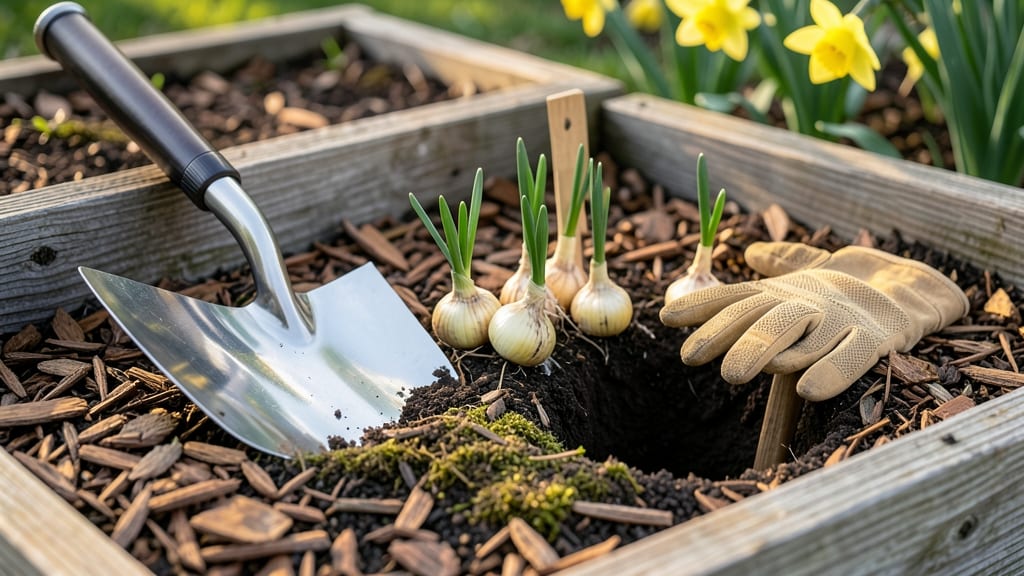
Planting daffodils in Tennessee isn't just about sticking bulbs in the ground—it's about timing them perfectly to beat the frost and guarantee those cheerful 🌼 blooms every spring. If you've ever watched your neighbors' daffodils pop up while yours stay stubbornly underground, you're not alone.
The secret lies in understanding Tennessee's unique USDA 6a-7b zones and planting just 6-8 weeks before the first frost—usually between mid-October and November.
Why does timing matter so much? Because daffodils need cold dormancy to thrive, but they can't handle wet, freezing soil. In Tennessee's variable climate, planting too early risks rot, while waiting too long means they'll struggle to establish roots before winter.
I'll show you exactly how to read your local frost dates and adjust your schedule—whether you're in the cooler Appalachian foothills or the warmer Nashville basin—to get those bulbs snug in the soil at the perfect moment.
Most gardeners focus only on the planting window, but the real game-changer is soil prep. Tennessee's clay-heavy soils in some areas and sandy loam in others can make all the difference.
We'll cover how to amend your soil, choose the right daffodil varieties for your microclimate, and even protect your bulbs from Tennessee's pesky deer and squirrels. Trust me, these small adjustments will transform your daffodils from lackluster to show-stopping.
Ready to turn your Tennessee garden into a springtime daffodil paradise? I'll walk you through every step—from selecting bulbs to post-planting care—so you can enjoy those bright blooms year after year without the guesswork. Let's get those 🌼 planted right the first time.
Tennessee planting zones & best months for daffodil success
Tennessee spans USDA zones 5b through 8a, meaning frost dates vary dramatically from the cool mountain regions of East Tennessee to the warmer valleys of Middle and West Tennessee.
Daffodils thrive when planted in fall (6-8 weeks before the first hard frost), allowing bulbs to establish roots before winter dormancy. In most of Tennessee, this means mid-October to early November, but timing shifts slightly depending on your zone.
For example, gardeners in zone 5b (e.g., Gatlinburg) should plant by late September to avoid early frosts, while those in zone 7b (e.g., Memphis) can wait until mid-November.
Spring planting is possible but risky—bulbs need time to root before summer heat sets in, so only attempt it if you’re in zone 8a (e.g., Chattanooga’s lower elevations) and plant in very early spring (February).
Here’s how Tennessee’s zones break down for daffodil success:
| USDA Zone | Region Examples | First Frost Date | Ideal Planting Window | Bloom Time |
|---|---|---|---|---|
| 5b | Gatlinburg, Townsend | Mid-October | Late September–early October | Late April–early May |
| 6a | Knoxville, Bristol | Late October | Mid-October–early November | Early–mid April |
| 7a | Nashville, Chattanooga (valleys) | Early November | October–mid-November | Mid–late March |
| 7b | Memphis, Jackson | Mid-November | November–early December | Late February–early April |
| 8a | Chattanooga (higher elevations) | Late November | December (or February for spring planting) | January–March |
Pro tip: Use the UT Extension Office’s frost date calculator for your specific county—it accounts for Tennessee’s microclimates (e.g., urban Nashville vs. rural Cumberland Plateau). For most gardeners, late October is the sweet spot to balance frost risk and root establishment.
If you’re in
How to time daffodil planting for zero-frost blooms in Tennessee
Timing your daffodil planting isn't just about picking a month—it's about reading your Tennessee garden's unique signals. The magic number is 6-8 weeks before the first hard frost, but even that varies by 10-14 days between East Tennessee's mountains and Middle Tennessee's valleys.
For most gardeners, this lands in late October, but let's break down how to pinpoint your exact window using three foolproof methods.
First, check your local frost dates from the UT Extension Office—their county-specific data accounts for Tennessee's microclimates better than general zone guides. For example, Nashville (zone 7a) typically sees its first frost around November 15th, while Bristol (zone 6a) freezes by October 28th.
Planting 6 weeks before those dates gives bulbs just enough time to root before winter.
Here’s my step-by-step guide to perfect timing, including soil temperature cues and moon phase tips that Tennessee gardeners swear by:
- 1
- 2
- 3
- 4
- 5
Don't overlook the soil preparation step—amend your beds with compost or sand if your Tennessee soil is heavy clay (common in Middle Tennessee) or sandy loam (found in East Tennessee's valleys). Well-draining soil prevents rot, which is the #1 reason daffodils fail in Tennessee gardens planted too early.
For gardeners in zone 8a (e.g., Chattanooga’s lower elevations), spring planting is an option—but only if you plant by February 15th and keep soil moist until roots establish. This method works best for containers or raised beds where you can control soil warmth.
Just remember: spring-planted bulbs often bloom later and may need extra winter mulch to survive.
Pro tip: Mark your planting date on a garden calendar and note the soil conditions (dry, moist, or soggy). Over time, you’ll spot patterns—like how wet October soils in East Tennessee can delay planting by a week or two.
The more you observe, the more you’ll refine your timing for zero-frost blooms every spring. 🌼