
Plants
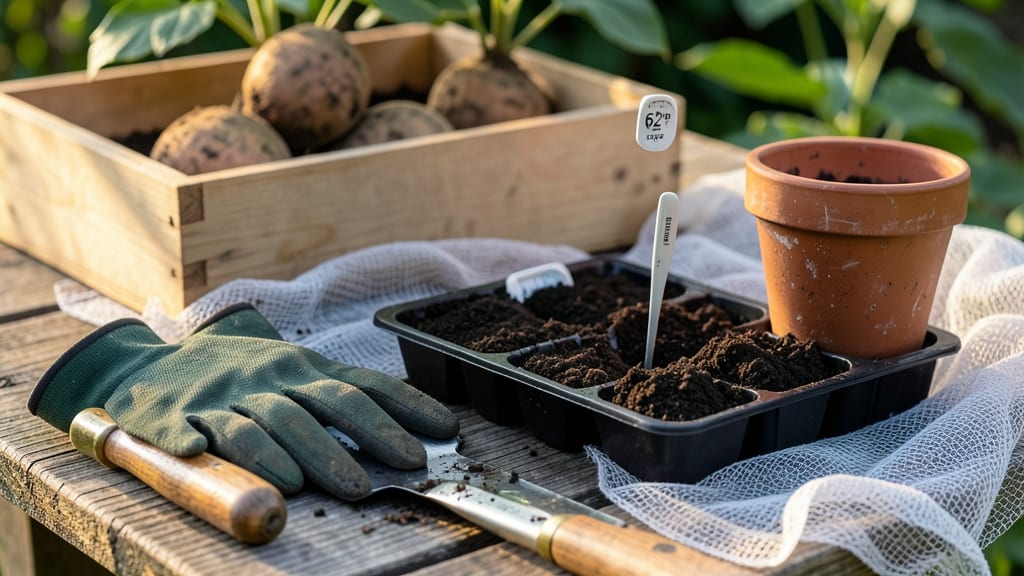
Planting your dahlias at the wrong time in Vermont could mean waving goodbye to those stunning 🌸 blooms before fall frost hits. The key to success isn't just waiting for warm weather—it's understanding your local frost dates and soil conditions to give your tubers the perfect head start.
Most Vermont gardeners wait until mid-May to early June, after the last frost, but that window can shift dramatically depending on your exact location in zones 4b-6a.
Whether you're in Burlington's coastal climate or the cooler highlands near Stowe, knowing when the ground reaches 60°F makes all the difference for tuber survival and bloom timing.
I've learned the hard way that rushing dahlias into cold soil leads to stunted growth, while planting too late cuts your blooming season short. The solution? A simple checklist that accounts for Vermont's unpredictable spring—and I'll walk you through exactly what to watch for.
From hardening off tubers to adjusting for late frosts, these strategies will help you maximize your dahlias' potential. Let's get your garden ready for a season of vibrant blooms that'll make your neighbors green with envy.
Vermont’s frost dates & ideal planting window for dahlias
Vermont’s last spring frost typically arrives between May 10-20, but this can vary by 10-14 days depending on your location. In Burlington, coastal influences often mean earlier frost-free dates, while inland areas like Montpelier or Stowe may see frost lingering until late May.
For dahlias, which need 120 frost-free days to bloom, timing is everything.
Your dahlias should go into the ground 4-6 weeks after your last frost when soil temperatures consistently reach 60°F (15°C). This usually lands in mid-May to early June for most of Vermont.
Planting too early risks tuber rot in cold soil, while waiting too long cuts your blooming season short before fall frost hits around October 1.
I’ve found that checking soil temperature with a thermometer is more reliable than guessing by air temperature. Dahlias are tender perennials, and their tubers won’t thrive until the ground warms up. If you’re in doubt, err on the side of waiting—your dahlias will thank you with bigger, healthier blooms.
🌱 Vermont Dahlia Planting Timeline
| Stage | Action | Notes |
|---|---|---|
| Early April | Start tubers indoors (if using) | Only for late varieties; chill tubers first |
| Mid-May | Hardening off tubers (outdoor prep) | Acclimate to outdoor temps for 1 week |
| Late May | Plant tubers 4-6 inches deep | Soil must be at least 60°F |
| June-August | Water deeply & fertilize | 1-2 gallons per plant weekly |
| September | Cut back stems & dig tubers | Before first frost (store indoors) |
Vermont’s USDA zones 4b-6a mean you’ll need to account for late frosts even after Memorial Day. In my garden near Montpelier, I’ve seen surprise frosts in early June, so I always have row covers ready.
For coastal areas like Burlington, you might get away with planting 2 weeks earlier, but inland gardeners should wait until after May 20.
Pro tip: Use the National Weather Service’s frost prediction maps or local extension office data to fine-tune your planting date. In my experience, late May is the safest bet for most of Vermont, giving dahlias enough time to establish roots before summer heat arrives.
If you’re growing dwarf varieties, they’ll tolerate slightly cooler conditions, but standard dahlias need that 60°F soil to thrive. I’ve had the best luck with ‘Café au Lait’ and ‘Bishop’ varieties—they’re hardy enough to handle Vermont’s short season while still delivering stunning blooms.
Remember, dahlias need 120 days from planting to first bloom, so if you’re aiming for late summer flowers, you’ll need to plant by early June at the latest. Fall frosts around October 1 mean you’ve got a tight window—don’t miss it!
For gardeners in high-altitude areas like Stowe or Jay Peak, consider starting tubers indoors in late April to give them a head start. I’ll cover microclimate adjustments in the next section, but for now, focus on soil temperature as your primary guide.
One final tip: If you’re unsure about your last frost date, plant a few tubers in pots first. This lets you monitor their progress and move them outdoors only when conditions are perfect. It’s a small extra effort that pays off with healthier plants and more blooms.
Vermont’s frost dates & ideal planting window for dahlias
Vermont’s last frost dates vary dramatically across regions, making timing critical for dahlias. In Burlington, the average last frost is May 15, while Montpelier typically sees frost until May 22, and Rutland can linger until May 25.
These dates shift yearly, so always check local forecasts or use USDA Plant Hardiness Zone 4b-6a guidelines as your baseline.
Dahlias thrive when planted after soil reaches 60°F (15°C), which usually aligns with 4-6 weeks after last frost. This timing ensures tubers won’t rot in cold soil while giving plants 120 frost-free days to mature and bloom before fall frost hits around October 1.
In Vermont’s short growing season, this window is non-negotiable for vibrant blooms.
| Location | Avg Last Frost | Soil Temp for Planting | Ideal Planting Window |
|---|---|---|---|
| Burlington | May 15 | 60°F (after May 20) | Late May |
| Montpelier | May 22 | 60°F (after May 28) | Early June |
| Rutland | May 25 | 60°F (after June 1) | Early June |
🌡️ Use a soil thermometer to confirm readiness!
For early blooming varieties, aim to plant by June 1 in most of Vermont to ensure flowers appear by late July. Late varieties can handle planting until July 15, but expect fewer blooms before frost.
I’ve found that dwarf varieties (like ‘Café au Lait’) mature faster and are more forgiving if planted slightly later.
Pro tip: If your soil is still cold in early June, start tubers indoors under grow lights 6-8 weeks before transplanting. This trick extends your blooming season by 3-4 weeks, which is a game-changer in Vermont’s short summer.
Just be sure to harden off seedlings for 7-10 days before moving them outside.
Remember, Vermont’s microclimates can shift frost dates by weeks. If you’re in a high-altitude area like Stowe, add an extra 2-3 weeks to your planting timeline. Conversely, sheltered valleys may warm up faster—pay attention to your specific location’s history.
Don’t wait until the last minute to prep your dahlias. Mark your calendar for late May to early June, test your soil temperature, and get those tubers in the ground when conditions are perfect. Your future blooms will thank you! 🌸