
Plants
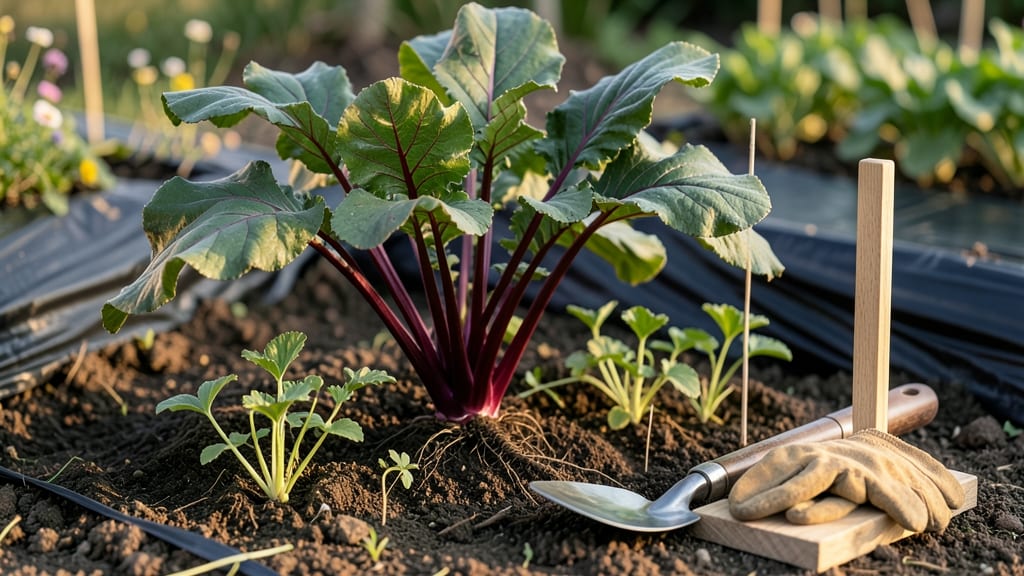
Planting fall beets in Zone 6 at the right time can turn your garden into a sweet, earthy harvest—if you time it perfectly. The key lies in those 8-10 weeks before frost, a window that ensures tender roots instead of woody disappointments.
I’ve learned the hard way that rushing or waiting too long means missing out on those rich, flavorful harvests we all crave.
For Zone 6 gardeners, this means starting seeds in August for a late fall harvest, just as temperatures dip and days grow shorter.
But don’t worry—even if you’re new to beet growing, I’ll break down exactly how to calculate your local frost dates and adjust for your specific region, whether you’re in the Midwest or Northeast. The goal? Beets that stay sweet and crisp right up until the first hard freeze.
Beyond timing, there are a few secrets to success: soil temperature, spacing, and even variety choices that thrive in cooler weather. I’ll share my top tips for avoiding common pitfalls like bolting or leafy growth, so you can focus on reaping the rewards.
Let’s get those seeds in the ground at the perfect moment for a bounty you’ll be proud of.
Ready to grow beets that taste like they came straight from a farmers’ market? I’ll walk you through every step—from soil prep to harvest—so you can enjoy homegrown goodness all fall long. No guesswork, just results.
Zone 6 fall beet planting calendar: exact weeks before frost for perfect harvests
In Zone 6, the 8-12 week window before your first frost is your golden opportunity for fall beets. For most of us, this translates to late July through early September plantings, depending on your exact location.
I’ve found that starting seeds in mid-August gives me the sweet spot—a harvest just as temperatures cool and days shorten, ensuring tender roots instead of tough, fibrous failures.
The key is understanding your average first frost date. In Zone 6, this typically falls between mid-October and early November, but it varies by region.
For example, gardeners in Northern Zone 6 (6a) like parts of Michigan or New York might aim for late July plantings, while those in Southern Zone 6 (6b), such as Northern Virginia or Tennessee, can extend to early September.
Always check the USDA Plant Hardiness Zone Map for your specific area.
To calculate your exact planting window, subtract 10 weeks from your first frost date. For instance, if your frost date is October 15th, you’ll want seeds in the ground by August 11th.
This timing ensures beets mature before cold snaps turn them woody. I’ve used this method for years, and it’s never let me down.
Pro tip: Use the Old Farmer’s Almanac or your local Cooperative Extension Service for hyper-local frost date data. These resources account for microclimates that can shift your ideal planting window by 1-2 weeks. For example, areas near large bodies of water may have later frosts than inland regions.
Here’s a quick reference for Zone 6 gardeners: if you’re in the Midwest, aim for August 1-15 plantings. In the Northeast, push to late July to account for earlier frosts. Southern Zone 6 gardeners can stretch to early September for a late fall harvest.
Zone 6 Fall Beet Planting Timeline
| Planting Window | Zone 6a (Northern) | Zone 6b (Southern) | Key Considerations |
|---|---|---|---|
| Early Planting | Late July | Early August | Longer harvest window, but watch for bolting in heat |
| Ideal Planting | Mid-August | Late August | Balanced growth, sweet roots before frost |
| Late Planting | Early September | Mid-September | Smaller roots, but still edible; protect from early frost |
Note: Adjust based on your specific frost date and microclimate.
For those in Northern Zone 6, I recommend starting with a small test batch in late July to gauge your garden’s productivity. If those beets thrive, you can confidently plant the bulk of your crop in mid-August.
This two-phase approach minimizes risk, especially if your summer was unusually hot or dry.
Soil temperature is another critical factor. Beets prefer soil temps between 45°F and 75°F for optimal germination and growth. In Zone 6, soil temperatures in late August often drop into this ideal range, making it the perfect time to plant.
Use a soil thermometer to confirm—if temps are above 80°F, wait a week or two to avoid stressing young seedlings.
Don’t forget to account for days to maturity when planning. Most fall beet varieties take 50-70 days to harvest.
If you’re planting in mid-August with a mid-October frost date, choose varieties on the shorter end of this spectrum (like ‘Babybeat’ or ‘Detroit Dark Red’) to ensure they mature in time. I’ve had great success with these faster varieties in my Zone 6b garden.
Finally, consider succession planting for a prolonged harvest. Sow a small batch every 2 weeks from late July through early September. This strategy ensures a steady supply of beets while extending your harvest window.
Just be sure to space your plantings so the last batch matures before the first hard frost.
With this precise timing, you’ll enjoy sweet, tender beets straight from your garden—no store-bought substitutes needed. Happy planting! 🌱
How to adjust planting for fall beet success: soil, spacing, and successive sowing tips
Fall beets thrive when planted in soil temperatures between 45-75°F, which is perfect for Zone 6’s late summer to early fall.
I’ve found that testing soil temps with a simple soil thermometer (just $10 at garden centers) prevents common mistakes like seeds rotting in cold soil or bolting too early. Aim for 60-70°F—this sweet spot ensures steady germination without stressing young seedlings.
Proper spacing is key to avoid competition. Plant seeds 1-2 inches apart in rows spaced 12-18 inches apart. Crowding leads to small, misshapen roots, while over-spreading wastes space.
I use a stick-and-string method to mark rows—it’s foolproof and saves time. Thin seedlings to 3-4 inches apart when they’re 2-3 inches tall for optimal growth.
Here’s my go-to checklist for fall beet success:
- Test soil temp before planting—wait if below 45°F
- Plant seeds ½ inch deep in loose, well-drained soil
- Space rows 12-18 inches apart for easy harvest
- Thin seedlings to 3-4 inches apart when 2-3 inches tall
- Mulch with straw or leaves to retain moisture
For extended harvests, try successive sowing every 2-3 weeks starting in early August. This ensures a steady supply of beets until frost. I’ve had success with three staggered plantings: one in early August, one in mid-August, and a final one in early September.
The last planting often yields the sweetest roots, as cooler temps reduce bitterness.
Watch for bolting risks—long daylight hours can trigger premature flowering. If your beets start sending up tall stems, they’ll produce seeds instead of roots. To prevent this, choose short-day varieties (like ‘Detroit Dark Red’) and avoid planting too early.
I’ve also had luck using shade cloth for a few hours a day if bolts appear too soon.
Finally, water consistently—beets need 1 inch of water per week, but avoid soggy soil. I water deeply in the morning to prevent fungal diseases like leaf spot. As frost nears, reduce watering slightly to encourage root sweetness—this is the secret to those restaurant-quality beets!
With these adjustments, your fall beets will be sweet, tender, and abundant—no more tough, fibrous disappointments. Happy planting! 🌱