
Plants
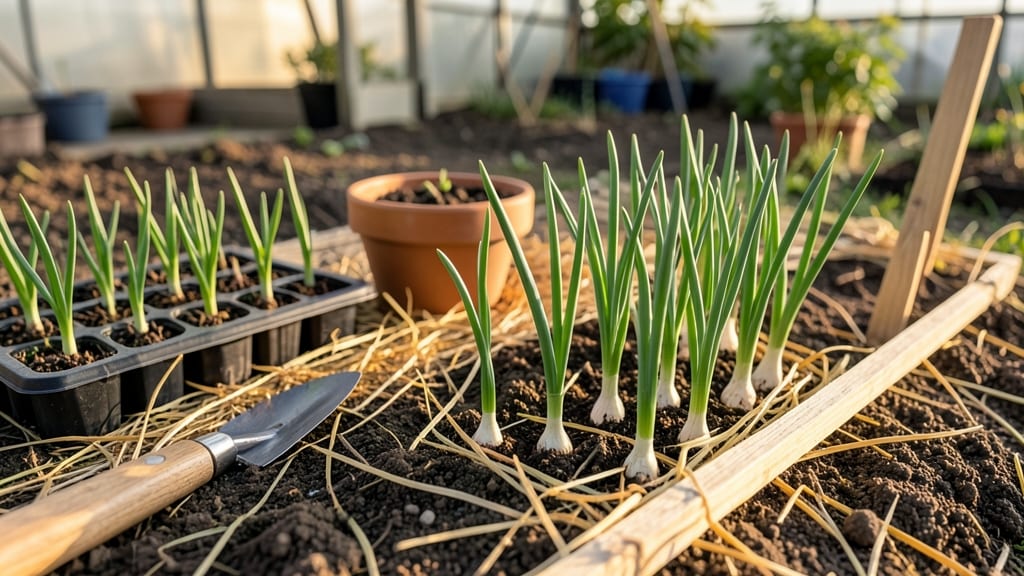
Planting your Fall Onion 🧅 at the wrong time in Zone 7 could leave you with puny bulbs—or worse, no harvest at all.
The key to sweet, plump onions lies in that narrow window between late summer and early fall, when days grow shorter but soil stays warm enough for roots to establish.
If you’ve ever wondered why some gardeners pull flavorful, storage-worthy onions while others struggle with bitter, undersized ones, timing is the game-changer.
In Zone 7, where the first frost typically hits around November 15, you’ve got just 8-12 weeks to get it right—and I’ll show you exactly when to plant for perfect bulbs.
We’ll break down the science behind frost dates, soil prep, and variety-specific tips so you can avoid common mistakes that ruin harvests. Whether you’re a first-time gardener or a seasoned pro, these steps will help you grow onions that store well into spring.
Ready to transform your garden? Let’s dive into the precise schedule that’ll have your Fall Onions thriving—even in Zone 7’s unpredictable climate.
Optimal planting weeks before frost for fall onions in Zone 7
In Zone 7, where the first frost typically arrives around November 15, timing your fall onion planting is all about working backward from that date.
For bulbs to mature properly, you’ll need to plant 8-12 weeks before frost, giving them enough time to develop before winter slows growth. This window usually falls between mid-August and early September, depending on your exact frost date.
Why this timing? Onions are short-day plants, meaning they bulb when daylight shortens. In Zone 7, planting too early (like in July) can result in bolting (flowering) or small, pungent bulbs, while planting too late (after September) risks immature onions before frost.
The ideal soil temperature for planting should be 50-65°F—cool enough to prevent bolting but warm enough for root establishment.
The USDA Zone 7 frost-free season spans about 165 days, but onions only need 90-120 days to mature. This means you’re not aiming for a full-season crop but a short-term bulb that stores well.
Varieties like ‘Red Baron’ or ‘Yellowstone’ are excellent choices for fall planting in this zone because they’re bred for cooler conditions.
To calculate your exact planting window, check your local average first frost date (use the National Weather Service or Old Farmer’s Almanac for precise data). Subtract 10-12 weeks from that date to land on your planting deadline.
For example, if frost hits November 1 in your area, aim to plant by early September.
Here’s the golden rule: Plant 4-6 weeks before your first expected frost for bulbs to form before winter. This ensures roots establish but tops don’t freeze before bulbs mature.
If you’re unsure about your frost date, err on the later side—onions can tolerate light frosts once bulbs form, but they won’t recover if tops freeze before bulbing.
| Stage | Action | Zone 7 Timeline |
|---|---|---|
| Soil Prep | Test pH (6.0-7.0), amend with compost | Mid-July to early August |
| Plant Sets/Seeds | Direct sow or transplant 1" deep, 4-6" apart | Mid-August to early September |
| Fertilize | Apply balanced 10-10-10 fertilizer | 4-6 weeks after planting |
| Mulch | Add 2-3" straw to insulate roots | Late September |
| Harvest | Pull when tops yellow and flop | October to November (before hard frost) |
One common misconception is that you can plant onions anytime in fall. However, the critical window is narrow because onions need warm soil and cool air to bulb properly.
If you plant too early (e.g., July), the long summer days can trigger bolting, turning your onions into seed stalks instead of bulbs. Conversely, planting in October risks immature onions that won’t store well.
For maximum bulb size, focus on short-day varieties like ‘Stuttgarter’ or ‘Walla Walla’, which are bred to respond to shorter daylight. These varieties will produce larger, sweeter bulbs compared to long-day types. If you’re using seedlings (sets), choose ones labeled for fall planting—they’re hardened against cooler temperatures.
Pro tip: If your Zone 7 area has unpredictable frost dates, consider planting a successive crop. Sow a small batch in late August and another in early September to stagger harvests.
This way, even if one batch misses the frost window, the other will still yield bulbs. Just be sure to harvest before hard frost—onions can’t survive freezing temperatures once tops die back.
Finally, don’t overlook soil temperature. Use a soil thermometer to confirm it’s above 50°F before planting. Cool soil slows germination, leading to patchy growth. If your soil is too cold, wait a few days or use black plastic mulch to warm it up faster.
With the right timing and soil conditions, your Zone 7 fall onions will be plump, flavorful, and ready for storage by winter.
Optimal planting weeks before frost for fall onions in Zone 7
In Zone 7, your fall onion success hinges on planting 8-12 weeks before the first frost—typically between mid-July and early September. This window ensures bulbs mature before winter sets in, giving you plump, flavorful harvests.
The exact timing depends on your local frost date and whether you’re growing short-day varieties (like 'Yellow Sweet Spanish') or intermediate-day types (like 'Red Baron').
For most Zone 7 gardeners, aiming for 4-6 weeks before frost (around late August) is ideal. This gives roots enough time to establish while allowing tops to grow before days shorten.
Check your USDA frost map—if your first frost is November 15, count backward to pinpoint your perfect planting window.
Soil temperature is another critical factor. Fall onions thrive when soil stays above 50°F (10°C). In Zone 7, this usually means planting after mid-July heatwaves subside. Use a soil thermometer to confirm—cool soil slows growth, leading to smaller bulbs.
🌱 Fall Onion Planting Timeline for Zone 7
| Stage | Action | Weeks Before Frost |
|---|---|---|
| Soil Prep | Test pH (6.0-7.0), add compost | 12+ |
| Plant Sets/Seeds | Direct sow or transplant | 8-10 |
| Fertilize | Apply 10-10-10 balanced fertilizer | 6-8 |
| Mulch | Add straw to retain warmth | 4-6 |
| Harvest | Pull when tops yellow | 0-2 |
Short-day varieties like 'Texas Early White' need 10-12 hours of daylight to bulb, so plant them earlier (mid-July) in Zone 7. Intermediate-day types (e.g., 'Candy') can go in late August and still form bulbs before frost. Always check seed packets—some labels specify "fall planting" windows.
Pro tip: If your Zone 7 area has unpredictable frosts, err on the earlier side (mid-July). Smaller bulbs can still be harvested as green onions, while larger ones will store better through winter. Just avoid planting after mid-September, or you’ll risk bolting (flowering) before bulbing.
Remember, soil health matters just as much as timing. Amend your beds with compost or aged manure before planting to ensure nutrients are available when roots need them most. A well-prepped bed = bigger, sweeter onions come harvest time.