
Vegetables
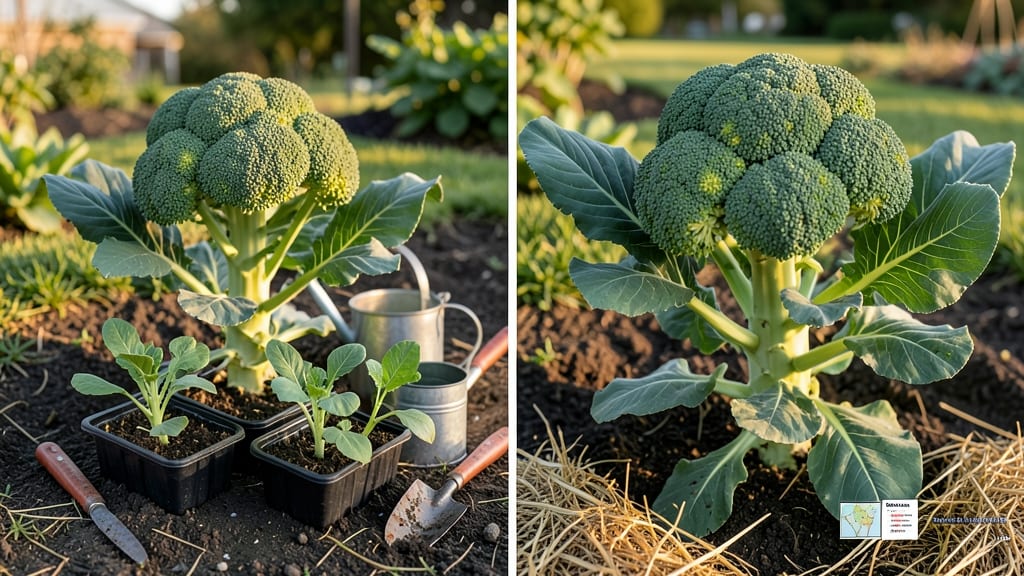
Planting fall vegetables in Ohio at the wrong time can mean the difference between a thriving harvest and wasted effort—especially when frost sneaks in earlier than expected. With USDA Zone 6a conditions, timing is everything to ensure your 🥬 greens, roots, and brassicas mature before winter sets in.
Most gardeners in Ohio know the struggle: rush the planting, and frost ruins your crops; wait too long, and your growing season shrinks. The key is starting 4-6 weeks before the first frost, typically between mid-August and early September, when soil temperatures stay warm enough for seeds to germinate.
In this guide, I’ll break down the exact planting windows for Ohio’s most popular fall crops—like kale, carrots, and broccoli—so you can avoid common mistakes and extend your harvest well into December. Whether you’re a beginner or a seasoned gardener, these tips will help you beat the clock.
Ready to turn your backyard into a fall produce powerhouse? Let’s dive into the county-specific dates and pro strategies that’ll keep your garden thriving until the first snowflakes.
Ohio’s fall planting zones: exact dates by county for frost-free success
Ohio’s diverse climate—spanning USDA Zones 5a to 6b—means frost dates vary wildly from northern to southern counties. In Zone 5a (e.g., Ashtabula, Trumbull), the first frost typically arrives by October 10-15, while Zone 6b (e.g., Hamilton, Clermont) often holds off until October 25-30.
To maximize your harvest, plant cool-season crops 4-6 weeks before these dates.
For example, in Cuyahoga County (Zone 6a), the average first frost is October 18, so aim to sow seeds by September 1-15. In Lucas County (Zone 6b), you’ve got a few extra days—plant through September 20.
Use these county-specific windows to avoid the heartbreak of early frost damage.
🌱 Pro Tip: Check the Ohio Agricultural Research and Development Center’s frost maps for your exact county. Their data accounts for microclimates that can delay frost by 1-2 weeks in sheltered areas.
🌡️ Ohio Fall Planting Zones & Frost Dates
| Zone | County Examples | First Frost | Planting Window |
|---|---|---|---|
| 5a | Ashtabula, Trumbull | Oct 10-15 | Aug 25 - Sep 10 |
| 5b | Geauga, Portage | Oct 15-20 | Aug 30 - Sep 15 |
| 6a | Cuyahoga, Franklin | Oct 18-25 | Sep 1 - Sep 20 |
| 6b | Hamilton, Clermont | Oct 25-30 | Sep 5 - Sep 25 |
📌 Note: Adjust for microclimates (e.g., urban heat islands may delay frost by 3-5 days).
If you’re planting transplants (like broccoli or cabbage starts), you can push the timeline slightly later—3-4 weeks before frost. For example, in Franklin County (Zone 6a), that means September 15-25.
But for direct-sown seeds (carrots, radishes, lettuce), stick to the earlier window to ensure germination before soil cools.
🌿 Key Crops for Ohio’s Fall: Prioritize cool-season vegetables like kale, spinach, carrots, and Brussels sprouts. These thrive in 50-60°F soil and can tolerate light frosts, which actually sweeten their flavor. Avoid heat-loving crops like tomatoes or peppers—they’ll bolt or rot in Ohio’s fall chill.
For northern Ohio (Zones 5a-5b), focus on fast-maturing varieties (e.g., ‘Early Wonder’ peas or ‘Winterbor’ kale) to harvest before hard frosts. In southern Ohio (Zone 6b), you can extend the season with row covers or cold frames, protecting crops like leafy greens until December.
🔍 Local Resource: The Ohio State University Extension offers free frost date calculators for your specific ZIP code. Plug in your location to get hyper-local advice—because even 5 miles apart can mean a 1-week difference in frost timing.
Don’t let Ohio’s unpredictable fall weather derail your garden. By aligning your planting with these county-specific frost dates, you’ll enjoy a bountiful harvest of homegrown veggies—long after your neighbors’ gardens have gone dormant. Next, let’s dive into the best fall vegetables for Ohio and their exact planting schedules.
Best fall vegetables to plant in Ohio and their ideal planting timelines
Ohio’s cool-season crops thrive when planted at the right time—typically between mid-August and early September. This window ensures your vegetables mature before the first frost, usually around October 20 in most of the state.
Fast-growing varieties like radishes and lettuce can even be sown as late as early October for a quick harvest.
For slow-to-mature crops like broccoli or Brussels sprouts, start seeds indoors in early August and transplant seedlings outdoors by late August. This gives them enough time to establish roots and grow before winter sets in.
The key is balancing planting dates with maturity timelines—most fall vegetables need 45-90 days to harvest.
Here’s a breakdown of the top fall vegetables for Ohio gardens, their ideal planting windows, and how to maximize your harvest:
Maturity: 30-50 days
Pro Tip: Use row covers to extend harvest into December.
Maturity: 30-70 days
Pro Tip: Loosen clay soil to prevent forked roots.
Maturity: 60-90 days
Pro Tip: Choose cold-hardy varieties like 'Winterbor' kale.
Maturity: 50-60 days
Pro Tip: Use trellises to save space and improve airflow.
Maturity: 60-80 days
Pro Tip: Harvest before ground freezes for best flavor.
Succession planting is your secret weapon in Ohio’s short fall season. For example, sow radishes every 2 weeks from mid-August to early October for a continuous harvest. Similarly, lettuce and spinach can be direct-seeded every 10-14 days until mid-September to keep your kitchen stocked with fresh greens.
Don’t forget to protect your crops as temperatures drop. Use row covers or cold frames to shield delicate plants like lettuce and spinach from light frosts (28-32°F).
For hardier crops like kale and carrots, a thick layer of mulch (straw or leaves) can insulate roots and keep them edible well into winter.
With these timelines and a little planning, you’ll turn Ohio’s fall garden into a bounty of crisp, flavorful vegetables—just in time for holiday meals! 🌱