
Flowers
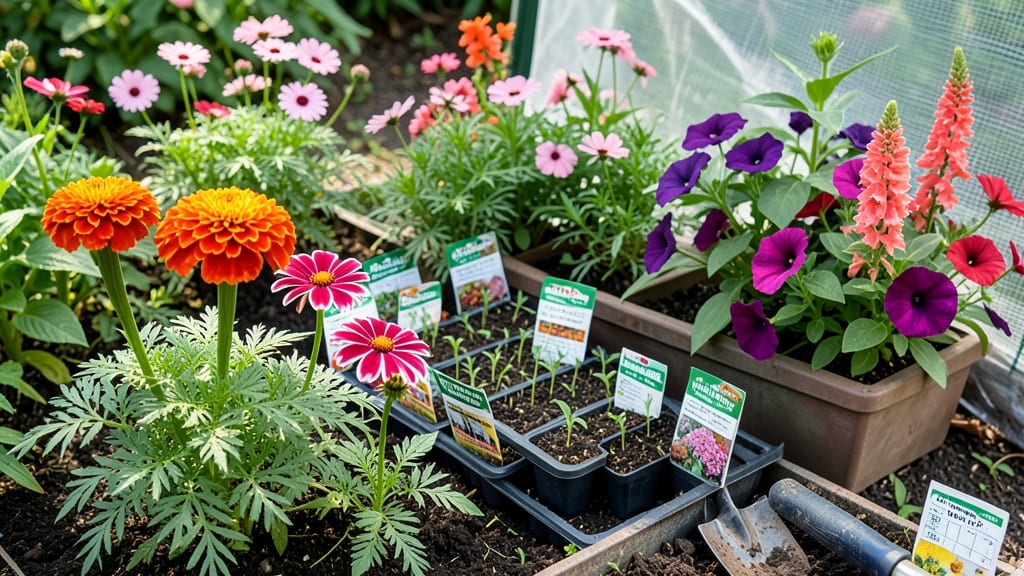
Planting your 🌸 flower seeds at the wrong time in Missouri can mean the difference between a vibrant garden and a sad, wilted disappointment.
The key isn't just avoiding frost—it's knowing exactly when to start seeds indoors or sow them directly into your Zone 5b/6b soil for maximum blooms before summer heat takes over.
Most gardeners in Missouri wait until after the last frost (around April 15), but the real secret is working backward from your first frost date.
Whether you're growing hardy coneflowers or delicate zinnias, timing your flower seeds right ensures they get a head start before the competition from weeds and pests kicks in.
I’ll break down the exact planting windows—from cool-season favorites in March to heat-loving annuals in May—so you can skip the guesswork. Plus, I’ll share how to adjust for Missouri’s microclimates, whether you’re in St. Louis or Kansas City, so your garden thrives no matter where you live.
Ready to turn your garden into a nonstop showstopper? Let’s dive into the best times to plant and keep those 🌸 flower seeds blooming all season long.
Missouri flower seed planting calendar: exact start dates by month for zones 5b/6a
Missouri gardeners know that timing is everything when planting flower seeds. With Zone 5b/6a frost dates typically ranging from April 15 to May 1, you’ll want to start seeds indoors or direct-sow outdoors during precise windows.
Missing these dates can mean flowers struggling to establish before summer heat arrives—or worse, getting fried by late-spring frosts.
For annual flowers like zinnias and cosmos, the indoor start window opens in early March (6-8 weeks before last frost). Direct-sowing outdoors begins in late April, once soil temperatures hit 50°F (10°C).
Perennials like black-eyed Susans and coneflowers can handle cooler soil, so you can plant them as early as mid-March outdoors if you’re brave!
Here’s your month-by-month planting guide, including frost-tolerant varieties and deadlines to avoid summer heat stress:
| Month | Indoor Start (Weeks Before Last Frost) | Outdoor Direct Sow | Best Flowers to Plant | Soil Temp Requirement |
|---|---|---|---|---|
| February | 6-8 weeks before last frost (for tender annuals) | ❌ Not recommended | Snapdragons, Sweet Alyssum, Petunias | Indoor: 65-70°F |
| March | 4-6 weeks before last frost | Mid-March (for frost-tolerant perennials) | Coneflowers, Black-Eyed Susans, Lupines | Outdoor: 40-50°F |
| April | 2-4 weeks before last frost | Late April (after last frost) | Zinnias, Cosmos, Marigolds, Sunflowers | 50-60°F |
| May | ❌ Too late for indoor starts | Early May (heat-tolerant annuals) | Portulaca, Lantana, Vinca | 60°F+ |
| August | ❌ Focus on fall direct sow | Late August (cool-season flowers) | Pansies, Snapdragons, Sweet Peas | 50-60°F |
| September | ❌ Too late for most seeds | Early September (fast growers only) | Alyssum, Calendula, Stock | 55°F+ |
Pro tip: Use row covers or a cold frame to extend your outdoor planting by 2-3 weeks in early spring. This lets you sow cool-season flowers like lupines or foxgloves as early as February if you’re willing to risk a light frost.
For heat-sensitive annuals like petunias or geraniums, wait until after May 15 to avoid wilting. These varieties need consistent moisture and struggle when daytime temps exceed 85°F.
If you’re in southern Missouri (Zone 6a), you can push dates back by 1-2 weeks compared to northern areas like St. Louis (Zone 5b).
Always check your local frost dates—tools like the Missouri Botanical Garden’s frost calendar or Almanac.com provide hyper-local data. A 5°F late frost can wipe out tender seedlings overnight, so don’t assume your neighbor’s timeline applies to you!
Finally, soil temperature matters more than air temperature. Use a soil thermometer to confirm 50°F (10°C) before planting seeds like basil or cosmos. Cold soil slows germination, leaving your flowers vulnerable to pests and diseases.
Missouri’s summer heat can be brutal, so aim to have most annuals established by June 1. This gives them time to root deeply before the dog days of July and August.
How to adjust planting dates for Missouri’s microclimates and frost risks
Missouri’s Zone 5b/6a climate isn’t one-size-fits-all—your neighbor’s garden success might not match yours if you’re just a few miles away. Microclimates, like urban heat islands or shaded valleys, can shift planting windows by 2-3 weeks.
For example, St. Louis’ downtown areas often experience earlier last frosts than rural areas in the Ozarks due to concrete absorbing heat.
To fine-tune your schedule, check your local historical frost dates. The National Weather Service provides 30-year averages, but I recommend tracking your own data for 3 years to spot patterns.
For instance, if your area’s last frost typically hits April 22 instead of April 15, adjust your direct-sown seeds accordingly.
Elevation also plays a role—higher areas like the Ozark Mountains can have 1-2 weeks later last frosts than flatter regions. If you’re unsure, err on the side of caution: start seeds indoors 6-8 weeks before your local last frost date for heat-loving annuals like marigolds or cosmos.
🌱 Pro Tip: Use row covers or cold frames to extend your early planting window by 2-4 weeks. These protective layers create a 5-10°F warmer microclimate, letting you sow cool-season flowers like pansies or snapdragons as early as mid-March in most of Missouri.
Late-Spring Surprises
Missouri’s unpredictable late-spring frosts (after April 15) can wipe out tender seedlings. If you’re planting direct-sown annuals like zinnias or sunflowers in May, have a backup plan—either use row covers or wait until mid-May when the risk drops below 10%.
For perennials like coneflowers or black-eyed Susans, which establish roots slowly, I recommend sowing seeds 4-6 weeks before your average last frost. This gives them time to develop strong root systems before summer heat arrives. In Missouri, that often means mid-to-late March for most regions.
If you’re in a shaded microclimate (e.g., under trees), avoid planting heat-sensitive flowers like geraniums or petunias until after May 15. These varieties need full sun to thrive, and delayed planting ensures they get enough light before summer’s intensity peaks.
Finally, don’t forget to monitor soil temperatures. Most flower seeds need soil to reach 50°F (10°C) to germinate. Use a soil thermometer—if it’s cooler, wait or use a heat mat for indoor starts.
In Missouri, soil warms up fastest in south-facing beds, so prioritize those spots for early plantings.