
Flowers
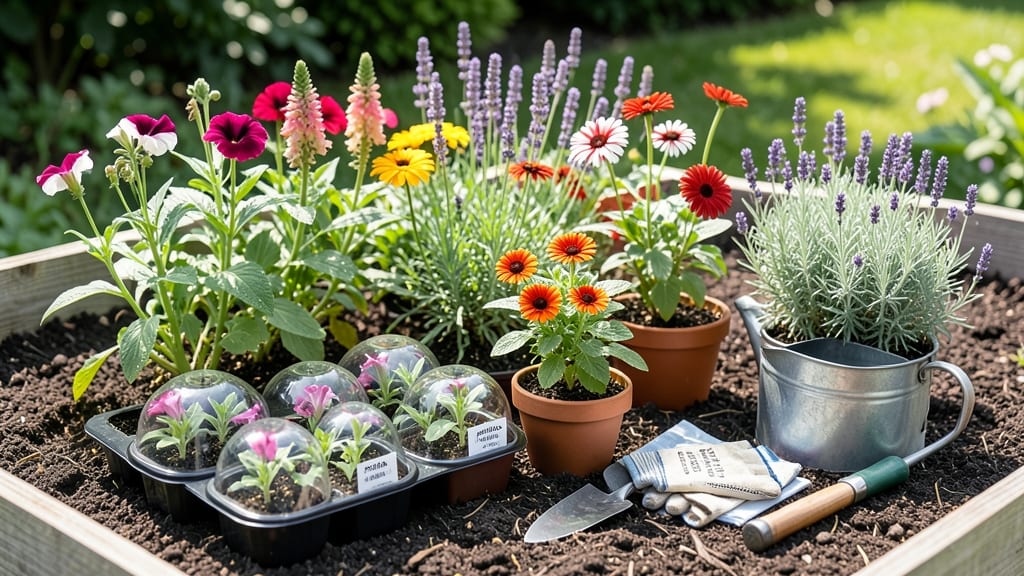
Timing your flower planting in Boise, Idaho wrong can mean the difference between a garden bursting with color and one that fizzles out before summer.
With Zone 6b winters that linger into April and hot, dry summers, getting those seeds and bulbs in the ground at just the right moment is everything.
Most gardeners know spring is the time to plant, but Boise’s unpredictable frost dates—like that last chill usually hitting around April 15—mean you can’t rush it.
I’ve learned the hard way that planting too early can leave delicate blooms crispy, while waiting too long might leave your garden looking sparse. The key is knowing when the soil warms up and the risk of frost has truly passed.
In this guide, I’ll break down the exact month-by-month schedule for annuals, perennials, and bulbs so you can time your planting like a pro.
Whether you’re dreaming of vibrant tulips in spring or sunflowers stretching toward the summer sky, these tips will help you avoid common mistakes and keep your garden thriving all season long.
From soil prep tricks to adjusting for Boise’s microclimates, you’ll discover how to give your 🌸 flowers the best possible start—so you can enjoy a showstopping garden from spring through fall without the guesswork. Let’s get those blooms growing!
Boise’s hardiness zones and exact flower planting dates by season
Boise sits in USDA Hardiness Zone 6b-7a, where last spring frost typically arrives around April 15 and first fall frost hits by October 15.
These dates create a 150-day growing season—perfect for annuals, perennials, and bulbs—but microclimates (urban heat islands vs. rural areas) can shift timing by 1-2 weeks. For example, downtown Boise may experience earlier soil warming than the foothills.
Annual flowers like petunias and marigolds thrive when planted after May 1, while cold-hardy perennials such as coneflowers and black-eyed Susans can go in as early as March 15.
Bulbs like tulips and daffodils should be planted in fall (October) for spring blooms, while gladiolus bulbs wait until late May to avoid frost damage.
Soil temperature is critical: most flowers need 50°F+ soil to germinate. Use a soil thermometer to confirm readiness—especially for heat-sensitive annuals like cosmos or zinnias. In Boise’s 3,500+ ft elevation, nights stay cool longer, so extend your season with row covers or container gardening for delicate varieties.
Here’s a seasonal planting breakdown tailored to Boise’s climate, including frost-free windows and microclimate adjustments:
| Season | Plant Type | Best Planting Window | Boise-Specific Tip |
|---|---|---|---|
| Early Spring | Perennials, Bulbs | March 15–April 15 | Wait for consistent 40°F nights; amend soil with compost. |
| Late Spring | Annuals, Heat-Lovers | May 1–May 15 | Use row covers for frost-prone varieties like pansies. |
| Summer | Drought-Tolerant Annuals | June 1–July 15 | Mulch heavily to retain moisture during 90°F+ days. |
| Fall | Bulbs, Fall-Blooming Perennials | September 1–October 15 | Plant tulips by October 1 for spring blooms. |
For urban gardeners, city heat can push planting dates 1-2 weeks earlier than rural areas. Test your microclimate by planting fast-germinating radishes in late March—if they thrive, your soil is ready for cool-season flowers like snapdragons or stock.
Perennials like lavender and Russian sage are drought-resistant and can handle Boise’s low summer humidity. Plant them in well-draining soil with gravel amendments to prevent root rot during July-August heatwaves. Avoid overwatering—these plants prefer dry spells once established.
Bulbs are a Boise gardener’s secret weapon. Daffodils and hyacinths planted in October will bloom by April-May, often before annuals even sprout. For late-summer color, try crocus or allium bulbs—they naturalize well in Boise’s alkaline soil.
Pro tip: Mark your last frost date on a calendar and count back 6 weeks for warm-season annuals. This ensures seeds have time to germinate before June heat sets in. For example, sunflowers sown by May 1 will bloom by July 4th—just in time for summer celebrations!
Container gardening extends Boise’s season by letting you move plants to sunny spots or sheltered areas during late frosts. Use black plastic pots to absorb heat and insulated grow bags for early spring starts.
Just remember: containers dry out faster in Boise’s windy summers, so water daily until roots establish.
Best flowers to plant in Boise by month: a month-by-month guide
Boise’s 150 frost-free days create a perfect window for planting 🌸 flowers that thrive in its Zone 6b-7a climate. The key is matching each month’s conditions—from cool springs to hot summers—with flowers that love Boise’s 3,500+ ft elevation and alkaline soil.
Here’s my month-by-month breakdown of the best blooms to plant, plus pro tips to keep them flourishing.
March is all about cool-season flowers like pansies and snapdragons, which handle Boise’s late frosts. These hardy annuals can even take light freezes, making them ideal for early planting. I always start by amending the soil with compost to improve drainage, since Boise’s clay-heavy soil can get compacted.
For perennials, this is the time to divide iris and peonies—they’ll reward you with bold blooms by summer.
April is your golden window for most annuals, but wait until after the average last frost (April 15) to plant heat-lovers like marigolds and zinnias. If you’re worried about lingering cold, opt for dwarf sunflowers, which tolerate cooler temps.
Pro tip: Use row covers for extra protection if nighttime temps dip below 40°F. For bulbs, plant tulips and daffodils in fall for spring blooms, but if you missed that, try caladiums in containers—they’ll thrive in Boise’s summer heat.
- Pansies: 40–50°F tolerance, 6–12" tall, blooms all spring
- Snapdragons: 35–80°F range, 12–36" tall, great for containers
- Sweet peas: Climbing vines, 50–75°F, needs trellis
- Iris/peony division: Early spring, full sun, 3–4 ft tall
- Marigolds: Deter pests, 12–24" tall, full sun
- Zinnias: Heat-tolerant, 1–4 ft tall, cut-and-come-again
- Dwarf sunflowers: 2–3 ft tall, 35–85°F range
- Caladiums: Shade-loving, 1–2 ft tall, containers ideal
- Sunflowers: 6–12 ft tall, plant after May 15, direct sun
- Lavender: Drought-resistant, 1–3 ft tall, well-draining soil
- Cosmos: Self-seeding, 2–4 ft tall, low water needs
- Black-eyed Susans: Perennial, 2–3 ft tall, full sun
- Portulaca (Moss Rose): Succulent-like, 4–6" tall, zero watering
- Salvia: Hummingbird magnet, 1–4 ft tall, drought-proof
- Gaillardia (Blanket Flower): Red/yellow blooms, 1–2 ft tall, full sun
- Sedum (Stonecrop): Succulent perennials, 6–12" tall, rock gardens
July and August are for heat-loving perennials like salvia and gaillardia, which thrive in Boise’s 90°F+ summers. These plants need well-draining soil, so I always mix in sand or perlite to prevent root rot.
For containers, choose portulaca or sedum—they’re nearly indestructible and love Boise’s dry heat. Mulch heavily to retain moisture, but avoid wetting leaves to prevent fungal diseases like powdery mildew.
September is your second chance for planting fall-blooming annuals like asters and chrysanthemums. These cool-season beauties will keep your garden vibrant until the first frost. For perennials, this is the time to plant coneflowers and black-eyed Susans, which establish roots before winter.
I also recommend sowing winter wheat or rye as a cover crop to protect soil from erosion and improve fertility for next spring.
Don’t overlook October planting! Hardy perennials like shasta daisies and catmint can still be installed, and spring-blooming bulbs (like tulips and daffodils) should be in the ground by mid-October.
Use a bulb planter to avoid damaging roots, and top with 3–4 inches of mulch to insulate them through winter. For containers, bring tender perennials like cannas indoors before the first frost (October 15), or dig up and store tubers in dry peat moss.
Timing your 🌸 flowers by month ensures your Boise garden stays colorful from spring through fall. Start with cool-season stars in March, transition to heat-lovers in July,