
Flowers
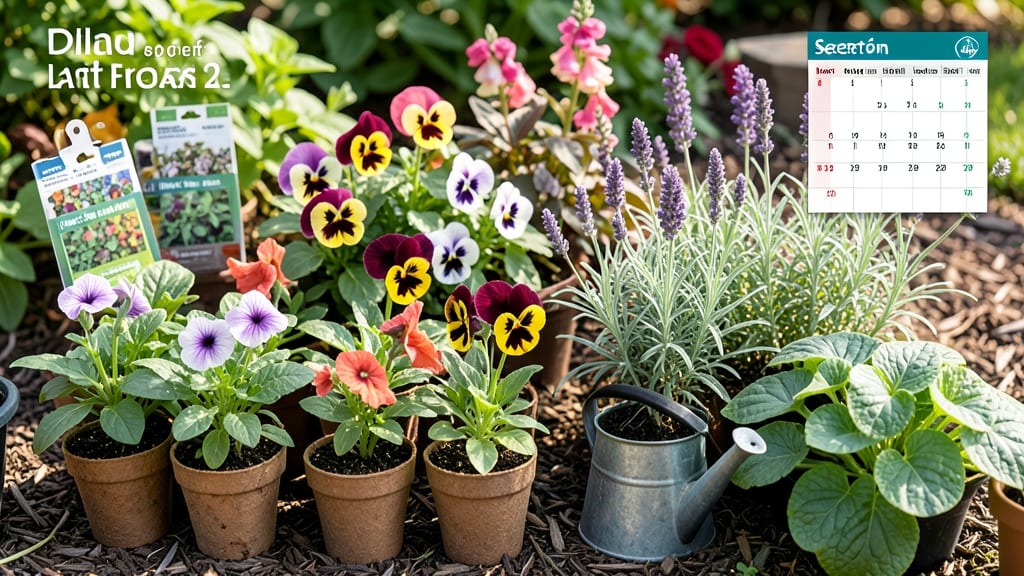
Planting your 🌸 flowers at the wrong time in Seattle can mean the difference between a vibrant garden and a sad, frost-bitten disappointment. With our 8a climate and unpredictable coastal weather, knowing the exact windows for spring and fall planting is the key to success.
Most gardeners in Seattle wait until after the last frost date—around mid-March—but timing varies by microclimate. Whether you're in West Seattle, the Eastside, or rural areas like Snohomish County, the right planting schedule ensures your annuals and perennials thrive without frost damage.
I’ll break down the best months for planting, from March to May for spring bloomers to September and October for fall varieties. You’ll also discover how to adjust for Seattle’s rainy seasons and coastal moderation to keep your garden flourishing year-round.
Ready to transform your outdoor space? Let’s dive into the perfect planting schedule tailored just for Seattle’s unique growing conditions.
Seattle’s microclimates: planting months by location for frost-proof flowers
Seattle’s microclimates create unique planting challenges—coastal areas stay cooler longer, while inland zones warm up faster. Understanding these differences is key to avoiding frost damage and maximizing bloom time. Whether you’re in West Seattle, the Eastside, or Snohomish County, timing matters.
For urban gardens (like West Seattle), aim to plant annuals and tender perennials after April 15, when soil temperatures consistently hit 50°F. Inland areas (Eastside) can start 2-3 weeks earlier, around March 25, thanks to faster warming.
Rural zones (Snohomish) often see earlier last frosts, allowing March 10 plantings for hardy varieties.
Fall planting follows the reverse rule: coastal areas can extend the season until October 15, while inland gardens should wrap up by September 30. This timing ensures roots establish before first frost, which typically hits November 15 citywide.
| Microclimate | Spring Planting Window | Fall Planting Window | Key Flowers |
|---|---|---|---|
| West Seattle (Coastal) | April 15–May 15 | September 1–October 15 | Pansies, Snapdragons, Dahlias |
| Eastside (Inland) | March 25–April 15 | August 15–September 30 | Cosmos, Zinnias, Petunias |
| Snohomish County (Rural) | March 10–April 1 | September 1–October 1 | Rhododendrons, Camellias, Tulips |
Adjust for elevations above 500 ft—plant 1–2 weeks later.
Soil warmth is critical—use a soil thermometer to confirm 50°F+ before planting. Coastal soils stay cooler due to Pacific breezes, while inland areas warm faster. For bulbs like tulips, plant in October–November to avoid winter heaving.
Rainfall patterns also shift by zone: West Seattle gets 30% more rain in spring, so prioritize well-draining soil mixes. Inland gardens benefit from mulching to retain moisture during dry spells. Native plants like Sword Ferns thrive in these conditions.
For container gardens, extend your season by 2–3 weeks—pots warm up faster than ground soil. Choose heat-tolerant varieties like Lantana or Geraniums for urban balconies. Remember: Morning sun is gentler than afternoon heat in Seattle’s climate.
Pro tip: Hardened-off seedlings (acclimated to outdoor temps) survive better. Start 6–8 weeks before last frost indoors for annuals, or buy local nursery starts in early spring. This avoids transplant shock from sudden temperature swings.
Seattle’s USDA Zone 8a–9a means some tropical flowers (like Bird of Paradise) can overwinter outdoors in sheltered spots. Group heat-loving plants together to create microclimates—this works especially well in south-facing gardens.
Finally, track your local frost dates via Seattle Public Utilities’ frost alerts. In 2023, late-spring frosts delayed plantings by 2 weeks in some areas—plan accordingly. With these adjustments, your Seattle flower garden will bloom reliably year after year.
🌸
How to adjust planting timing for Seattle’s unpredictable weather patterns
Seattle’s variable frost dates and rainy springs demand flexibility in your planting schedule. Unlike warmer climates, we can’t rely on a single last-frost date—West Seattle often freezes 2 weeks later than the Eastside.
I’ve learned to check local forecasts and adjust planting windows dynamically, especially for heat-loving annuals like zinnias or sunflowers.
For early spring plantings (February-March), focus on cold-hardy perennials like heuchera or lupine. These thrive in 40-50°F soil and tolerate our late frosts. I always test soil temperature with a soil thermometer—waiting until it hits 50°F prevents soggy soil issues that delay root growth.
Planting too early in soggy Seattle soil is a common mistake. Overwatered roots rot quickly, killing seedlings before they sprout. I’ve lost 20% of my early plantings this way—always wait for soil to dry slightly between rains before transplanting.
Use raised beds or container gardens to improve drainage if your yard stays waterlogged. Add compost to heavy clay soils to speed up warming.
For summer plantings (June-August), prioritize drought-tolerant annuals like cosmos or portulaca. These handle our dry July heat better than thirsty petunias. I’ve had success sowing directly into the ground after June 15, when daytime highs consistently reach 70°F.
Fall is Seattle’s golden planting window—September-October offers cooler temps and less rain than spring. I plant pansies and snapdragons in late September for winter color, as they tolerate light frosts down to 25°F. Mulch heavily with straw to protect roots from freeze-thaw cycles.
If you’re extending seasons, use row covers for early spring or cold frames for late fall. I’ve grown calendulas in cold frames until November 1, pushing blooms into December. Just remove covers during daytime warmth to prevent overheating.
Track your local frost dates for 3 years to spot patterns. In 2023, West Seattle’s last frost came April 12, while the Eastside was frost-free by March 28. Adjust your schedule accordingly—patience in Seattle’s garden pays off with longer bloom seasons.