
Trees
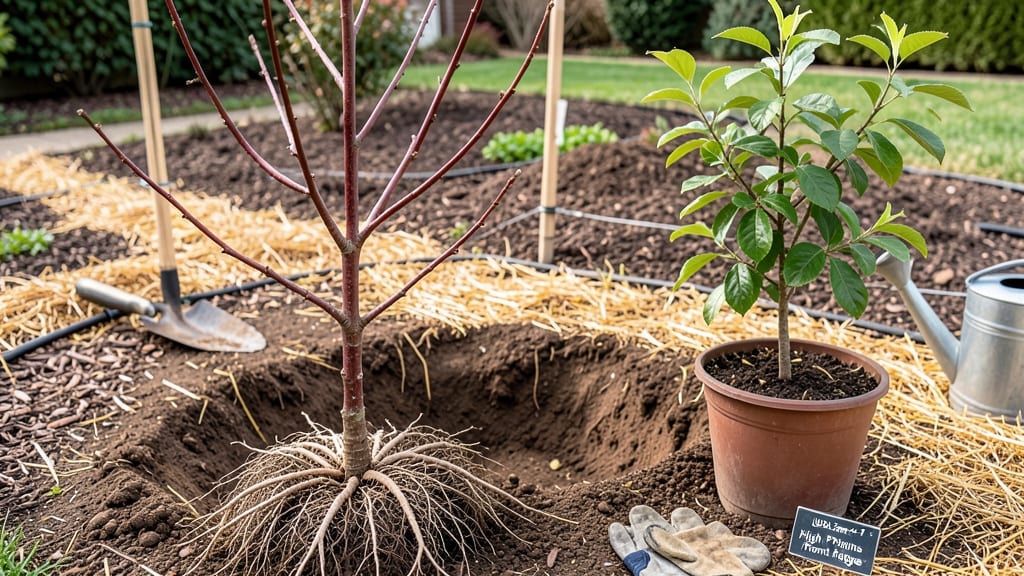
Timing your fruit tree planting in Colorado isn’t just about the calendar—it’s about matching your trees’ chill-hour needs to the right elevation zone, or you could end up with a tree that never bears fruit.
Whether you’re in Denver’s lowlands or the high-altitude mountains, getting this right is the difference between a thriving orchard and a wasted investment.
I’ve seen firsthand how a single misstep—planting too early or late—can leave fruit trees struggling against Colorado’s unpredictable frost cycles. The key lies in understanding your specific zone’s frost-free window and the unique dormancy requirements of varieties like apples, peaches, or cherries.
Let me walk you through the exact planting windows that work for your elevation, so you can set your trees up for success from day one.
From late winter’s bare-root planting to early spring’s container-grown options, we’ll cover when to dig in for each zone. You’ll also discover how to prep your soil, protect against late frosts, and choose varieties that match your microclimate. No more guesswork—just a step-by-step guide tailored to Colorado’s diverse growing conditions.
Ready to plant with confidence? By the end, you’ll know exactly when to plant for your elevation, how to avoid common pitfalls, and what post-planting care keeps your fruit trees thriving year after year. Let’s get started!
Colorado’s chill-hour zones: how cold requirements affect fruit tree planting
Colorado’s dramatic elevation shifts—from 5,280 feet in Denver to over 10,000 feet in the mountains—create wildly different growing conditions for fruit trees. The key to success? Understanding chill-hour requirements, which determine when trees break dormancy and bloom.
Most Colorado fruit trees need between 200-1,200 chill hours (temperatures between 32°F and 45°F) to produce fruit.
Apples and pears typically require 500-800 chill hours, while peaches and cherries thrive with 300-600 hours. High-elevation areas (like Aspen or Leadville) often exceed these needs, while lowland zones (like Colorado Springs) may fall short.
Matching your tree’s chill-hour needs to your location is critical—plant the wrong variety, and you’ll end up with poor pollination or no fruit.
Here’s how Colorado’s USDA Hardiness Zones 4-7 align with chill-hour needs:
| Zone/Elevation | Chill Hours | Best Varieties | Planting Window |
|---|---|---|---|
| Zone 4 (6,000-8,000 ft) | 800-1,200+ | Apples (Fuji, Honeycrisp), Pears (Bartlett) | Late April-May |
| Zone 5 (5,000-6,000 ft) | 500-800 | Peaches (Redhaven), Cherries (Montmorency) | March-April |
| Zone 6-7 (3,000-5,000 ft) | 200-500 | Plums (Santa Rosa), Apricots (Blanquette) | February-March |
For example, Denver (Zone 5) is perfect for peaches but may struggle with high-chill apples unless you choose varieties like ‘Liberty’ or ‘Enterprise’, bred for lower chill-hour regions. Meanwhile, Steamboat Springs (Zone 4) can handle ‘Honeycrisp apples with ease due to its colder winters.
Dormancy cycles also vary by elevation. Trees in higher zones may need to wait until late April or May to plant, while lowland areas can start as early as February or March.
The goal is to plant when the soil is workable but not yet warm—typically 2-4 weeks before your last frost date.
Pro tip: Use a chill-hour calculator (like the one from Colorado State University Extension) to input your exact location. This tool will tell you which varieties are best suited for your microclimate, saving you from costly mistakes.
For instance, Fort Collins’ Lory State Park (Zone 5) has recorded 650 chill hours, ideal for ‘Elberta peaches’ but too low for ‘Granny Smith apples’.
Don’t overlook microclimates—a south-facing slope in Boulder might be 2-3°F warmer than a north-facing yard, affecting chill accumulation. If you’re unsure, start with dwarf or semi-dwarf trees—they’re easier to move if your site isn’t perfect.
Finally, remember that late frosts (common in April-May) can damage blossoms. Plant late-blooming varieties like ‘Zestar!’ apples or ‘GoldRush’ peaches, which are bred to resist frost damage. Pair this with a frost cloth for young trees during critical bloom periods.
With the right chill-hour match and planting timing, your Colorado fruit trees will thrive—producing abundant harvests for decades. 🌱
Best planting months for Colorado fruit trees by elevation and variety
Colorado’s elevation changes dramatically from the Front Range to the Rocky Mountains, which means your planting window shifts depending on where you live. In Denver (5,280 ft), you’ll aim for early spring, while Aspen (7,900 ft) gardeners need to wait until late spring to avoid frost damage.
Understanding these differences is key to success.
For lowland areas (3,500–5,500 ft), like Denver or Colorado Springs, the best time to plant is late February to early April. This window aligns with when soil thaws but before the last frost.
Meanwhile, mid-elevation zones (5,500–7,500 ft), such as Fort Collins or Boulder, should wait until mid-April to early May.
High-altitude regions (above 7,500 ft) have shorter growing seasons, so plant late May to early June to avoid late frosts. For example, apples and pears thrive in these cooler zones, while peaches and cherries need the warmer lowlands. Always check your last average frost date for your specific location.
- 📍 Lowland (3,500–5,500 ft): Late February–Early April (bare-root) or April–May (container-grown)
- 📍 Mid-Elevation (5,500–7,500 ft): Mid-April–Early May (bare-root) or May–June (container-grown)
- 📍 High-Altitude (7,500+ ft): Late May–Early June (container-grown only; avoid bare-root)
- 🌡️ Key Factor: Soil temperature should be 40°F+ for root growth
- ⏰ Pro Tip: Plant 2–3 weeks before your last frost date for best results
Bare-root trees are best planted in dormant season (late winter to early spring), while container-grown trees offer more flexibility and can be planted throughout the growing season.
For example, a container-grown apple tree can go in the ground as late as June in Denver, but high-altitude areas like Leadville (10,000 ft) should avoid planting after mid-June.
If you’re planting stone fruits like peaches or plums, stick to the early spring window—they need consistent warmth to establish roots. Pome fruits (apples, pears) are more forgiving and can handle slightly later planting.
Always choose varieties bred for your chill-hour zone (e.g., ‘Honeycrisp’ apples for lowlands, ‘Bartlett’ pears for mid-elevation).
After planting, prioritize deep watering (1–2 inches per week) and mulching (3–4 inches of organic mulch) to retain moisture and regulate soil temperature. In high-altitude zones, wind protection is critical—use burlap windbreaks or plant near fences to shield young trees from drying winds.
With the right timing and care, your Colorado fruit trees will establish strong roots and reward you with abundant harvests for decades. Start with the right planting window for your elevation, and your orchard will thrive! 🌳