
Trees
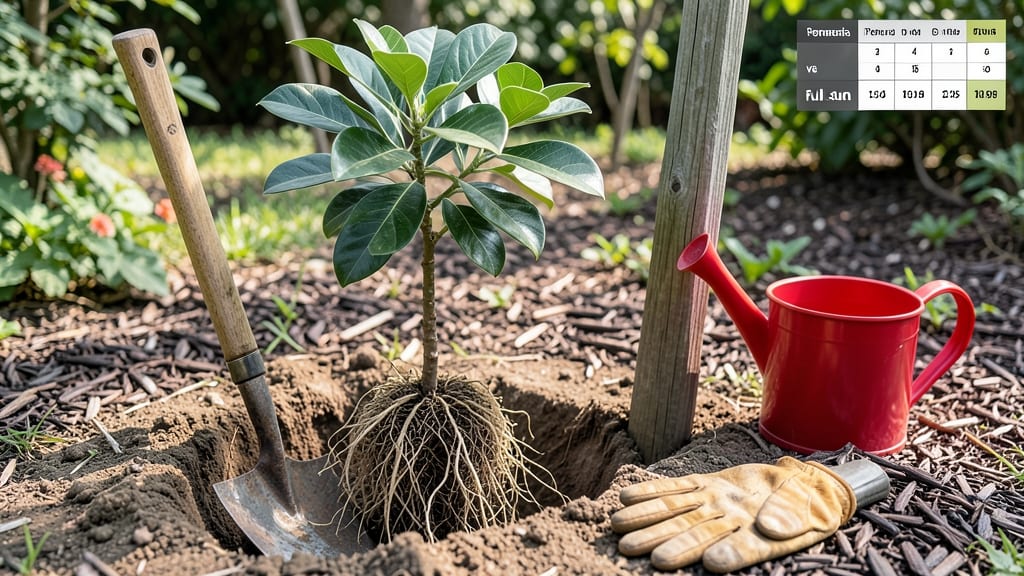
Timing your fruit tree 🍎 planting in California isn’t just about picking a month—it’s about dodging frost zones, microclimates, and the kind of tree you’re growing. Plant too early in the Central Valley, and a late frost could wipe out your saplings before they take root.
But get it right, and you’ll set your orchard up for years of harvests with minimal stress.
Most California gardeners know the general rule: late fall to early spring is ideal for bare-root trees, while container-grown varieties offer more flexibility. Yet what works for a citrus grove in Zone 10 won’t cut it for stone fruits in the cooler coastal regions of Zone 8-9.
The key? Understanding your local frost dates and adjusting your schedule accordingly—because a single wrong move can mean the difference between a thriving tree and a sad, frost-nipped stump.
In this guide, I’ll break down the exact planting windows for your region, whether you’re in the foggy coast, the baking Central Valley, or the frost-free desert.
You’ll learn how to choose the right time for your specific fruit tree—citrus, stone fruits, or nuts—and avoid the three biggest mistakes California gardeners make when planting. Let’s get those roots in the ground the smart way.
Ready to plant with confidence? We’ll cover soil prep, watering tricks, and post-planting care tailored to California’s wild climate swings. No more guessing—just proven strategies to help your fruit trees grow strong, no matter where you live in the Golden State.
California’s best fruit tree planting months by region (avoid frost zones)
California’s diverse microclimates mean the perfect planting window for fruit trees varies dramatically. In Northern California (e.g., San Francisco), where frost risks linger until March 15, planting in November or December gives roots time to establish before spring.
Meanwhile, Southern California (e.g., Los Angeles) enjoys frost-free winters, allowing year-round planting—but late fall (October-November) is ideal for bare-root trees.
The Central Valley, home to almond and walnut orchards, faces late spring frosts (often April 1-15), so January-February planting is critical. Desert regions (e.g., Palm Springs) can plant anytime, but cool-season varieties like apples thrive when planted in winter to avoid summer heat stress.
🌱
| Region | Best Planting Window | Frost Risk | Key Varieties |
|---|---|---|---|
| Northern California (Zone 8-9) | November 1 - January 31 | High (Dec-Feb) | Apple, Pear, Plum, Cherry |
| Central Valley (Zone 9-10) | January 15 - March 15 | Moderate (late spring) | Almond, Walnut, Peach, Fig |
| Southern California (Zone 10-11) | Year-round (best: Oct-Nov) | Low (rare) | Citrus, Avocado, Pomegranate, Olive |
| Desert (Zone 11) | Fall-Winter (Oct-Feb) | None | Date Palm, Fig, Pomegranate |
For bare-root trees, the dormant season (November-February) is critical—they establish roots faster without competing with foliage. Container-grown trees, however, can be planted year-round in frost-free zones (e.g., Zone 10+) but still benefit from cool-season planting to reduce transplant shock.
In coastal areas, where humidity and mild winters prevail, February-March planting works well for stone fruits like peaches and plums. Avoid planting in summer—California’s intense heat can stress young trees, even in desert regions.
Pro tip: Check your local frost dates via the USDA Plant Hardiness Zone Map or California Climate Zones (e.g., Zone 8 areas like Sacramento have later frosts than Zone 9 San Diego). Planting 4-6 weeks before your average last frost gives roots a safety net.
🌿
If you’re in a transition zone (e.g., Santa Barbara or San Jose), err on the side of earlier planting (November-December). These areas experience unpredictable late frosts, and young fruit trees are especially vulnerable to flower damage if planted too late.
For citrus trees, which thrive in Zone 9-11, fall planting (October-November) aligns with natural rainfall patterns in many regions. Avocados, another Southern California staple, prefer winter planting (December-February) to avoid summer stress.
💧
Remember: Soil temperature matters just as much as air temperature. Aim for soil temps above 40°F (4°C)—use a soil thermometer to check. Cooler soils slow root growth, while warmer soils (60°F+) can encourage premature sprouting, weakening the tree.
Finally, mulch heavily after planting to retain moisture and regulate soil temperature. In dry inland areas, a 4-inch
How to choose the perfect planting window for your fruit tree variety
Not all fruit trees thrive when planted at the same time in California. Citrus trees in frost-free Zone 10 can go in year-round, while stone fruits like peaches in Zone 8 need to be planted in late winter to avoid spring frosts.
Understanding your tree’s dormancy period and regional frost risks is key to success. For example, almonds and walnuts should be planted in late fall or early winter, while apples and pears prefer late winter or early spring for optimal root establishment.
Container-grown fruit trees offer the most flexibility, allowing you to plant almost any month in mild climates. But for bare-root trees, timing is critical—they must be planted while dormant to minimize transplant shock.
In Southern California, where frost is rare, you can plant citrus or avocado trees even in summer, though they’ll need extra care during heatwaves. Meanwhile, in Northern California’s cooler zones, stick to November through March to align with natural dormancy cycles.
Here’s a quick guide to match your fruit tree variety with the best planting window for your region:
For everbearing citrus varieties, like Meyer lemons, you can plant container-grown trees almost any time in frost-free zones.
But if you’re in Zone 9 where light frosts occasionally occur, hold off until late fall to give roots time to establish before winter. Dormant bare-root trees, on the other hand, must be planted in their dormant season—typically late fall or winter—to prevent shock when they start growing.
Think of it like tucking them in for a long winter’s nap before they wake up hungry for spring growth.
One pro tip: If you’re planting in hot inland areas, like the Central Valley, avoid planting in peak summer. The heat can stress young trees, even if they’re container-grown. Instead, opt for early fall or late winter when temperatures are cooler.
And always water deeply after planting—this helps roots establish quickly, especially in California’s dry soil. A good rule of thumb is to water enough so the soil is moist 12 inches deep within the first few weeks.
Finally, don’t overlook rootstock compatibility with your local climate. For example, dwarf citrus rootstocks thrive in containers, while standard walnut trees need deep, well-drained soil. Matching your tree to the right rootstock and planting window sets the stage for years of fruitful harvests—no guesswork required.