
Plants
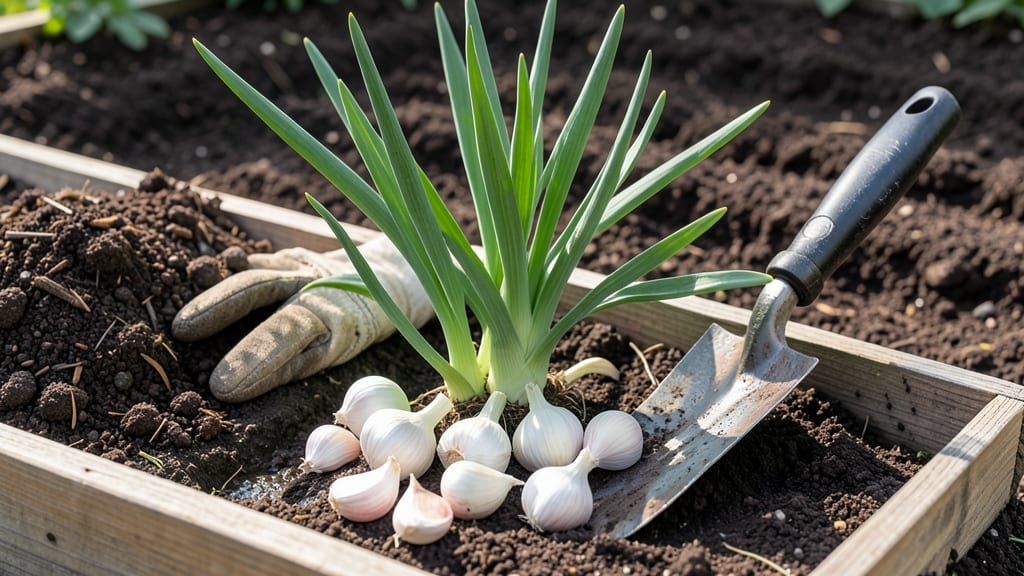
Planting garlic in Connecticut at the wrong time means the difference between plump, flavorful bulbs and sad, stunted harvests. The perfect window opens in fall—October to November—when soil temps dip and frost looms, signaling it’s time for 🧄 cloves to settle in for winter.
Most gardeners here focus on hardneck varieties, which thrive in Connecticut’s Zone 6a climate, but softneck types also work if planted just a little earlier. The key? Getting cloves in the ground 4-6 weeks before the first hard frost—usually by mid-October—so they establish roots before winter sets in.
Why does timing matter so much? Garlic needs cold stratification to develop properly, and Connecticut’s short growing season demands precision. Plant too late, and you’ll miss the sweet spot for bulb formation; too early, and cloves might rot before winter.
I’ll show you exactly how to nail those frost-dependent windows for both hardneck and softneck varieties.
From soil prep to variety selection, this guide cuts through the guesswork so you can grow bold, healthy garlic—ready for harvest by late June or July. Let’s get those cloves in the ground the right way.
Optimal planting windows for Connecticut garlic: hardneck vs softneck breakdown
Connecticut’s USDA Zones 5-6 create a perfect climate for growing garlic, but timing is everything. The cold winter months are actually what trigger bulb formation, so planting too early or late can ruin your harvest.
For hardneck garlic (the preferred choice for Connecticut), aim for October through early November—this gives the cloves time to establish roots before the ground freezes.
Meanwhile, softneck garlic is more flexible and can be planted slightly earlier, from late September through October. The key is to plant 4-6 weeks before the ground freezes—typically around mid-October for most of Connecticut, but check your local last frost date for adjustments.
In coastal areas like New London or Groton, you might push planting to early November, while inland areas like Hartford or Litchfield should plant closer to late October.
Soil temperature is another critical factor. Garlic cloves need soil temps between 40°F and 50°F to sprout successfully. In Connecticut, this usually aligns with late October to early November, but if you’re in a warmer microclimate, soil may stay too warm for longer. Always check with a soil thermometer or use the back of your hand—if it feels cool but not freezing, it’s time to plant.
Here’s a quick rule of thumb: Plant hardneck garlic by Halloween (or within a week after) to ensure it develops strong roots before winter. Softneck varieties can handle a slightly earlier start, but don’t push it past mid-November, or the cloves may rot before spring.
Connecticut’s first hard frost typically hits in mid-October, so use this as your outer deadline.
One pro tip: Moon phases can influence garlic growth. Planting during the waning moon (when the moon is shrinking) is believed to encourage stronger root development.
For Connecticut gardeners, this usually falls around October 15-20, but don’t stress—garlic is forgiving if you’re within a 2-week window of the ideal date.
If you’re unsure about your exact last frost date, consult the UConn Home & Garden Education Center or use the Old Farmer’s Almanac. These resources provide hyper-localized frost data that can help you fine-tune your planting schedule.
For example, northern Connecticut (Zone 5) may need to plant garlic 2 weeks earlier than southern Connecticut (Zone 6).
Now, let’s break down the exact planting windows for hardneck vs. softneck garlic in Connecticut, including soil prep tips and regional adjustments.