
Plants
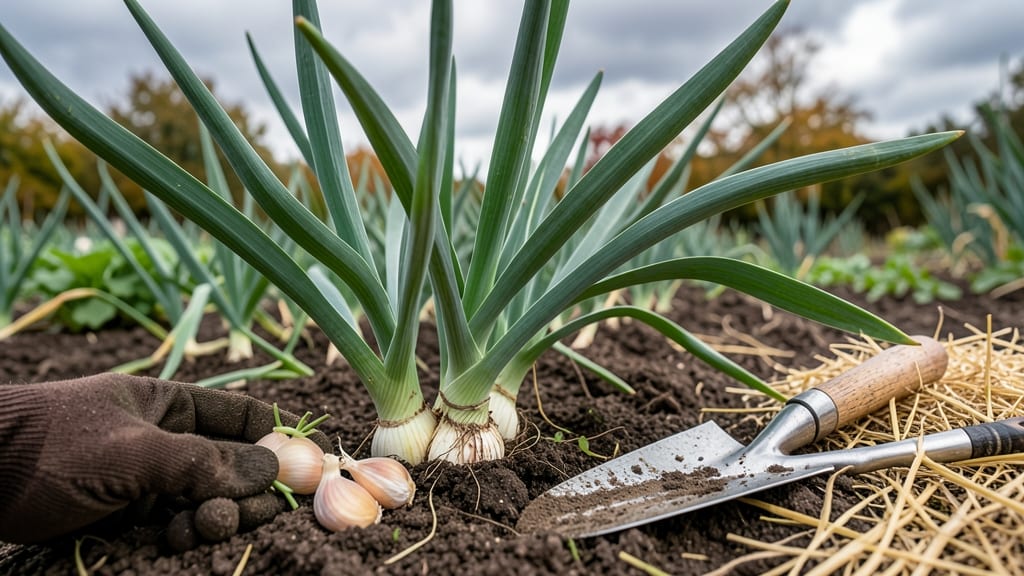
To plant garlic in Zone 9 and get those bold, flavorful bulbs you crave, timing is everything—and fall is your golden window. Unlike cooler climates, Zone 9's warm winters mean you can't wait until spring; planting too late risks weak growth before summer heat arrives.
The key? Getting those 🧄 cloves into the ground between October and December, when soil temps drop just enough to trigger root development.
Why does this matter? In Phoenix or the Southern California desert, garlic planted outside this window often struggles—either bolting too early or failing to mature before the heat peaks.
But when you nail the 6-week fall window, your garlic establishes strong roots before dormancy, setting the stage for a bigger, healthier harvest next spring.
I’ve grown garlic in Zone 9 for years, and the difference between a mediocre crop and a bountiful one comes down to two things: soil prep and planting timing.
Skip the guesswork—let’s break down exactly when to plant, how to prep your soil, and what to watch for to avoid common mistakes that ruin harvests.
Ready to grow garlic that rivals what you’d find at the farmers' market? The secret starts now, with the right timing and a few simple tricks to beat Zone 9’s challenges. Let’s get those cloves in the ground the right way.
Optimal fall planting window for Zone 9 garlic success
In Zone 9, garlic thrives when planted during a 6-week window in fall—typically between mid-October and early December. This timing ensures garlic establishes strong roots before summer heat arrives, preventing weak bulb development.
Unlike cooler climates, Zone 9’s mild winters mean garlic grows year-round, but fall planting is critical for maximum flavor and size.
Garlic needs 40-60 days of cool temperatures (50-60°F) to form bulbs. In Zone 9, soil temps drop naturally in fall, triggering growth. Planting too early (before October 15) risks overgrowth before winter, while planting too late (after December 1) may delay bulb formation until summer heat stunts progress.
| Stage | Action | Soil Temp |
|---|---|---|
| Pre-Planting | Test soil pH (6.0-7.0) | 65-75°F |
| Planting Window | Mid-October to early December | 50-60°F |
| Root Establishment | 4-6 weeks after planting | 45-55°F |
| Bulb Formation | January-March | 55-65°F |
| Harvest Ready | April-May | 70-80°F |
The ideal planting date in Zone 9 depends on your local microclimate. In coastal areas (like San Diego), plant by November 1 to avoid winter rains.
In desert regions (like Phoenix), aim for mid-October to capitalize on cooler nights. Use a soil thermometer to confirm temps are below 65°F before planting.
Garlic in Zone 9 benefits from winter rains, but too much moisture can cause rot. If your area gets heavy rainfall, plant on sloped beds or raised rows to improve drainage.
Mulch with straw or wood chips to retain moisture and regulate soil temps, especially in dry desert climates where evaporation is high.
For hardneck vs softneck varieties, Zone 9 gardeners should choose softneck types (like Silverskin or Artichoke) for better heat tolerance. Hardnecks (like Rocky Mountain) may bolt prematurely in Zone 9’s mild winters. Always buy organic, untreated cloves from reputable suppliers to avoid disease.
After planting, garlic enters a dormancy phase in late winter. Resist the urge to fertilize—too much nitrogen now encourages leaf growth at the expense of bulb development. Instead, focus on weed control and consistent watering (1 inch per week) to support root growth during this critical period.
One common mistake in Zone 9 is assuming garlic grows like a spring crop. Unlike cool-season veggies, garlic planted in late winter (after January) often produces small, pungent bulbs due to summer heat stress. Stick to the fall window for consistent, high-quality harvests.
Pro tip: Mark your garlic rows with biodegradable flags to avoid accidentally tilling them in spring. In Zone 9, garlic leaves may still look green when bulbs are ready to harvest—always check for brown lower leaves and firm bulbs before pulling.
With the right timing, Zone 9 garlic can produce large, flavorful bulbs even in warm climates. The key is cool-season root establishment followed by summer dormancy. Plant in October-November, mulch well, and avoid overwatering—your harvest will thank you! 🧄
Optimal fall planting window for Zone 9 garlic success
In Zone 9, garlic thrives when planted during the coolest months of fall—typically between mid-October and early December. This timing ensures garlic establishes strong root systems before summer heat arrives, preventing stress that can lead to weak bulbs or bolting.
Unlike cooler climates, Zone 9’s mild winters mean garlic doesn’t need frost to mature, but it does need consistent cool soil temperatures (around 60-65°F) to trigger growth.
Your exact planting window depends on local microclimates. In coastal areas like San Diego, you might start as early as late September, while inland desert regions like Phoenix should wait until November.
Aim to plant 4-6 weeks before winter rains begin—this gives roots time to anchor before dormancy sets in. Miss this window, and you risk garlic sprouting too early, only to wilt in summer’s heat.
| Planting Stage | Zone 9 Timeline | Key Soil Temp | Action |
|---|---|---|---|
| Pre-Planting | Mid-October | 65-70°F | Test soil pH (6.0-7.0) |
| Planting | October-November | 60-65°F | Plant cloves 2" deep, 4" apart |
| Root Establishment | November-December | 55-60°F | Mulch with 2" straw |
| Dormancy | January-February | 50-55°F | Reduce watering |
| Active Growth | March-April | 65-75°F | Harvest before bolting |
Soil temperature is your best indicator for planting. Use a soil thermometer to confirm temps are consistently below 70°F at 4" depth. In Zone 9, this usually aligns with late October, but desert areas may need to wait until November 1st.
If you plant too early and garlic sprouts before winter cools the soil, the young shoots will scorch in summer’s heat—leading to poor bulb formation.
Pro tip: Hardneck varieties (like Silverskin) handle Zone 9’s heat slightly better than softneck types, but all benefit from shade cloth during peak summer if planted too early.
For foolproof results, mark your calendar for November 15th as your deadline—this ensures garlic gets the 60-90 days of cool weather it needs to form bulbs before summer arrives.
Once planted, garlic in Zone 9 enters a dormant phase during winter, only to resume growth in late winter/early spring. This cycle is why timing is critical—rushing it means garlic won’t have enough energy stored in the bulbs to survive summer’s heat.
Patience pays off with large, flavorful cloves ready for harvest in April or May.
🌱