
Plants
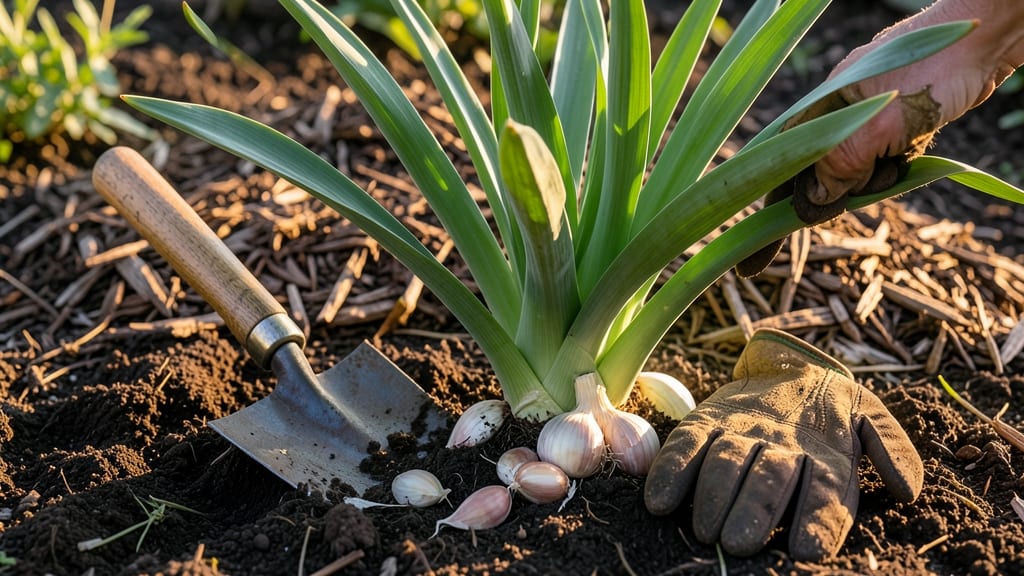
Planting garlic in New Hampshire at the wrong time can turn your 🧄 dreams into a winter waste—frost kills young shoots, and late starts mean puny bulbs. The key to a bountiful harvest lies in timing, especially when choosing between hardneck and softneck varieties.
Most NH gardeners swear by mid-to-late fall planting (October-November), but the real secret is understanding your zone’s frost dates.
In USDA 5b-6a, you’ve got about 4-6 weeks before the ground freezes to get cloves in the soil—too early, and they’ll rot; too late, and they won’t establish roots before winter.
Hardneck garlic thrives in NH’s cold winters, while softneck prefers milder conditions. I’ll break down the exact planting windows for each, plus how to adjust for unpredictable NH weather—because even the best-laid plans need backup strategies when December hits early.
Ready to grow the biggest, healthiest garlic your neighbors will envy? Let’s dive into the step-by-step schedule that actually works in New Hampshire’s climate, so you’re not left digging up half-formed bulbs next summer.
Best planting months for hardneck vs softneck garlic in New Hampshire
New Hampshire’s USDA zones 5b-6a create a delicate balance for garlic planting—too early, and your cloves rot in damp soil; too late, and they won’t root before winter. The ideal window is mid-October to mid-November, but hardneck and softneck varieties have different sweet spots.
Hardneck garlic, the star of NH gardens, thrives in cold winters and needs 6-8 weeks before the ground freezes to establish roots. Softneck, better for milder coastal areas, can handle slightly later plantings but still needs 4-6 weeks of root growth before winter sets in.
Here’s the breakdown you need to avoid wasted cloves and maximize your harvest next summer:
| Variety | Best Planting Window | Soil Temp | Frost Tolerance | Harvest Time |
|---|---|---|---|---|
| Hardneck | Mid-October - Early November | 45-55°F | Excellent (needs cold) | Late June - Early July |
| Softneck | Late October - Mid-November | 50-60°F | Moderate (prefers milder) | Late July - August |
For inland NH (like Concord or Manchester), aim for October 15-30—this gives hardneck garlic enough time to root before the ground freezes around mid-December. Coastal areas (Portsmouth, Dover) can push to November 10 since winters are slightly milder.
Pro tip: Check your last frost date (usually mid-October in NH) and count backward. Hardneck needs 6 weeks before frost; softneck only 4 weeks. Use a soil thermometer to confirm temps are below 60°F—this signals it’s time to plant.
Don’t overlook soil preparation. NH’s clay-heavy soils need amendments like compost or aged manure to improve drainage. Work in 1 inch of compost and a balanced fertilizer (10-10-10) at planting to give your garlic a nutrient boost for next summer’s harvest.
One common mistake? Planting too shallow. Cover cloves with just 2 inches of soil—any deeper, and they’ll rot; any shallower, and they’ll heave out of the ground in freeze-thaw cycles. Mulch with straw or leaves after planting to insulate the soil and protect emerging shoots.
Remember: Spring planting is a last-resort option in NH. If you miss fall, you can try planting in early spring (March-April), but yields will be 50% smaller because garlic needs cold vernalization to form bulbs properly.
🌱
How to adjust planting dates for NH’s unpredictable weather patterns
New Hampshire’s weather is famously unpredictable, and garlic planting dates can easily get thrown off by early frosts or unusually warm falls. If you’re worried about missing the ideal October-November window, don’t panic—there are smart ways to adapt.
The key is flexibility and understanding how to protect your garlic when Mother Nature doesn’t cooperate.
First, always have a backup plan. If your area experiences an early frost before you’ve planted, you can still try late November plantings—just cover the bed with 6-8 inches of straw mulch immediately after planting.
This insulation can buy you an extra 2-3 weeks before the ground freezes solid. For hardneck garlic, this might mean smaller bulbs, but it’s better than nothing!
🌱
Planting garlic after mid-November in most of NH increases the risk of rot or poor bulb formation. If you’re pushing the envelope:
- Use only the largest, healthiest cloves
- Plant deeper (2.5-3 inches) for extra protection
- Add extra mulch (12+ inches) to insulate
For coastal NH, you have slightly more leeway—up to November 20—thanks to milder winters.
What if you’re too early? Planting in September might seem safe, but damp NH soils can cause cloves to rot. If you find yourself in this situation, plant in raised beds or on a slightly elevated mound to improve drainage.
You can also plant shallower (1.5 inches) and cover with straw mulch to protect against heavy rains.
Another trick for unpredictable weather is the "double planting" method. Plant a small batch in your ideal window (mid-October) and another 2-3 weeks later if conditions seem unstable. This way, you’ve got a safety net if the first planting fails due to frost or other issues.
Just be sure to label your rows so you don’t confuse the two!
Don’t forget that soil temperature is your best guide, not just the calendar. Use a soil thermometer to confirm temps are consistently below 60°F before planting.
In NH’s USDA Zone 5b-6a, this usually aligns with mid-to-late October, but if you’re in a warmer microclimate (like near a south-facing wall), you might need to adjust.
For gardeners in northern NH (Zone 5b), where winters are harsher, consider planting hardneck varieties like 'German White' or 'Music', which handle cold exceptionally well.
If you’re in southern NH (Zone 6a), you might get away with planting softneck varieties like 'Silverskin' slightly later, but still aim for before November 15.
💧