
Plants
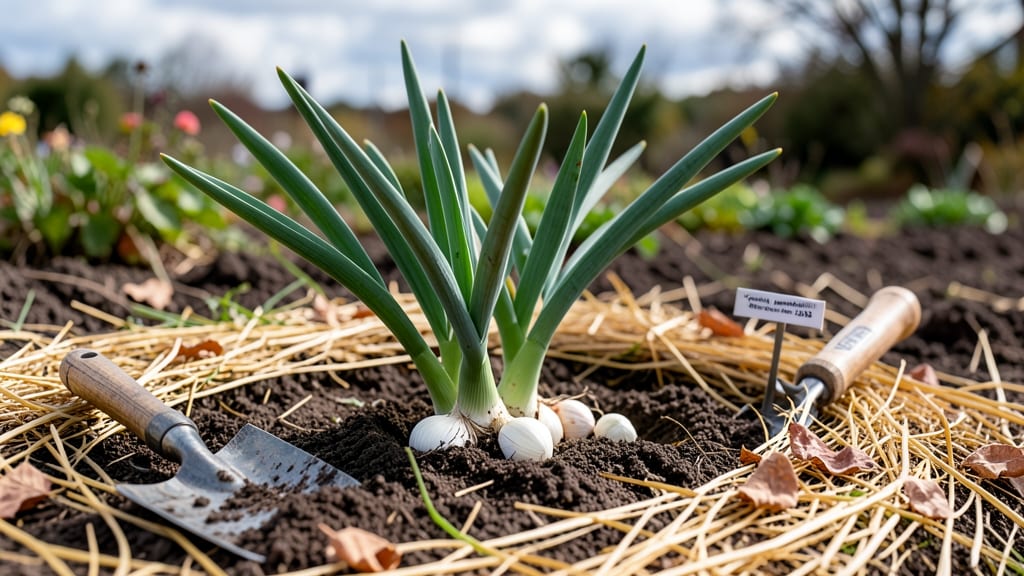
Planting garlic 🧄 in Western North Carolina isn't just about timing—it's about unlocking the secret to sweet, hardy bulbs that thrive in your mountain climate.
If you've ever wondered why some gardeners get perfect harvests while others struggle, the answer lies in those crisp fall days when the soil is just right.
Here in zones 6b-7a, the key window is October through November, but don't wait too long—plant too early, and your cloves might rot; too late, and they won't establish strong roots before winter.
I'll show you exactly how to nail that sweet spot for maximum flavor and yield, plus how to prepare your soil and choose the best varieties for our region.
What makes Western NC perfect for garlic? The cool nights and warm days create ideal conditions for hardneck varieties, but there's more to it than just the calendar.
Let me walk you through the 3 critical steps to guarantee your garlic takes hold this fall, from soil prep to frost timing, so you can enjoy homegrown harvests next summer.
Whether you're a first-time planter or a seasoned gardener, these insights will help you avoid common mistakes and grow garlic that's sweeter and more robust than anything you've bought at the store. Let's get those cloves in the ground the right way!
Best planting window for Western NC garlic success
Western NC’s USDA Zone 6b-7a climate is ideal for growing hardneck garlic, but timing your fall planting is critical for a successful harvest. The cool mountain nights and moderate winters create perfect conditions when you plant at the right time—typically between mid-October and mid-November.
This window ensures garlic gets enough root development before the ground freezes while avoiding early planting risks like mold or rot.
For Asheville and the Blue Ridge Mountains, aim to plant garlic 4-6 weeks before the first hard frost, usually around October 15th to November 1st.
In higher elevations like Boone or Blowing Rock, you may need to plant slightly earlier—closer to October 1st—to account for earlier frosts. The key is planting when soil temperatures drop to 40-50°F but before the ground freezes solid.
Timing isn’t just about frost—it’s also about moon phases. Planting during the waxing moon (when the moon is growing) encourages stronger root growth, which is ideal for garlic. Check a lunar planting calendar for your specific planting dates to maximize success.
In Western NC, this often aligns with October’s full moon, making it a prime time to get your cloves in the ground.
Soil temperature is another critical factor. Garlic cloves need consistent cool temperatures to sprout and establish roots. If you plant too early (like September), warm soil can cause cloves to sprout prematurely or develop fungal diseases. On the other hand, planting too late (after November 15th) risks cloves freezing before roots take hold. Use a soil thermometer to confirm temperatures are in the 40-50°F range before planting.
Here’s how to adjust your planting timeline based on your specific location in Western NC:
| Location | USDA Zone | Ideal Planting Window | Soil Temp Goal | Notes |
|---|---|---|---|---|
| Asheville | Zone 7a | October 15 - November 1 | 40-50°F | Moderate winters; watch for early frosts. |
| Boone/Blowing Rock | Zone 6b | October 1 - October 15 | 40-50°F | Higher elevation; plant earlier to avoid frost. |
| Hendersonville | Zone 7a | October 20 - November 5 | 40-50°F | Mild winters; can plant slightly later. |
| Sylva | Zone 7b | October 10 - October 25 | 40-50°F | Cooler microclimate; plant on the earlier side. |
If you miss the ideal window, don’t panic! You can still plant garlic in early December, but expect a smaller yield. The cloves will still grow, but they may not develop as large bulbs.
For a second chance, try planting in late winter (February) for a summer harvest, though this method yields smaller bulbs and is less common in Western NC.
One common mistake gardeners make is planting garlic too close to frost. If the ground freezes before roots establish, your cloves will rot. To avoid this, test your soil by pushing a soil probe into the ground—if it’s too hard to push, wait a few days.
A simple trick is to cover planted beds with straw once temperatures dip below freezing to provide insulation and protect emerging roots.
For the best results, plant garlic in full sun (at least 6 hours of sunlight daily) and in well-draining soil with a pH between 6.0 and 7.0.
In Western NC, loamy soil is ideal, but if your soil is heavy clay, amend it with compost or sand to improve drainage. Once planted, mulch with 2-3 inches of straw to retain moisture and regulate soil temperature throughout the winter.
By following these timing guidelines and adjusting for your specific microclimate, you’ll set your garlic up for a bountiful spring harvest—ready to enjoy fresh or cured bulbs by late June or early July. Happy planting! 🌱
Best planting window for Western NC garlic success
Timing your garlic planting in Western NC is all about catching that sweet spot between soil warmth and frost arrival. For our USDA zones 6b-7a, aim to plant between mid-October and early November, when soil temps hover around 50-60°F.
This gives cloves time to root before winter dormancy—critical for hardneck varieties that need cold exposure to form bulbs.
Why this window? Planting too early (like September) risks rot from warm, wet soils, while late November plantings may not establish roots before ground freeze.
I’ve found that October 15-30 is my sweet spot in Asheville, but adjust 1-2 weeks earlier for higher elevations (like the Blue Ridge Parkway) where frosts come sooner.
Pro tip: Check your last frost date—plant 4-6 weeks before the first hard freeze (typically mid-November in most of Western NC). For example, if your frost date is November 15, plant by October 25. Use a soil thermometer to confirm temps are below 60°F but above freezing.
🌱
| Planting Factor | Western NC Specification | Key Notes |
|---|---|---|
| Ideal Months | Mid-October to Early November | Adjust 1-2 weeks earlier at higher elevations |
| Soil Temperature | 50-60°F (10-15°C) | Use soil thermometer for accuracy |
| Last Frost Date | Mid-November (varies by microclimate) | Plant 4-6 weeks before |
| Moon Phase | Waxing moon (root growth phase) | Best for root development |
| Elevation Adjustment | 1-2 weeks earlier above 3,000 ft | Cooler temps speed up frost arrival |
Don’t overlook moon phases—planting during the waxing moon (when roots grow strongest) gives your garlic a head start. I always check my lunar calendar and schedule planting for the week after the first quarter moon in October.
This small tweak can mean the difference between weak sprouts and vigorous growth come spring.
For those in zone 6b (like the higher elevations of the Smokies), consider pushing planting to late September if your soil drains well. The trade-off? You’ll need to mulch heavily (4-6 inches of straw) to insulate cloves through winter.
In zone 7a (like Charlotte or Greenville), you’ve got a bit more flexibility—plant through early November if your soil stays workable.
Remember: Hardneck garlic needs cold—at least 60 days below 40°F to form bulbs. If you’re in a warmer microclimate (like a sheltered valley), you might need to chill cloves artificially in your fridge for 6 weeks before planting. This mimics winter conditions and ensures proper bulb development.
☀️