
Plants
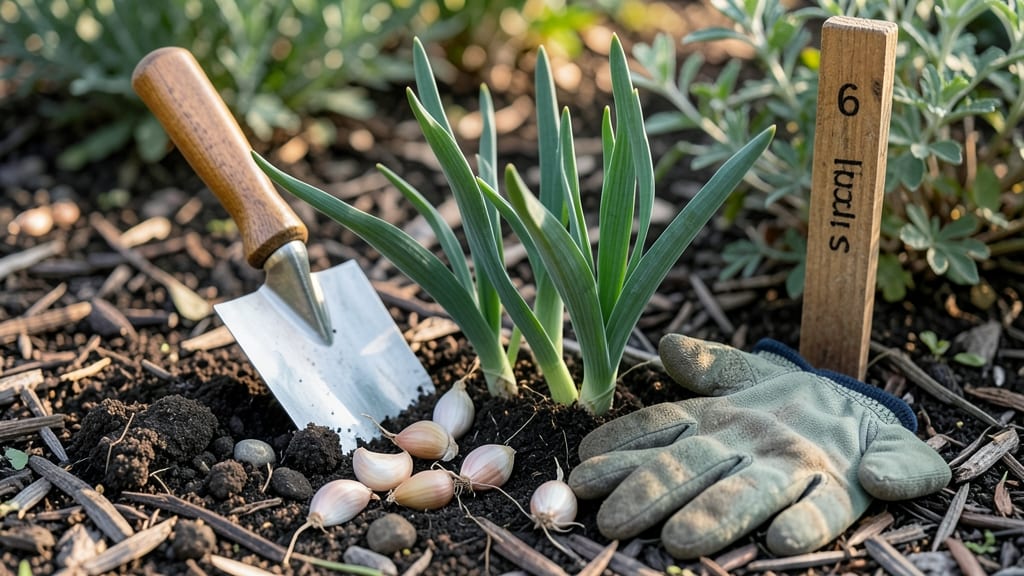
Planting garlic in Zone 5a at the wrong time can mean the difference between a thriving crop of plump 🧄 bulbs and a disappointing harvest. The key to success lies in understanding the delicate balance between cold exposure and soil conditions, which is why timing isn't just important—it's everything.
If you've ever wondered why some gardeners swear by fall planting while others prefer spring, the answer lies in how garlic responds to temperature shifts. In Zone 5a, where winters can be harsh and springs unpredictable, getting the timing right ensures your garlic develops properly before summer heat sets in.
I'll walk you through the exact planting windows for both hardneck and softneck varieties, including how to adjust for early or late frosts. Whether you're a first-time grower or a seasoned gardener, these insights will help you maximize your yield and avoid common mistakes that ruin harvests.
By the end, you'll know precisely when to plant for the best results—so you can enjoy fresh, homegrown garlic that rivals anything you'd buy at the store. Let's get started on your path to a bountiful harvest.
The best planting windows for garlic in Zone 5A
In Zone 5a, the ideal planting window for garlic is 4-6 weeks before the ground freezes, typically between mid-October and early November. This timing ensures garlic gets the cold vernalization it needs to form bulbs properly while avoiding winter dormancy.
For most of Zone 5a, this aligns with late October to early November, but adjust based on your last frost date.
Fall planting is the gold standard for garlic in Zone 5a because it allows the plant to establish roots before winter. The cold temperatures trigger bulb formation, leading to larger harvests.
If you miss the fall window, you can still plant in early spring (March), but yields will be smaller and bulbs may not store as well.
Here’s the key: Soil temperature should be below 40°F (4°C) but not frozen when planting. In Zone 5a, this usually happens by late October. If you plant too early, cloves may sprout prematurely and rot in warm soil.
If you plant too late, the garlic won’t get enough cold exposure to develop properly.
Hardneck varieties, like Rocambole or Porcelain, thrive in Zone 5a’s cold winters and are the best choice for fall planting. Softneck varieties, such as Silverskin, can also work but require slightly earlier planting to compensate for their slower cold adaptation.
To adjust for early or late frosts, monitor your local frost forecast. If frost arrives earlier than expected, plant garlic 2-3 weeks sooner. If winter is mild, you might push planting to early December, but this risks poor bulb formation.
| Planting Method | Best Time in Zone 5A | Soil Temp Requirement | Yield Expectation |
|---|---|---|---|
| Fall Planting | Mid-October to early November | Below 40°F (4°C) | Large bulbs, high yield |
| Spring Planting | Early March | Above 40°F (4°C) | Smaller bulbs, lower yield |
| Late Fall Planting (Risky) | Early December (if mild) | Frozen or near-freezing | Poor bulb formation |
For best results, aim to plant garlic when daytime temps are below 60°F (15°C) but nights are still above freezing. This balance ensures cloves don’t sprout too soon while still allowing root establishment. In Zone 5a, this usually means late October is your sweet spot.
If you’re unsure about your local frost dates, check the USDA Plant Hardiness Zone Map and consult your local cooperative extension service. They provide hyper-local advice tailored to your microclimate, which can be critical for garlic success.
Once planted, mulch with 2-3 inches of straw or leaves to insulate the soil and protect cloves from extreme cold. This mulch layer also suppresses weeds and retains moisture, giving your garlic a head start in spring.
Remember, garlic planted in fall will harvest the following summer (July-August). The longer it spends in the ground, the larger the bulbs will grow. Spring-planted garlic, on the other hand, may mature by late summer but will be significantly smaller.
Pro tip: If you’re new to garlic growing, start with hardneck varieties like German White or Music. They’re more forgiving in Zone 5a’s climate and produce flavorful scapes as a bonus harvest.
How to adjust planting time based on garlic type and variety
Not all garlic varieties thrive equally in Zone 5a, and their cold requirements and bulb development windows differ significantly. Understanding these distinctions ensures you choose the right type for your climate and planting timeline. Hardneck and softneck garlic each have unique needs that directly impact when—and how—you should plant them.
Hardneck varieties, like Rocambole, Porcelain, and German White, are the best choice for Zone 5a because they require cold winters to form bulbs. Their scapes (flower stalks) are an added bonus, offering a second harvest in late spring.
Plant these 4-6 weeks before the ground freezes, typically late October to early November.
Softneck varieties, such as Silverskin and Artichoke, are more adaptable but less cold-hardy than hardnecks. They store longer and are often used for braiding, but they need slightly earlier planting in Zone 5a—aim for mid-September to early October. This gives them a head start before winter sets in.
| Variety Type | Cold Hardiness | Ideal Planting Window | Bulb Maturity |
|---|---|---|---|
| Hardneck (Rocambole) | High (Zone 3-8) | Late October - Early November | July - Early August |
| Hardneck (Porcelain) | High (Zone 4-9) | Late October - Early November | July - Early August |
| Softneck (Silverskin) | Moderate (Zone 5-10) | Mid-September - Early October | Late July - August |
| Softneck (Artichoke) | Moderate (Zone 5-10) | Mid-September - Early October | Late July - August |
If you’re growing hardneck garlic, prioritize cold exposure—the longer the winter chill, the larger the bulbs. In Zone 5a, hardnecks benefit from 60-90 days of sub-40°F (4°C) temperatures to develop properly. For softnecks, focus on earlier planting to ensure they establish roots before the first hard frost.
For spring planting, hardnecks are a poor choice—they won’t develop bulbs properly without winter chilling. Instead, opt for softneck varieties planted in early March. Even then, yields will be smaller, and storage life shorter. Spring planting is best reserved for emergency backups if you miss the fall window.
Pro tip: If you love garlic scapes, hardneck varieties are a must. They produce edible flower stalks in late spring, which you can harvest to encourage larger bulb growth.
Softnecks rarely produce scapes, so if you’re growing them for bulbs alone, focus on early fall planting for the best results.
Finally, always buy certified seed garlic from reputable suppliers. Store-bought garlic often won’t sprout reliably, and you’ll miss out on the variety-specific traits that make hardnecks and softnecks perform differently in Zone 5a’s climate.