
Plants
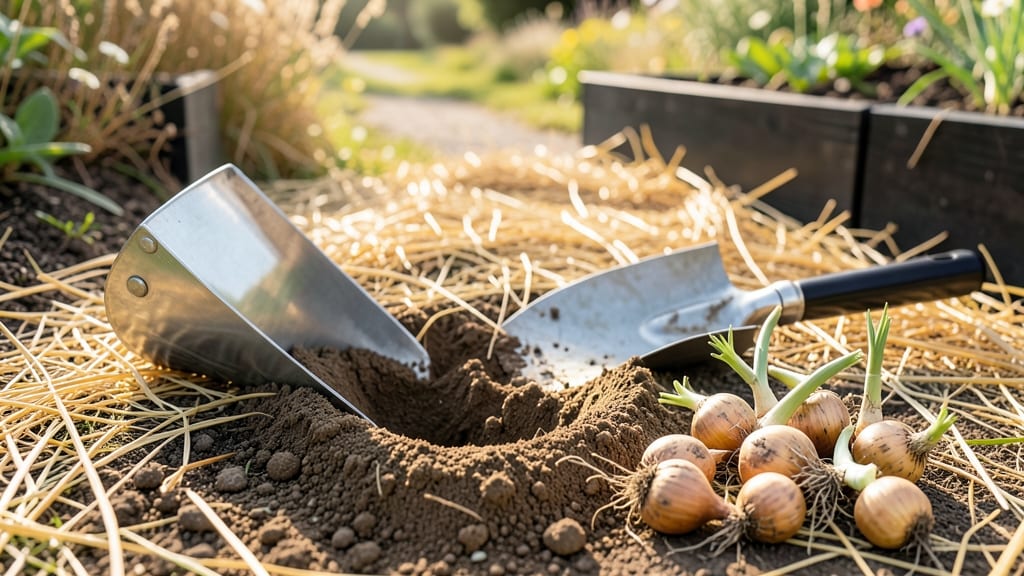
Timing when to plant gladiolus bulbs in Pennsylvania can make or break your summer garden dreams—get it right, and you’ll enjoy bold, show-stopping blooms from August through September; get it wrong, and you might as well have planted nothing at all.
Most gardeners in USDA Zones 5b-7a wait until after the last frost (typically around April 15), but Pennsylvania’s unpredictable spring weather means rushing too early can leave your bulbs vulnerable to rot.
The key is patience: aim for soil temperatures above 55°F and a window between April 15 and June 1 to give your Gladiolus the best shot at thriving.
I’ve learned the hard way that planting too late in Zone 5b (like much of central PA) can delay blooms, while Zone 7a gardeners in the south might have a slightly longer window.
Whether you’re pre-sprouting bulbs indoors or planting directly in the ground, these zone-specific tips will help you avoid common mistakes and maximize your Gladiolus’s dramatic height and color.
Ready to transform your garden into a summer spectacle? Let’s break down the exact steps—from soil prep to post-planting care—to ensure your Gladiolus 🌸 bulbs not only survive but thrive in Pennsylvania’s climate.
Pennsylvania Gladiolus planting calendar: exact dates by USDA Zone
Timing is everything when planting gladiolus bulbs in Pennsylvania, where USDA Zones 5b-7a create wildly different conditions from the Poconos to Pittsburgh. The wrong window means either rotten corms or sad, stunted blooms—neither of which you want after waiting all winter.
Let’s break down the perfect planting dates for your specific zone, plus soil temperature thresholds that’ll make or break your success.
Most Pennsylvania gardeners fall into Zones 5b-7a, with last frost dates ranging from mid-April in the south to late May in the north. Gladiolus corms need soil temperatures above 60°F (15°C) to sprout reliably, which is why early planting can be a gamble.
In colder zones (5b-6a), aim for after Memorial Day unless you’re willing to risk a frost-kissed failure.
Pro Tip: Use a soil thermometer to confirm your garden is ready—60°F+ at 4 inches deep is your green light. In Zone 7a, you’ve got a wider window (late April to early June), but even there, late May plantings often produce taller, more robust stems. The key is balancing frost risk with bloom timing—you want those dramatic summer flowers while still giving corms time to establish roots.
Here’s your zone-by-zone planting calendar, including last frost dates and ideal windows to maximize those show-stopping blooms:
Notice how Zone 7a gardeners can plant as early as late March, while Zone 5b folks should wait until late May? That’s Pennsylvania’s climate in action.
If you’re in a transitional zone (like parts of Lancaster or Lebanon Countylate planting—gladiolus are forgiving once the soil warms up.
For succession planting (to keep blooms coming all summer), add a second batch 4–6 weeks after your first planting. This works especially well in Zones 6b-7a, where you can stretch blooms from June through September.
Just remember: later plantings = shorter stems, but they’ll still deliver those vibrant blooms you crave.
One common mistake? Planting too late in June for summer blooms. Corms need 8–10 weeks to flower, so June 15+ plantings often flop by Labor Day. If you’re determined to have fall color, opt for early-sprouting varieties like 'White Friendship' or 'Black Pearl', which mature faster.
Now that you’ve got your dates locked in, let’s talk soil prep—
How to prepare Gladiolus bulbs for Pennsylvania’s unpredictable spring weather
Pennsylvania’s spring weather is famously unpredictable, with late frosts lingering into May in Zone 5b and sudden temperature swings that can confuse even the most experienced gardeners. To give your Gladiolus bulbs the best chance, I’ve learned to harden them and prepare the soil long before planting season.
Start by chilling bulbs for 8-12 weeks in a cool, dark place (like a basement) at 40-50°F—this mimics winter conditions and triggers healthy sprouting.
If you’re in Zone 6-7a, you might skip chilling entirely, but don’t rush—wait until soil temperatures consistently stay above 55°F. Use a soil thermometer to check; cold soil can cause rot before your bulbs even sprout.
My biggest mistake? Planting too early in central PA and losing entire batches to frost damage. Patience pays off with vibrant blooms later in the season.
🌱
Compacted clay soil is a major issue in Pennsylvania, and Gladiolus bulbs hate soggy roots. Before planting, amend your soil with compost or sand to improve drainage. If your garden sits in a low spot, consider raised beds—they warm up faster in spring and dry out more quickly after rain.
Late frosts (common until May 15 in Zone 5b) can kill emerging shoots. Use frost cloth or plant near warmth-retaining structures like brick walls to give young plants a head start.
Once your soil is prepped, focus on bulb spacing—plant Gladiolus corms 6 inches deep and 6 inches apart in rows. This prevents fungal diseases (like botrytis) that thrive in crowded, humid conditions.
In southern PA (Zone 7a), you can push the planting window to early June for fall blooms, but avoid planting after July 1—the bulbs won’t have enough time to establish before winter.
After planting, mulch heavily with straw to retain moisture and suppress weeds. Pennsylvania’s summer storms can drown roots if water isn’t managed properly, so aim for 1 inch of water per week, delivered in the morning to reduce fungal risks.
I’ve found that drip irrigation works best—it keeps foliage dry and delivers water directly to the roots.
Finally, watch for gladiolus thrips, a common pest in PA gardens. These tiny insects cause discolored blooms and stunted growth. I swear by neem oil sprays applied every 2 weeks during peak bloom season (August-September) to keep them at bay.
With these precautions, your Gladiolus will reward you with towering, dramatic spikes that turn heads all summer long.
☀️