
Plants
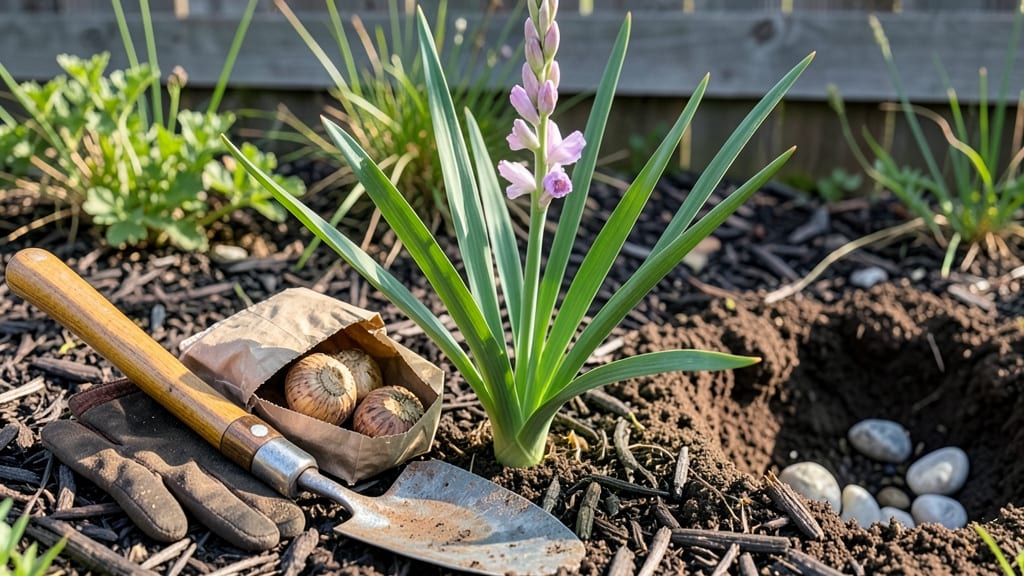
Timing your Gladiolus 🌸 planting in Colorado isn’t just about avoiding frost—it’s about unlocking bold, summer-long blooms that outshine the Rocky Mountain backdrop. Plant too early, and you’ll risk stunted growth; too late, and your flowers may never reach their full glory.
The key lies in those critical weeks before Colorado’s last frost, where soil temperatures and elevation play just as big a role as the calendar.
Most Colorado gardeners in zones 5-7 should aim to get their corms in the ground between mid-April and mid-June, but here’s the catch: Denver’s urban heat islands warm up faster than the high-altitude Front Range.
That means your exact planting window could shift by 2-3 weeks depending on whether you’re gardening in Colorado Springs or a mountain valley. Let’s break down the science—and the shortcuts—so you never miss a bloom again.
You’ll also discover how to stagger plantings for continuous color, which varieties thrive in Colorado’s heat, and when to start soil prep to give your gladiolus the head start they crave.
With the right timing, these towering beauties will reward you with cutting-garden-worthy stems from July through October—proof that patience (and precision) pays off in the garden.
Ready to turn your Colorado garden into a showstopper? The secrets to perfect gladiolus timing start with understanding your microclimate—and we’ve got the zone-by-zone guide to make it effortless. Let’s get those corms in the ground at the exact right moment.
Colorado gladiolus planting calendar by hardiness zone: exact weeks before frost
Colorado’s gladiolus planting schedule hinges on hardiness zones and elevation shifts that can push frost dates by 2-4 weeks. Most gardeners in Zones 5-7 should plant 4-6 weeks before the last frost, but Denver’s urban heat islands (Zone 5b-6a) warm up faster than mountain valleys (Zone 7-9).
Let’s map out your exact window based on where you garden.
For Denver metro areas (Zone 5b-6a), aim for mid-April to early May—this gives corms time to establish roots before the average last frost around April 15. In Colorado Springs (Zone 5a-6a), you can start as early as late March if soil temps hit 60°F.
Meanwhile, high-altitude zones (7-9), like the San Luis Valley, may need to wait until late May to avoid frost.
Here’s the zone-by-zone breakdown of when to plant for peak summer blooms:
| Zone | Last Frost Date | Planting Window | First Frost Deadline | Notes |
|---|---|---|---|---|
| 5a (e.g., Grand Junction) | April 1 | Mid-March to early April | October 15 | Early start possible; use row covers for safety. |
| 5b-6a (Denver, Fort Collins) | April 15 | Mid-April to early May | October 1 | Urban heat islands warm soil faster—monitor temps. |
| 6b-7a (Colorado Springs, Pueblo) | April 22 | Late March to mid-April | October 10 | Soil warms quickly; ideal for early blooms. |
| 7b-9 (Aspen, Telluride) | May 15 | Late May to early June | September 30 | Short season; prioritize heat-tolerant varieties. |
Pro tip: Use a soil thermometer to confirm 60°F soil temps before planting—this is your green light for gladiolus corms. Cold soil delays root growth, so don’t rush if temps are still chilly. For high-altitude gardens, consider container planting to move gladiolus indoors if early frost threatens.
If you’re in Zone 5a or below, start corms in biodegradable pots indoors under grow lights 6-8 weeks before your target outdoor date. This head start can shave 3-4 weeks off your season.
Just remember: Gladiolus hate soggy soil, so ensure pots have drainage holes and use a well-draining mix.
For continuous blooms, stagger plantings every 2 weeks from mid-April through June. This ensures flowers from July through September, giving you a nonstop summer show. For example, plant ‘White Prospect’ (early bloomer) in April, followed by ‘Black Star’ (late bloomer) in June.
The result? A colorful cascade that keeps your garden buzzing with activity.
One common mistake? Planting too deep or too shallow. Aim for 4-6 inches deep and 4-6 inches apart—any shallower risks toppling stems, while deeper planting can rot corms.
After planting, water deeply once to settle soil, then let it dry slightly before watering again. This prevents waterlogged roots, a major issue in Colorado’s clay-heavy soils.
Finally, mark your first frost date on the calendar and count backward. Gladiolus need 90-120 days to bloom, so adjust your planting window if you’re aiming for early summer or fall color.
For instance, if your first frost is October 15, plant by June 15 for late-season blooms. With this zone-specific timing, your gladiolus will thrive—and your neighbors will be green with envy.
How to adjust planting for Colorado’s microclimates: mountain vs. Front Range timing
Colorado’s microclimates can shift your gladiolus planting window by 3-4 weeks depending on whether you’re gardening in Denver’s urban heat island or a mountain valley. The Front Range (Denver, Colorado Springs) typically warms up faster than high-altitude zones like Zone 7-9 areas near Aspen or Durango.
Understanding these differences means the difference between stunning summer blooms and stunted growth.
For Denver metro (Zones 5b-6a), aim to plant corms 2-3 weeks earlier than rural highland areas. Urban heat islands can push last frost dates back to mid-April, while mountain valleys may not reach safe soil temps until late May.
Always check your local CoCoRaHS frost maps for precise timing—these tools are your secret weapon for Colorado gardening.
Here’s how to adapt your strategy based on your location:
| Region | USDA Zone | Last Frost Date | Ideal Planting Window | Soil Temp Goal | Adjustment Tip |
|---|---|---|---|---|---|
| Denver Metro | 5b-6a | Mid-April | April 15-May 15 | 55°F+ | Use black plastic mulch to warm soil faster |
| Colorado Springs | 6b-7a | Late April | May 1-May 20 | 50°F+ | Start corms indoors 4 weeks early |
| High Altitude (Aspen) | 7-8 | Late May | May 20-June 10 | 45°F+ | Use row covers for early protection |
| Western Slope (Durango) | 6a-7b | Mid-May | May 15-June 5 | 50°F+ | Choose heat-tolerant varieties |
If you’re in a high-altitude zone, consider container gardening to extend your season. Pots warm up faster in the sun and can be moved to sheltered spots if frost threatens.
For Denver gardeners, black plastic mulch or landscape fabric can raise soil temps by 10°F in just days—perfect for getting an early start.
Pro tip: Plant a test row of fast-growing radishes alongside your gladiolus corms. When the radishes are ready to harvest (about 30 days), your gladiolus soil should be warm enough for planting. This natural timing trick works better than any calendar!
Remember, Colorado’s first frost typically arrives in mid-October, but mountain areas can see frost as early as September 15. Stagger your plantings in 3-week intervals to enjoy continuous blooms from July through September—no more sad, wilted gladiolus by August!