
Plants
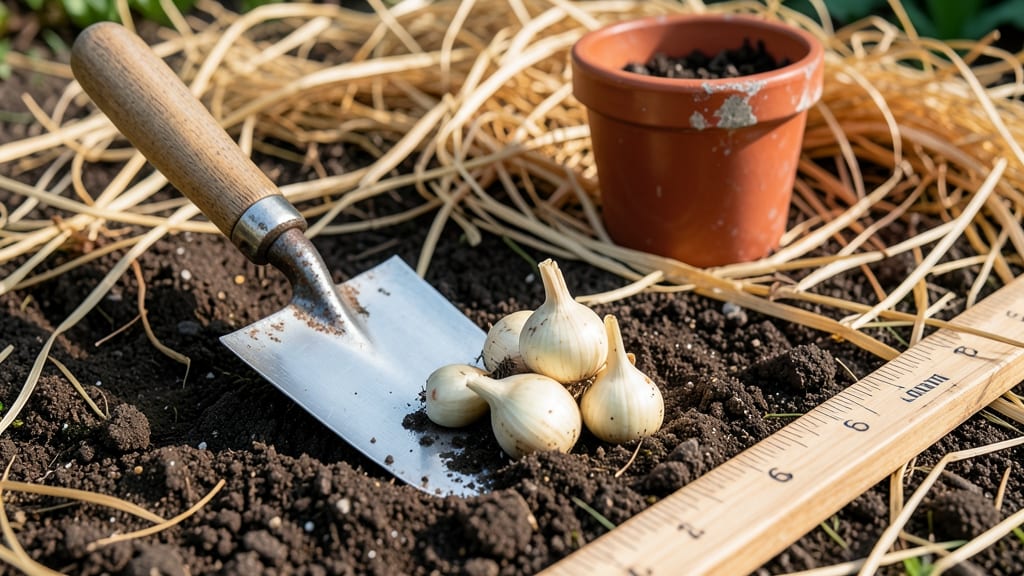
Planting your daffodil bulbs 🌼 at the right time in fall could mean the difference between a stunning spring garden and a sad investment in wasted bulbs.
The key isn't just about throwing them in the ground—it's about understanding your local frost dates and soil conditions to give those bulbs the perfect start.
For most gardeners in USDA Zone 6a, the ideal window opens about 6 weeks before your first frost, typically in late September or early October. This timing lets the roots establish before winter sets in, so your 🌼 daffodils wake up strong and ready to bloom.
But what if you're in a warmer zone? Or what if you're planting in containers? Let me show you exactly how to adjust for your specific situation.
You'll discover the 3 critical steps for fall planting—soil prep, depth, and spacing—that most gardeners get wrong. I'll also share my top tips for avoiding common mistakes like planting too deep or ignoring drainage, which can turn your bulbs to mush before spring.
With these insights, you'll be well on your way to a garden bursting with cheerful yellow and white blooms.
Ready to get started? Let's break down everything you need to know, from zone-specific planting dates to post-planting care that keeps your daffodils thriving through winter. Your future spring garden will thank you!
Best fall planting dates for daffodil bulbs by USDA hardiness zones
Getting your daffodil bulbs 🌼 in the ground at the right time is everything—plant too early, and they might sprout before winter; too late, and frost will damage them. The golden rule? Aim for 6 weeks before your first frost, when soil temps hit 60°F (15°C).
But since frost dates vary wildly by zone, let's break it down so you can plant with confidence.
In USDA Zones 3-5, where winters are harsh, your window is tight—typically mid-September to early October. Warmer zones like 6-8 can wait until October or even November, while Zone 9-10 gardeners might squeeze in late November plantings.
Southern hemisphere gardeners? Flip the calendar—plant in March-April for spring blooms.
I’ve planted daffodils in Zone 6a for years, and I’ve learned the hard way that rushing means rotten bulbs. The key is checking your local frost dates—use the USDA Plant Hardiness Zone Map and add 6 weeks.
For example, if your first frost is November 15, plant by late September.
Here’s the zone-by-zone breakdown to help you pinpoint your perfect planting window:
| Zone | Ideal Planting Window | Soil Temp Goal | Notes |
|---|---|---|---|
| 3-5 | Mid-Sept to Early Oct | 50-60°F (10-15°C) | Early frost risk; prioritize drainage |
| 6-7 | Late Sept to Mid-Oct | 55-60°F (13-15°C) | Classic "6 weeks before frost" zone |
| 8-9 | Oct to Early Nov | 60-65°F (15-18°C) | Milder winters; extend window |
| 10+ | Nov-Dec (early) | 65°F+ (18°C+) | Plant after summer rains subside |
Pro tip: If you’re in a microclimate (like a valley or urban heat island), adjust by 1-2 weeks later. For example, my friend in Zone 7 plants in early November because her garden stays warmer longer. Always check local weather patterns—some years, frost comes early!
For container gardening, the rules shift slightly. Bulbs in pots need well-draining mix and can handle planting up to 2 weeks later since containers warm up faster. Just move them to a garage or cold frame if frost threatens before roots establish.
One more thing: If you’re planting late in the season, choose hardier varieties like 'Ice Follies' or 'Tête-à-Tête'. These tolerate cooler soils better than fussy hybrids. And always water thoroughly after planting—this kickstarts root growth before winter sets in.
Now that you’ve got your dates locked in, let’s talk soil prep and planting techniques to ensure your daffodils thrive. The right depth, spacing, and sunlight can make or break your spring blooms!
How to prepare soil and plant daffodil bulbs for maximum spring blooms
Now that you’ve picked your perfect planting window, let’s dive into the soil prep and planting techniques that’ll give your daffodil bulbs 🌼 the best shot at thriving. The right conditions mean the difference between a vibrant spring display and bulbs that struggle to survive winter.
Start by testing your soil—daffodils hate soggy conditions, so well-draining soil is non-negotiable.
If your garden soil is heavy clay or compacted, mix in 2-3 inches of compost or coarse sand to improve drainage. For containers, use a blend of potting mix and perlite (50/50 ratio).
I once planted daffodils in pure garden soil, and they rotted by spring—don’t make that mistake! Aim for soil that’s loose, crumbly, and slightly sandy.
Here’s my step-by-step guide to planting like a pro, with the 3 critical steps you can’t skip:
✅ Daffodil Planting Checklist
- 🌱 Step 1: Choose the Right Spot – Pick a location with 6+ hours of sun and good airflow. Daffodils in shade? They’ll bolt (send up weak stems) and flop over.
- 🔧 Step 2: Plant at the Right Depth – Bury bulbs 6 inches deep (twice the bulb’s height). Deeper = rot; shallower = weak stems. Point the pointy end up!
- 📏 Step 3: Space for Success – Plant bulbs 3-6 inches apart (closer for dwarf varieties). Crowding = competition for nutrients, leading to smaller blooms.
- 💧 Step 4: Water Thoroughly – Give bulbs a deep drink right after planting. This helps roots establish before winter. Avoid soggy soil—daffodils hate wet feet!
- 🌿 Step 5: Mulch Lightly – Add 1-2 inches of mulch (straw or shredded leaves) to insulate bulbs. Too much mulch? It’ll smother them—keep it loose!
For container gardening, use pots with drainage holes and plant bulbs in groups of 3-5 for a dramatic display. Containers dry out faster, so check moisture every 5-7 days in fall.
Pro tip: Add a handful of slow-release fertilizer (like 10-10-10) to the planting hole—this gives bulbs a nutrient boost without overfeeding.
One mistake I see often? Planting bulbs in fresh manure or high-nitrogen soil. This causes rapid top growth that freezes in winter. Stick to balanced fertilizer and let roots establish first. After planting, resist the urge to fertilize again until early spring when leaves emerge.
Finally, label your planting spots! Daffodil foliage dies back after blooming, so you’ll forget where they are. Use biodegradable markers or a simple garden sketch. Next spring, you’ll be rewarded with bold, cheerful blooms that announce winter’s over—worth every bit of prep!
Ready to avoid the biggest fall planting mistakes? Let’s tackle those next, so you can skip the heartache and enjoy a garden full of daffodils!