
Plants
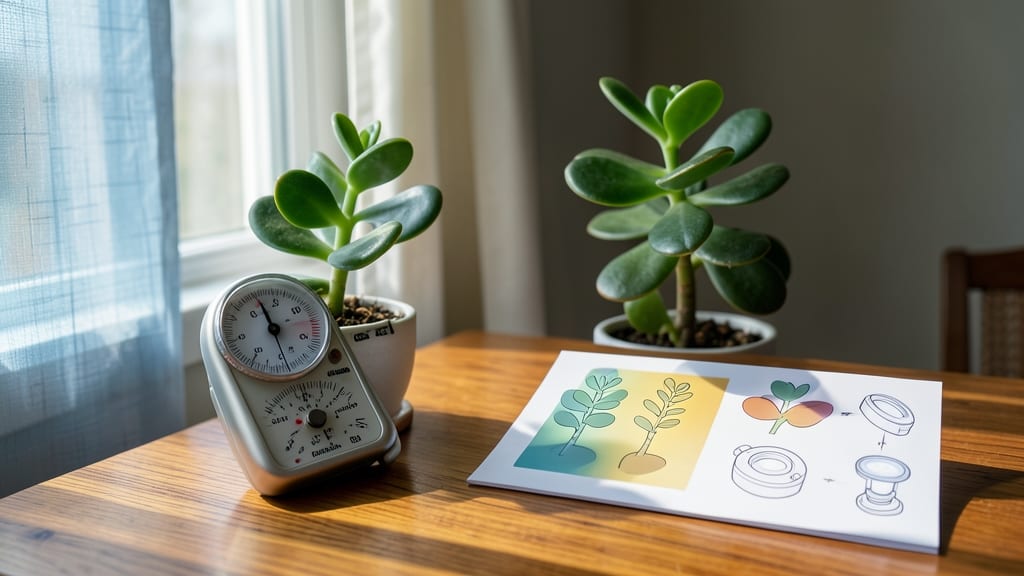
To keep your jade plant thriving, you need to master how much light the plant requires—because too little or too much can turn its glossy leaves dull or crispy in just weeks.
This succulent 🌿 isn’t fussy, but it does demand bright indirect sunlight for at least 3-4 hours daily, and getting that balance right is the secret to keeping it lush and compact.
If your plant starts stretching toward the window like it’s reaching for a snack, that’s your first clue it’s not getting enough light. On the flip side, brown patches or bleached leaves mean you’ve overdone it—direct midday sun can scorch those delicate leaves faster than you’d think.
The good news? With a few simple adjustments, you can create the perfect spot for your jade plant, whether it’s basking near a south-facing window or thriving under grow lights.
I’ve seen jade plants go from sad and leggy to vibrant and full in just a few weeks after tweaking their light setup.
Whether you’re dealing with a dim corner or a scorching hot windowsill, I’ll walk you through exactly how to diagnose the problem and fix it—so you can enjoy a healthy, happy plant year-round.
Let’s dive into the exact light conditions your jade plant craves, plus the easy tricks to keep it looking its best, no matter where you place it in your home.


Jade plant light requirements: the ideal balance of sunlight for healthy growth
Jade plants (Crassula ovata) are succulents that crave bright indirect sunlight for at least 3-4 hours daily. This light intensity keeps their leaves thick, glossy, and vibrant green.
Too little light causes etiolation (stretched, weak stems), while too much direct sun leads to sunburned patches or bleached leaves. Understanding these light requirements is key to keeping your jade plant thriving year-round.
Think of jade plants as sun-seekers with boundaries. They love basking near windows but need protection from harsh afternoon rays, especially in south-facing windows. The goal is to mimic their natural habitat in South Africa’s dry, rocky slopes, where they receive dappled sunlight.
This balance ensures your plant stays compact, healthy, and full of life.
Bright indirect sunlight (3-4 hours/day) is the sweet spot for jade plants. Here’s what this looks like in practice:
- Place your plant 2-3 feet from an east or west-facing window
- Use a sheer curtain to diffuse harsh midday sun if needed
- Avoid deep shade (like north-facing windows) unless supplementing with grow lights
Your jade plant’s leaves tell a story about its light conditions.
Look for these visual cues to adjust care: - Perfect light: Thick, oval leaves with a glossy finish - Too much light: Brown or white patches on leaves - Too little light: Pale, stretched stems reaching toward the light
| Light Condition | Signs Your Jade Plant Is Getting It Right | Signs of Too Much Light | Signs of Too Little Light | Recommended Fixes |
|---|---|---|---|---|
| Bright indirect sunlight (3-4 hours/day) | Thick, glossy leaves; compact growth; vibrant green color | Brown patches, crispy edges, or bleached leaves | Stretched, leggy stems; pale or yellowing leaves | Rotate plant; use sheer curtain or move to a sunnier spot |
| Direct morning sun (1-2 hours max) | Healthy growth with slight red tint on leaves | White/yellow patches (sunburn) | Slow growth, weak stems | Provide afternoon shade or move indoors |
| Low light (e.g., north-facing window or deep shade) | Survival mode: slow growth, sparse leaves | None (but growth stalls) | Extreme stretching, pale leaves, weak roots | Supplement with a grow light (12-14 hrs/day) or relocate |
Seasonal changes affect your jade plant’s light needs. During winter months, when daylight is shorter, your plant may need supplemental grow lights to maintain health. In summer, if moving your jade outdoors, acclimate it gradually to avoid sun shock.
Start with 1 hour of morning sun and increase exposure over 1-2 weeks.
One common mistake is assuming all south-facing windows provide ideal light. While they offer the most sunlight, afternoon rays can be too intense for jade plants. If you notice crispy leaf edges, your plant is getting too much direct sun.
The fix? Move it further from the window or use a light-colored curtain to filter the light.
For indoor growers, LED grow lights are a game-changer in low-light spaces. Place them 6-12 inches above your jade plant and run them for 12-14 hours daily. This mimics natural sunlight and prevents etiolation. Remember to rotate your plant weekly to ensure even growth on all sides.
Outdoor jade plants need special attention during peak summer months. While they enjoy fresh air, prolonged afternoon sun can scorch leaves. Use a 30-50% shade cloth if your plant shows signs of stress.
In cooler climates, outdoor jade plants can stay outside year-round, but bring them indoors before frost threatens.
If your jade plant is already struggling from light-related issues, don’t panic. With adjustments, it can recover! For sunburned leaves,
How to adjust light for jade plants in different settings: indoor vs. outdoor care
Jade plants are incredibly adaptable, but their light needs shift dramatically between indoor and outdoor environments. In my experience, the key to success lies in understanding how to optimize light exposure based on your specific setting.
Whether you're dealing with a dim apartment or a sunny patio, small adjustments can make all the difference for your Crassula ovata.
Indoor jade plants often struggle with inconsistent light sources, while outdoor plants face the challenge of intense midday sun. The solution? Strategic placement and gradual acclimation. Let’s break down how to create the perfect light conditions for your plant’s environment.
Best Windows for Indoor Jade Plants
South-facing windows provide the most light, but east-facing windows work well for gentle morning sun. Avoid west-facing windows unless you provide afternoon shade.
Using Grow Lights for Low-Light Spaces
LED grow lights (5000-6500K) should be placed 6-12 inches above the plant for 12-14 hours/day. Rotate the plant weekly to prevent uneven growth.
Outdoor Light Tips for Jade Plants
Acclimate plants gradually to outdoor light (start with 1 hour/day, increasing over 2 weeks). Use a shade cloth (30-50%) if leaves show signs of sunburn.
Signs Your Jade Needs a Light Adjustment
Leggy growth? Move closer to a window or add a grow light. Crispy edges? Reduce direct sun exposure or increase humidity.
For indoor jade plants, I’ve found that east-facing windows offer the most consistent light without the risk of overheating. If your home only has north-facing windows, supplement with a grow light to ensure your plant gets the 3-4 hours of bright indirect light it needs daily.
I use a simple LED bulb on a timer—it’s a game-changer for plants in dim corners.
Outdoor jade plants require a different approach. In my garden, I start by placing jade plants in partial shade during their first week outside. Then, over the next two weeks, I gradually increase their exposure to direct sunlight.
This slow transition prevents sunburn and helps the plant adjust to the stronger light conditions. If you notice leaves turning yellow or developing white patches, it’s a clear sign to provide more shade.
One common mistake I see is placing jade plants in west-facing windows, where the intense afternoon sun can quickly damage their leaves. If you must use a west-facing window, I recommend using a sheer curtain to diffuse the light.
Alternatively, move the plant a few feet away from the window to reduce direct exposure while still allowing plenty of bright, indirect light to reach it.
Remember, jade plants are succulents—they’re built to thrive in bright conditions, but they need balance. Whether you’re tweaking your indoor setup or preparing your plant for outdoor life, pay attention to its growth patterns and adjust accordingly.
With the right light, your jade plant will reward you with thick, vibrant leaves and that coveted compact shape.