
How To
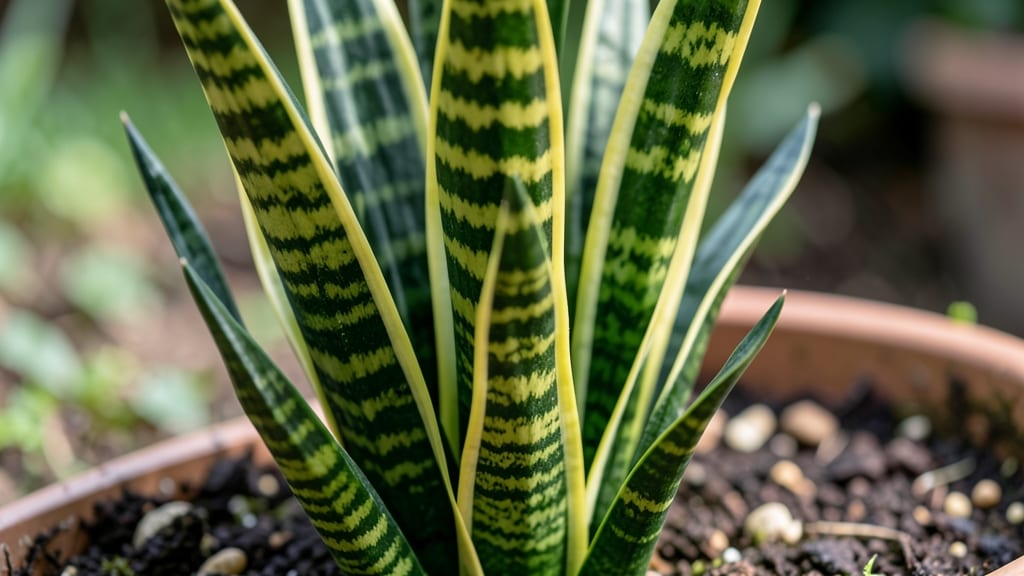
If you’ve ever wondered how tall a snake plant can grow 🌱, you’re not alone.
The truth is, these hardy plants can stretch anywhere from 1 to 6 feet, but their final height depends on far more than just luck—light, pot size, and even your watering habits play a surprising role.
Most people assume snake plants stay short, but under ideal conditions, they can become towering indoor statement pieces. Whether you’re dealing with a cramped apartment or a sunlit conservatory, understanding the factors that influence growth is the key to unlocking your plant’s full potential.
In this guide, I’ll break down exactly how tall your snake plant can grow, which varieties reach the highest heights, and the simple care tweaks that can make a big difference in its vertical growth. Ready to turn your leafy friend into a room-dividing giant?
From choosing the right pot to mastering the perfect light balance, these insights will help you nurture a snake plant that doesn’t just survive—it thrives. Let’s get growing!


Snake plant height limits: indoor growth expectations by variety and conditions
Your snake plant (Sansevieria trifasciata) might surprise you with its vertical ambitions—some varieties stretch toward the ceiling while others stay compact.
Under ideal indoor conditions, most mature snake plants reach 4 to 6 feet tall, though dwarf varieties like 'Hahnii' (Bird's Nest) max out at 1 to 2 feet. The key?
Variety, light exposure, and container size all play starring roles in determining how tall your plant grows.
For example, the classic 'Laurentii' (with yellow edges) often hits 5 feet indoors with proper care, while 'Futura Superba' can tower 6+ feet in spacious pots. Even small cylindrical varieties like 'Cylindrica' grow vertically, just in a thicker, bushier form.
Let’s break down what to expect from your snake plant’s growth journey based on its type and environment.
| Variety | Indoor Height Range | Growth Rate | Key Growth Factors |
|---|---|---|---|
| Sansevieria trifasciata 'Laurentii' | 4–6 ft | Slow to moderate | Bright indirect light, spacious pot |
| Sansevieria trifasciata 'Futura Superba' | 5–7 ft | Moderate | Direct sunlight, tall container |
| Sansevieria cylindrica | 3–5 ft | Slow | Low light tolerance, compact pot |
| Sansevieria 'Hahnii' (Bird's Nest) | 1–2 ft | Very slow | Indirect light, small pot |
| *Sansevieria 'Moonshine' | 2–4 ft | Moderate | Bright indirect light, well-draining soil |
Note: Heights assume 3–5 years of growth in ideal conditions.
Age matters just as much as variety when predicting your snake plant’s height. In their first year, most varieties grow only 1 to 2 feet tall, adding 1 foot annually under optimal conditions.
By year three, you’ll notice a growth spurt—especially if your plant has plenty of root space and bright indirect light. For example, a 'Laurentii' might hit 3 feet by year 3 but won’t reach its full 6-foot potential until year 5 or later.
Light is the single biggest factor in determining height. Snake plants grown in low-light conditions (like a north-facing window) often stay shorter and bushier, while those basking in east or south-facing light grow taller and leaner. This is because they stretch toward the light source—a phenomenon called etiolation.
If you notice your plant developing long, thin leaves with pale stripes, it’s craving more light and may grow taller than expected if moved to a brighter spot.
Pot size directly impacts height too. Root-bound snake plants stop growing vertically once their roots fill the container. If you’re aiming for a tall, leggy specimen, choose a narrow, deep pot (like a 12-inch-tall container) to encourage upward growth.
Conversely, a wide, shallow pot promotes bushier, shorter growth. Pro tip: Repot every 2–3 years to give roots room to expand—this can add 1–2 extra feet of height over time.
Don’t overlook the role of temperature and humidity. Snake plants thrive in USDA Zone 6a or warmer, where they grow more vigorously. In cooler climates (below 50°F), growth slows dramatically, capping height at 3–4 feet even for mature plants.
High humidity can also stunt vertical growth, causing leaves to spread out instead of reaching upward. If you live in a humid region, place your snake plant near a dehumidifier or in a well-ventilated area to encourage taller growth.
One common misconception is that all snake plants grow equally tall. In reality, dwarf varieties like 'Hahnii' are genetically capped at 2 feet, while standard types can double that height. Even within the same variety, outdoor-grown plants often surpass indoor height limits due to more sunlight and space.
For instance, a 'Laurentii' might reach 8 feet outdoors but only 5 feet indoors. Understanding these differences helps set realistic expectations for your plant’s growth trajectory.
To give your snake plant the best shot at reaching its full height potential, focus on these three pillars: light, container size, and variety selection.
Start by placing your plant in the brightest indirect light available (like an east-facing window) and upgrade to a taller pot if you want vertical growth. For tall varieties, consider staking or using a <
How to maximize snake plant height: light, soil, and pot secrets
If you’re dreaming of a 6-foot-tall snake plant reaching your ceiling, you’re not alone—but achieving that height requires more than just patience. The right light exposure is the #1 factor in encouraging vertical growth.
Snake plants thrive in bright indirect light, but too little light stunts their growth, while harsh direct sun can scorch their leaves. Position your plant near an east-facing window for ideal morning light without the risk of afternoon burns.
Most people underestimate how much pot size impacts height. A root-bound snake plant will focus energy on surviving rather than growing taller. Opt for a pot that’s only 1-2 inches wider than the plant’s base—this encourages deeper root growth, which supports upward expansion.
Terracotta pots are especially great because they allow excess moisture to evaporate, preventing the root rot that can halt growth.
🌱
Growth Killers to Avoid
- Overwatering: Causes root rot, which stunts growth entirely.
- Small pots: Restricts root development, limiting height potential.
- Low light: Leads to leggy, weak stems that can’t support tall growth.
- Fertilizer overload: Burns roots and halts upward expansion.
Don’t overlook the power of soil aeration. Snake plants need well-draining, chunky soil mixes that prevent compaction. I recommend blending cactus/succulent mix with perlite or pumice (50/50 ratio) to create airflow around the roots.
Compacted soil suffocates roots, forcing the plant to divert energy to survival instead of reaching new heights.
Watering habits make or break vertical growth. Most beginners overwater snake plants, thinking they need frequent hydration. In reality, these drought-tolerant plants thrive on deep but infrequent watering.
Let the top 3-4 inches of soil dry out between waterings—this mimics their natural desert environment and encourages strong, sturdy stems capable of supporting tall growth.
For the fastest height gains, combine these tips with a rotation schedule. Every 2-3 months, turn your pot ¼ turn to ensure even light exposure on all sides.
This prevents lopsided growth and helps the plant grow straight and tall. With the right care, your snake plant can become the ceiling-touching centerpiece you’ve always wanted!
☀️