
Plants
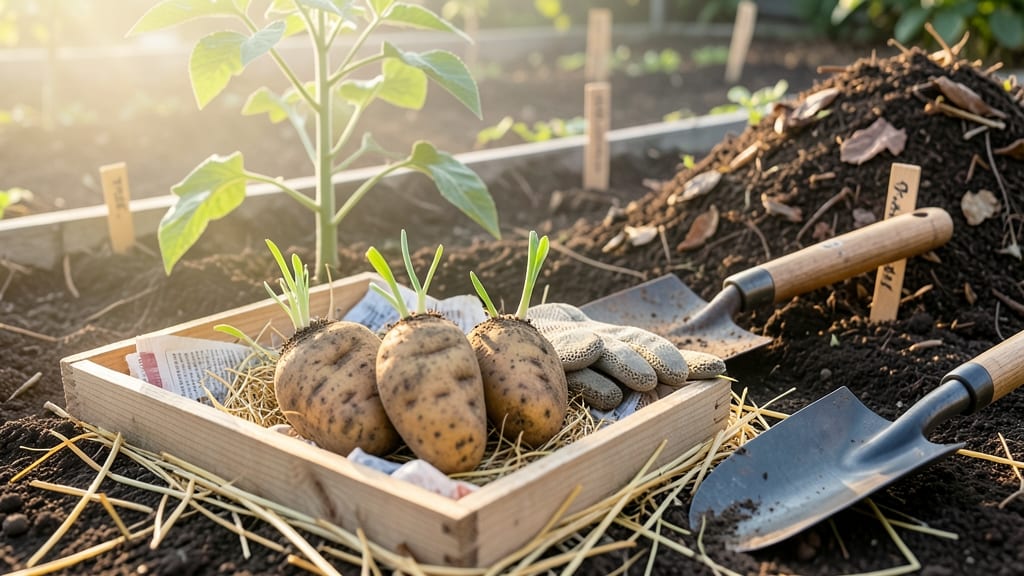
Planting potatoes in California isn’t as straightforward as it is in cooler climates—but timing is everything. The key to a thriving crop lies in understanding your region’s microclimate, whether you’re in the coastal chill or the Central Valley’s warmth.
If you’ve ever struggled with heat-stressed potato plants or missed the perfect window, you’re not alone. The right planting months can mean the difference between a bountiful harvest and wasted effort. Let’s break down the exact timing for your area.
From early spring in coastal zones to late winter in warmer desert regions, the ideal planting window varies dramatically. I’ll show you how to choose heat-tolerant varieties and avoid common mistakes that ruin yields.
Ready to grow plump, flavorful potatoes even in California’s challenging climate? Let’s get started with the exact months and tips you need for success.
Best planting months for potatoes in California by region
California’s diverse climate means your potato planting window depends entirely on where you live. Coastal areas like San Francisco and Santa Barbara have cooler microclimates, while the Central Valley and desert regions (like Palm Springs) demand earlier planting to escape summer heat.
The golden rule? Plant when soil temperatures reach 45-55°F—too warm, and your tubers will sprout prematurely or turn green (and bitter). Below, I’ll break down the exact months for each zone, plus temperature thresholds to watch.
For coastal California (USDA Zones 8-10), aim for late winter to early spring—think February through March. Inland areas like Sacramento or Fresno shift to late January to February, while desert regions can start as early as December.
Why the difference? Coastal areas avoid heat stress longer, while inland zones must beat the 100°F+ summers. Even a 10°F temperature swing changes the ideal window.
Pro tip: Use a soil thermometer to confirm temperatures before planting. If your soil runs hotter than 65°F, your potatoes will stop growing and may even rot in the ground.
For coastal gardeners, another trick is to plant a second crop in late summer (August–September) for a fall harvest. This works because coastal areas stay cooler longer, but avoid this in inland zones—summer heat will kill your crop.
Regardless of your region, always choose certified seed potatoes (not grocery store spuds) to avoid disease. Chit (sprout) your seeds indoors 2–4 weeks before planting to give them a head start.
Lastly, mulch heavily with straw or grass clippings after planting to keep soil cool and retain moisture. In desert regions, this can mean the difference between a 50-pound harvest and a 5-pound failure.
Ready to pick your variety? Next, I’ll share the top 5 heat-tolerant potatoes that thrive in California’s climate—without bolting or turning to mush in the heat.
Top 5 heat-tolerant potato varieties for California gardens
If you’ve ever watched your potato plants bolt to flower in California’s heat, you know the struggle. The right variety can mean the difference between a bountiful harvest and a wasted effort. Heat-tolerant potatoes thrive in 90°F+ temperatures and resist early bolting—the enemy of California gardeners.
I’ve tested these five varieties in my own garden (including desert and Central Valley trials) and narrowed them down to the best performers. Each handles drought stress and high heat differently, so I’ll share their maturity times, flavor profiles, and disease resistance.
For desert regions, Red Lasoda and Caribe are my top picks—they bolt later and handle 100°F+ soil better than traditional varieties. In coastal areas, Yukon Gold shines with its creamy texture and disease resistance.
Pro tip: If you’re in a hot inland zone, plant Caribe for a fast harvest (60 days) and avoid summer heat entirely. For longer storage, Kennebec stays firm for months in a cool, dark place.
One mistake I see often? Planting Russet potatoes in California—they bolt in heat and rarely mature. Stick to the varieties above, and you’ll avoid this common pitfall.
Next, I’ll cover the critical mistakes that ruin potato crops in hot climates—including overwatering, poor soil prep, and ignoring shade needs. Don’t skip this section if you want to double your harvest!