
Plants
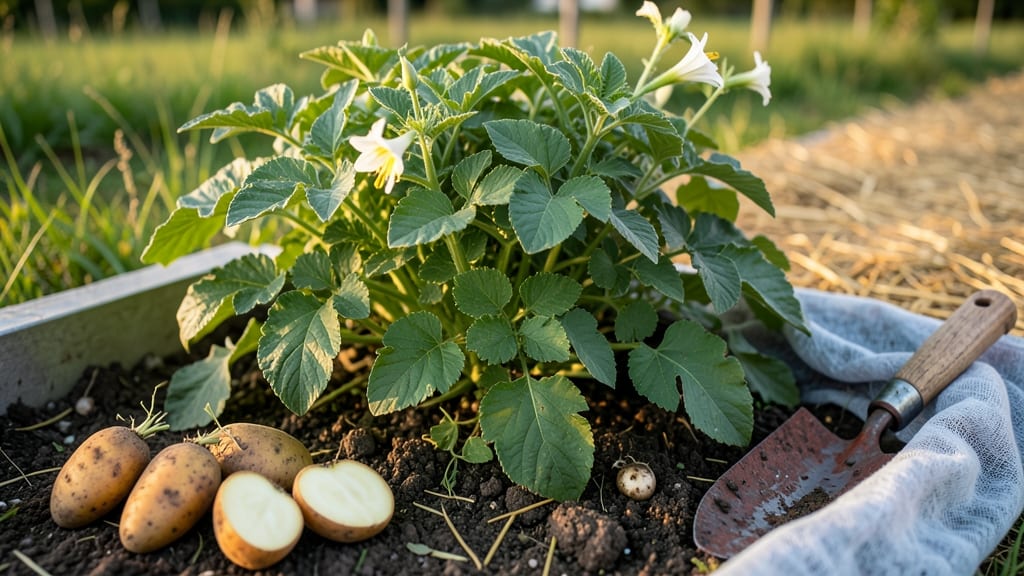
Planting potatoes in Oregon at the wrong time can turn your 🥔 dreams into a soggy, frost-bitten mess—unless you know the exact windows for your microclimate. Whether you're in the Willamette Valley's mild coastal zones or the hotter inland areas of 7b-9a, timing matters more than you think.
Most gardeners in Oregon rush to plant too early, only to watch their seeds rot in cold, wet soil. The key? Start 4-6 weeks before your last frost date—typically mid-February for early varieties or late March for main crops—but coastal regions like the Oregon Coast can wait until April.
I’ll break down the exact dates for your specific zone so you avoid common mistakes.
You’ll also discover how to beat Oregon’s unpredictable weather, from using row covers to protect against late frosts to adjusting planting depths for well-drained soil. Whether you're growing organic spuds or conventional varieties, these strategies ensure a bountiful harvest from June through September.
Let’s dive into the step-by-step timeline that’s worked for Oregon gardeners for decades—no guesswork, just proven results. Your next potato patch starts here.
Oregon planting zones: when to start potatoes by county and microclimate
Oregon’s diverse climate—from the cool coastal fog of the Oregon Coast to the warmer inland valleys—means potato planting dates vary dramatically.
Most of the state falls under USDA Zones 7b-9a, but microclimates like the Willamette Valley or high-desert regions near Bend can shift your ideal planting window by weeks. To avoid frost damage or rot, I’ve broken down the best times for your specific area.
For coastal Oregon (e.g., Astoria, Newport), wait until late March to early April when soil temperatures reach 45°F.
Inland areas like Portland or Salem can start as early as mid-February for early varieties, while southern Oregon (e.g., Medford, Ashland) may plant until early May thanks to longer frost-free seasons.
Elevation also plays a role: Mount Hood’s foothills (Zone 7b) need earlier starts, while lowland areas near Eugene (Zone 8b) can delay planting. Always check your last frost date—typically March 15 in Portland or April 15 in southern Oregon—and plant 4-6 weeks before to ensure tubers develop properly.
Oregon Potato Planting Windows by Region
| Region | USDA Zone | Ideal Planting Window | Last Frost Date | Notes |
|---|---|---|---|---|
| Coastal (Astoria, Newport) | 7b-8a | Late March–Early April | April 1–15 | Cool soil; use row covers |
| Willamette Valley (Portland, Salem) | 8a-8b | Mid-February–Early April | March 15–April 1 | Early varieties best |
| Southern Oregon (Medford, Ashland) | 8b-9a | Late March–Early May | April 15–May 1 | Longer season; late harvests |
| High Desert (Bend, Redmond) | 7b | Early April–Mid-May | May 1–15 | Dry soil; mulch heavily |
*Adjust for elevation: Add 1 week per 1,000 ft above sea level.
If you’re unsure about your exact microclimate, use the Oregon State University Extension Service’s frost maps or check local Cooperative Extension offices. For example, Corvallis (Zone 8a) can plant 2 weeks earlier than Seaside (Zone 8b) due to milder winters.
Always plant seed potatoes (not grocery-store spuds) in well-draining soil—Oregon’s wet springs can lead to rot if soil is too dense.
For organic gardeners, consider chitting (pre-sprouting) seed potatoes indoors 4-6 weeks before planting. This gives you a 2-week head start on growth, crucial for coastal areas where soil stays cold longer.
Place cut seed potatoes in a bright, cool spot (55–65°F) with the cut side up—you’ll see sprouts in 2-3 weeks.
Pro tip: Plant early varieties like ‘Yukon Gold’ or ‘Red Pontiac’ for a June harvest, then follow with maincrop varieties like ‘Russet’ for a July–September bounty. This succession planting maximizes your yield in Oregon’s short growing season.
Remember, soil temperature matters more than air temperature. Use a soil thermometer to confirm it’s 45°F or warmer before planting—cold soil delays sprouting and invites disease. If your soil is still too cold, wait 1-2 weeks or use black plastic mulch to warm it faster.
For container growers, plant in late April to early May when soil warms up, using large pots (12+ inches deep) with drainage holes. Containers heat up faster, so monitor moisture closely—overwatering is a common mistake in Oregon’s humid summers.
Step-by-step potato planting timeline for Oregon growers
Timing your potato planting in Oregon isn’t just about the calendar—it’s about soil temperatures, frost dates, and variety selection. My go-to strategy starts with chitting seed potatoes indoors 4-6 weeks before the last frost date, which gives you a head start on the growing season.
For most of Oregon, this means beginning in late January to early February for early varieties.
Once your seed potatoes have sprouted (about 1-2 inches long), it’s time to harden them off outdoors for a week before planting. This step is critical for Oregon’s coastal regions, where cold snaps can linger into April.
Plant them in well-drained soil when temperatures consistently stay above 45°F—typically mid-February in southern Oregon and early April along the coast.
📅 Your Oregon Potato Planting Checklist
- Late January–Early February: Chit seed potatoes indoors (place in bright, cool spot).
- Mid-February–Early March: Harden off sprouted potatoes outdoors for 1 week.
- 4-6 Weeks Before Last Frost: Plant seed potatoes 4 inches deep, 12 inches apart, in rows 30 inches apart.
- When Sprouts Emerge: Hill soil around stems to encourage tuber formation (repeat every 2-3 weeks).
- June–September: Harvest when plants flower and foliage yellows (early varieties first).
After planting, focus on consistent moisture—Oregon’s spring rains can lead to waterlogged soil, which causes rot. Aim for 1-2 inches of water per week, delivered in the morning to prevent fungal diseases.
Mulch with straw to retain moisture and suppress weeds, a must-do in the Willamette Valley’s damp climate.
Hilling is your next key task: when plants reach 6 inches tall, mound soil around the stems up to the top leaves. Repeat this every 2-3 weeks to protect new tubers from sunlight (which turns them green and toxic).
This method works especially well for late-maturing varieties planted in May for a fall harvest.
By June or July, depending on your variety, your potato plants will start flowering. This is your cue to begin checking for harvest readiness—gently dig up a few tubers to see if they’ve reached 2-3 inches in diameter.
Early varieties like ‘Yukon Gold’ are ready in 60-90 days, while late varieties like ‘Russet’ may need up to 120 days.
Don’t forget to rotate planting locations yearly to prevent disease buildup, a common issue in Oregon’s wet climate. And if you’re aiming for a fall harvest, plant a second crop in late May or early June for tubers ready by September.
With this timeline, you’ll avoid the pitfalls of Oregon’s unpredictable frosts and enjoy a steady supply of homegrown potatoes all season.