
Plants
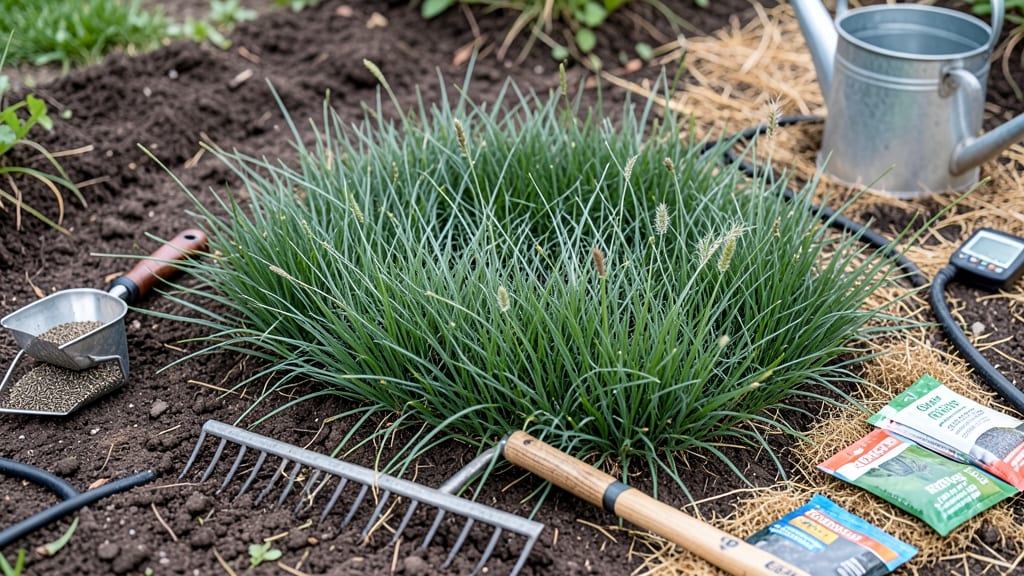
Planting grass seed in Oregon at the wrong time can mean the difference between a lush, fast-growing lawn and months of frustration.
The best window isn’t just about seasons—it’s about microclimates, soil temps, and Oregon’s unpredictable weather patterns that can turn seed into thick green in weeks or leave you with bare patches.
With coastal fog, Willamette Valley humidity, and high-desert heat, timing matters more than most gardeners realize. Whether you're in 7b-9a zones or battling 🌱 establishment challenges, the key is planting when soil is warm enough (50-65°F) and rainfall aligns with germination needs.
Let’s break down the exact months that work best for your region.
Spring and early fall are your golden opportunities, but even then, coastal areas thrive in September while inland spots need March-April starts. I’ll show you how to leverage Oregon’s natural rhythms—like fall rains or avoiding summer heat stress—to get that perfect lawn without wasting seed or effort.
Ready to skip the guesswork? You’ll learn the fastest ways to prep soil, choose the right grass types for your microclimate, and keep your new grass hydrated until it’s firmly rooted. Let’s get your Oregon lawn off to the best possible start.
Oregon’s 3 ideal grass-seeding windows by microclimate (with exact months)
Oregon’s climate isn’t one-size-fits-all, so the best time to plant grass seed depends on whether you’re in the coastal fog belt, the Willamette Valley, or the high desert. Each region has unique soil temps, rainfall patterns, and frost risks that dictate success.
Let’s break down the exact windows for each microclimate to ensure your seed germinates quickly and establishes thick, resilient grass.
For coastal Oregon (e.g., Astoria, Cannon Beach), the ideal window is late summer to early fall—think September through early October. The ocean’s moderating influence keeps soil temps perfect (50-65°F) while fall rains provide natural hydration.
This timing avoids summer drought stress and gives seedlings a head start before winter rains arrive.
In the Willamette Valley (Portland, Salem), your best bet is early spring (March-April) or early fall (September). Spring planting aligns with rising soil temps and consistent rainfall, while fall seeding leverages cooler temps and Oregon’s wet season. Avoid summer planting—the heat dries out seed faster than it can sprout.
High-desert areas (Bend, La Pine) thrive with late spring to early summer planting (May-June). Soil warms quickly here, and summer rains (though sporadic) can support germination if you’re diligent with watering. The key is getting seed down before July’s heat peaks, which can bake seeds into the soil.
| Microclimate | Best Planting Window | Soil Temp Range | Rainfall Trigger | Key Consideration |
|---|---|---|---|---|
| Coastal | Late August–Early October | 50–60°F | Fall rains (Oct+) | Avoid summer drought |
| Willamette Valley | March–April or September | 55–65°F | Spring showers or fall moisture | Skip summer—heat stress risk |
| High Desert | May–Early June | 60–70°F | Irrigation needed | Plant before July heat |
Pro tip: Use a soil thermometer to confirm temps are in the 50–65°F range before planting. Coastal areas can stay too cool in May, while inland spots may hit 70°F+ in April, which can stress seedlings. If your soil is too cold, wait—patience now saves replanting later.
Rainfall is another game-changer. In coastal regions, natural moisture often does the work, but in eastern Oregon, you’ll need to water daily for the first 2 weeks to keep seed hydrated. A rain gauge helps track how much you’re getting naturally versus what you need to supplement.
Timing also affects germination speed. Hybrid ryegrass, for example, sprouts in 7–14 days when planted in ideal conditions, while fescue takes 14–21 days. Planting in September means you’ll see green by October, while a March start could have grass established by May—just in time for summer’s heat.
One critical mistake? Planting too early in spring (before last frost) or too late in fall (after first frost). Coastal areas can see frost as late as November 1, while high desert might frost by October 15. Check your local USDA Zone (7b–9a) and plan accordingly.
Ready to pick your window? Next, we’ll dive into soil prep mistakes that can derail even the best-timed planting—like skipping the pH test or not removing weeds. Don’t let those sabotage your lush lawn!
How to prepare Oregon soil for grass seed in 5 critical steps (avoid these common mistakes)
Prepping Oregon soil for grass seed is where most gardeners stumble—especially when dealing with clay-heavy soils in the Willamette Valley or sandy desert mixes. The key is creating a loose, nutrient-rich base that holds moisture without compacting.
I’ve seen bare patches disappear in weeks just by fixing soil prep, so let’s tackle the 5 critical steps that make all the difference.
First, test your soil’s pH level—Oregon grass thrives in a 6.0-7.0 range. Coastal areas often lean acidic, while inland spots may be alkaline. Grab a soil test kit (or send a sample to Oregon State University Extension) to adjust with lime (for acidic soil) or sulfur (for alkaline).
This small step prevents nutrient lockout that starves new grass roots.
Next, clear the area of weeds and debris, but don’t just pull them—smother them first. Lay down black plastic sheeting for 2-4 weeks before planting to kill weeds and warm the soil.
This is especially critical in high-desert regions where weeds compete fiercely for moisture. Pro tip: Use a stiff rake to scratch the plastic surface weekly and release trapped heat.
⚠️ Avoid These Soil Prep Mistakes
- Over-tilling: Breaks soil structure, creating dust instead of crumbly beds. Lightly loosen 3-4 inches max.
- Skipping compost: Oregon soils lack organic matter. Mix in 2-3 inches of compost or aged manure.
- Planting on slopes: Coastal erosion can wash away seed. Use straw mulch to anchor soil.
- Ignoring drainage: Puddles = rot. High-desert areas need sandy amendments; clay zones need gypsum.
Now, it’s time to loosen and level the soil. Use a broadfork (not a tiller) to aerate 3-4 inches deep, breaking up compaction without destroying soil structure. For coastal erosion-prone areas, add a 1-inch layer of sand mixed into the top 2 inches to improve drainage.
Level the ground with a raking board—uneven surfaces create thin spots where grass struggles to establish.
Spread a starter fertilizer with high phosphorus (look for 10-20-10 ratios) to encourage root growth. Oregon’s clay soils benefit from a gypsum application (10 lbs per 100 sq ft) to fluff the texture, while sandy desert soils need peat moss to retain moisture.
Lightly rake these amendments into the top inch of soil, then smooth the surface with a lawn roller to create seed-to-soil contact.
Finally, cover the area with straw mulch (not hay—it contains weed seeds). A ¼-inch layer protects seed from wind, retains moisture, and regulates soil temperature. In high-desert zones, this step is non-negotiable—without it, seed dries out in 90°F+ temps within hours.
Water lightly before seeding to settle the mulch, then apply a fine mist to keep the top layer damp until germination.