
Plants
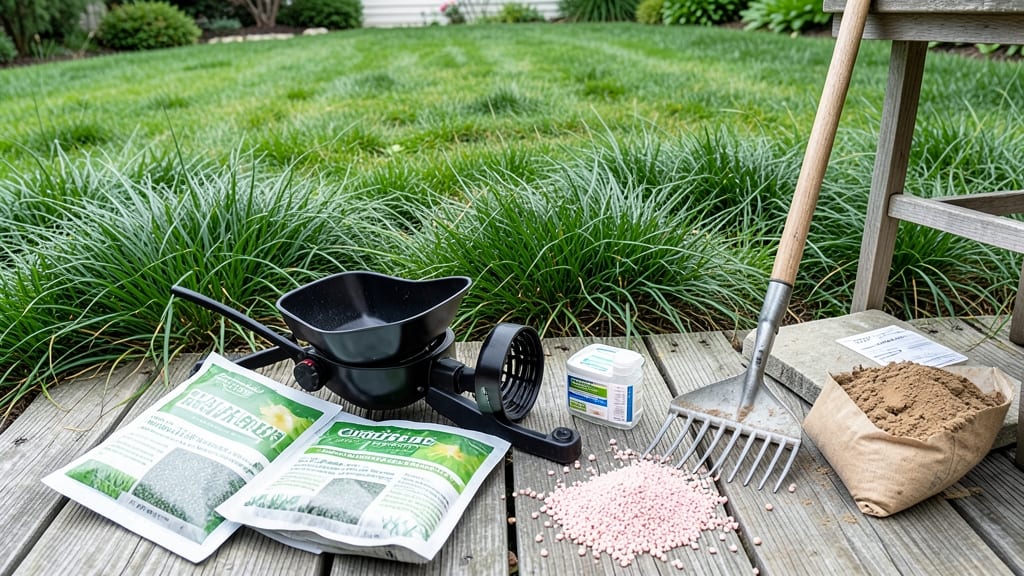
Planting grass seed in Michigan isn't just about grabbing a bag and scattering it—it's about timing it perfectly to outsmart the state's fickle weather, from sudden spring frosts to scorching summer heat. The wrong move could leave you staring at a patchy lawn or worse, a total failure.
But here's the good news: with the right approach, you can turn your yard into a lush, green carpet that lasts for years.
In Michigan's 5b-6b zones, the best time to plant grass seed hinges on two critical windows: early spring, right after the last frost (usually mid-April), and early fall, before the first frost hits (around mid-October).
These periods give your 🌱 grass seed the ideal conditions to germinate—cool soil temperatures and consistent moisture—without the stress of extreme heat or cold. But there's a catch: Michigan's microclimates vary wildly, so what works in Detroit might flop in the Upper Peninsula.
Whether you're prepping your lawn in the warmer southern regions or braving the cooler northern areas, understanding your local frost patterns and soil temperature thresholds is key.
I'll walk you through the exact steps to choose the right planting window for your specific corner of Michigan, plus how to prepare your soil for maximum success. No more guesswork—just a lawn that thrives.
Ready to skip the trial-and-error? Let's dive into the fastest way to get your grass seed planted at the perfect moment, tailored to your backyard's unique conditions. Your dream lawn starts here.
Michigan grass seed planting calendar by region: southern vs. northern microclimates
Michigan’s three distinct regions create wildly different planting conditions—what works in southern Michigan may fail in the Upper Peninsula. The key? Matching your last frost date with soil temperatures above 55°F (13°C).
Let’s break it down by zone so you plant at the perfect moment for fast germination and weed suppression.
Southern Lower Peninsula (USDA zones 5b-6b) enjoys earlier springs and warmer soils, while the Upper Peninsula (4a-5a) often waits until late May or June. Even within regions, urban heat islands can push planting dates 1-2 weeks earlier than rural areas.
Always check your local frost data—I use the Midwest Regional Climate Center for real-time updates.
For spring planting, aim for April–May in southern Michigan and late May–June in the north. Fall planting (September–October) is ideal for cool-season grasses like Kentucky bluegrass, giving seeds time to establish before winter.
But if you’re in the Upper Peninsula, fall planting risks early snow—stick to late August–early September there.
Here’s how each region stacks up for optimal planting windows, soil temps, and frost risk:
Pro tip: Use a soil thermometer to confirm temps—cool, damp soils delay germination. If your soil is below 55°F, wait or use a black plastic mulch to warm it faster. I’ve seen 30% faster sprouting with this trick in northern Michigan.
For fall planting, prioritize September over October—seeds need 4–6 weeks to establish before winter. In southern Michigan, late October plantings risk dormancy before roots develop. Always test your soil pH (ideal: 6.0–7.0) and amend with lime if needed—acidic soils stunt grass growth.
Regional variations don’t end with frost. Southern Michigan lawns face summer drought, while northern areas battle deer and rabbits. Use deer-resistant blends (like tall fescue) in rural zones. And if you’re in western Michigan, watch for wind erosion
Remember: Timing isn’t
How to choose the right grass seed type for Michigan’s climate and soil
Michigan’s climate demands cool-season grass varieties that thrive in USDA zones 5b-6b, but not all seeds perform equally. Southern Michigan’s warmer microclimates (like Detroit or Kalamazoo) can handle tall fescue blends, while northern regions (Traverse City or Marquette) need Kentucky bluegrass for resilience. Soil pH also plays a critical role—most Michigan lawns sit between 6.0 and 7.0, but buffalo grass tolerates alkaline soils better.Start by testing your soil’s pH and drainage. A simple DIY kit (available at garden centers) reveals if your lawn needs lime (to raise pH) or sulfur (to lower it).
For example, Kentucky bluegrass struggles in acidic soils (<5.5), while fine fescue thrives in shady, moist conditions common in Michigan’s forests. Drought-resistant mixes like tall fescue are ideal for southern counties facing summer heat waves or water restrictions.
Here’s how to match your grass seed to Michigan’s conditions:
- Southern Lower Peninsula (Zones 6a-6b): Opt for tall fescue blends (e.g., Turf-Type Tall Fescue) for heat tolerance and low maintenance.
- Northern Lower Peninsula/UP (Zones 5a-5b): Choose Kentucky bluegrass or perennial ryegrass for cold hardiness and fast germination.
- Shady Areas: Fine fescue or creeping red fescue outperform sun-loving grasses in wooded lots or urban backyards with limited light.
Avoid cheap seed mixes with weed fillers—Michigan’s cool, wet springs create perfect conditions for crabgrass if your lawn isn’t dense. Instead, invest in certified Michigan-friendly blends from trusted brands like Pennington or Scotts.
For urban lawns, perennial ryegrass germinates quickly (in 7–14 days), while Kentucky bluegrass takes 14–21 days but forms a thicker turf long-term.
Pro Tip: If your lawn has bare patches, overseed with a high-quality blend in early fall (September). Cooler temps and consistent rainfall boost germination rates by 30–40% compared to spring planting. Just remember: Water deeply 2x daily for the first 2 weeks to keep seeds moist but not waterlogged.
🌱