
Plants
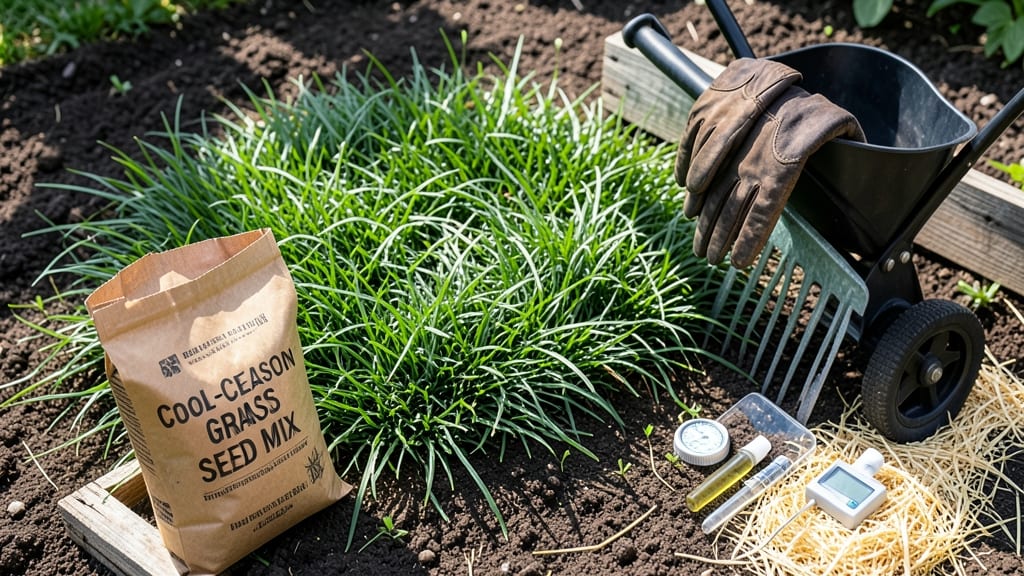
Planting grass seed in Utah feels like playing a high-stakes game of timing—get it wrong, and your 🌱 grass seed could end up fighting frost or wilting under scorching desert sun.
The best time to plant isn’t just about the calendar; it’s about matching your local microclimate to the perfect 50–65°F soil temperature window.
Whether you’re in the high desert valleys or the cooler mountain slopes of USDA Zones 5–8, the ideal planting window shifts dramatically.
Spring and fall offer the sweet spot, but knowing exactly when to pull the trigger—before the last frost or after summer’s heat—makes all the difference for fast, lush establishment.
I’ve dug into Utah’s unique climate quirks to break down the science behind early spring vs. early fall planting, including how elevation and rainfall patterns can push your timeline earlier or later. Let’s cut through the guesswork so you can plant with confidence—and watch your lawn thrive.
From soil prep to post-planting care, this guide covers everything you need to turn your Utah yard into a green oasis, no matter where you live in the state. Ready to get started?
Optimal Utah grass seed planting months by elevation zone (with soil temp guides)
Utah’s diverse elevations create three distinct planting zones, each with unique soil temperature requirements and frost risks. Low desert areas (3,000–5,000 ft) like St. George experience hotter springs, while high mountain regions (8,000+ ft) near Park City face late-season frosts.
Mid-elevation zones (5,000–8,000 ft), including Salt Lake City, offer a balanced window for cool-season grasses like tall fescue and Kentucky bluegrass.
For warm-season grasses such as Bermuda grass or buffalo grass, timing shifts to late spring (May) when soil temps consistently stay above 65°F. These varieties thrive in Utah’s southern deserts but struggle in cooler mountain climates.
Always check your local USDA hardiness zone (Utah spans zones 5–8) to refine your schedule.
Here’s the science-backed planting window for each elevation zone, including critical soil temperature thresholds and frost-free deadlines:
| Elevation Zone | Ideal Planting Months | Soil Temp Range (°F) | Last Frost Date | Best Grass Types |
|---|---|---|---|---|
| Low Desert (3,000–5,000 ft) | Late February–March or September–October | 50–65°F | March 15–April 1 | Bermuda, Buffalo, Zoysia |
| Mid-Elevation (5,000–8,000 ft) | March–April or September | 50–60°F | April 15–May 1 | Tall Fescue, Kentucky Bluegrass, Fine Fescue |
| High Mountain (8,000+ ft) | May–June or August–September | 45–55°F | June 1–July 1 | Ryegrass, Creeping Red Fescue |
In low desert zones, aim to plant cool-season grasses in late February to capitalize on Utah’s winter rains and avoid summer heat stress. For high mountain areas, extend your window to May–June to outpace late frosts, which can linger until July 1 at elevations above 9,000 ft.
Always use a soil thermometer to confirm temps are in the ideal range before seeding.
Pro tip: Pelletized seeds (coated for easier handling) are ideal for Utah’s windy conditions, while non-pelletized varieties may require extra soil contact. Adjust your watering schedule based on elevation—high mountain areas need less frequent watering due to lower evaporation rates.
If you’re in the Wasatch Front, like Salt Lake City, September is your best bet for fall planting. The monsoon season (July–August) provides natural moisture, reducing your irrigation workload. For southern Utah, like St. George, late February planting lets seeds germinate before the 100°F+ summers arrive.
Remember: Soil preparation is just as critical as timing. Utah’s alkaline soils often need gypsum or sulfur to lower pH before seeding. Test your soil 4–6 weeks before planting to avoid delays.
For warm-season grasses, like Bermuda grass, wait until soil temps hit 65°F+—typically late May in low deserts. These grasses go dormant in fall, so planting in September risks winter kill in cooler zones.
🌱
5 Critical factors that determine your exact planting date in Utah (beyond the calendar)
Utah’s planting calendar isn’t one-size-fits-all—your exact grass seed planting date depends on five key factors beyond just the month. From urban heat islands in Salt Lake City to the monsoon’s moisture boost, these variables can shift your ideal window by weeks.
Let’s break down how to adjust your timing based on local conditions to avoid common pitfalls like seedling washout or heat stress.
First, microclimates play a huge role. A backyard in Park City (8,000 ft) might still see frost in May, while a St. George garden (3,000 ft) could hit 90°F by April.
Even within cities, south-facing slopes warm up faster than shaded yards. Use a soil thermometer ($15 at garden centers) to confirm temps are in the 50–65°F range before planting—this overrides the calendar entirely.
Here’s how to fine-tune your planting date based on Utah’s unique conditions:
- 🌡️ Soil Temperature > Calendar Month
Wait for 50–65°F soil temps—not air temps. In low deserts, this might mean planting in March instead of February, even if the calendar says "early spring." - 🌧️ Monsoon Timing (July–August)
Fall plantings in southern Utah benefit from monsoon rains. If your area gets 1–2 inches of rain in August, you can push fall seeding to late September without extra irrigation. - 🏙️ Urban Heat Islands vs. Rural Cool
Cities like Salt Lake City can be 10°F warmer than rural areas just 10 miles away. Adjust your window 1–2 weeks earlier in urban zones. - 🌱 Grass Type Matters
Cool-season grasses (tall fescue, Kentucky bluegrass) need spring or fall planting. Warm-season (Bermuda, buffalo grass) thrive only when soil hits 65°F+ (typically late May in low deserts). - 💧 Water Source Reliability
If you rely on well water or face drought restrictions, plant in September to align with monsoon moisture. Avoid summer seeding—Utah’s evaporative drought will dry out seeds before germination.
For example, if you’re planting tall fescue in Ogden (4,300 ft), aim for mid-March when soil temps hit 50°F. But in Moab (4,000 ft), wait until late March—the red rock terrain heats up slower, and seeds risk drying out earlier.
Always check Almanac’s frost forecasts for your specific ZIP code to avoid late-season surprises.
Pro tip: Test your soil’s moisture-holding capacity before planting. Utah’s sandy soils (common in the west) drain quickly, while clay soils (eastern Utah) can suffocate roots. Amend with compost or peat moss to improve water retention, especially if you’re planting in dry spring months.
One common mistake? Planting cool-season grass in late spring because "it’s warm outside." By June, Utah’s 100°F+ days will shock seedlings into dormancy. Instead, use shade cloth if you must plant early, or switch to warm-season varieties for summer resilience.
🌿