
Plants
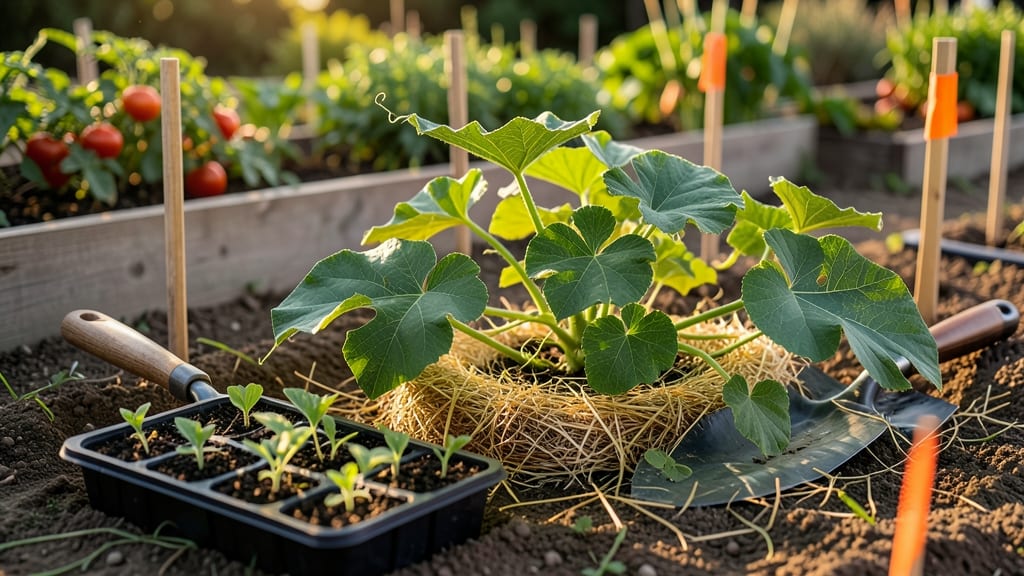
Planting your 🍉 watermelon at the wrong time in Florida can mean the difference between a thriving vine and a sad, wilted disappointment—especially when summer heat arrives faster than you expect.
I’ve learned the hard way that Florida’s 9a-11 climate lets you grow watermelons twice a year, but timing is everything. Too early, and your seeds rot in soggy soil; too late, and the vines struggle under the blazing sun.
The secret? Waiting until soil temps hit 70°F—that’s when germination speeds up and your plants take off.
Whether you’re a first-time gardener or a seasoned grower, I’ll break down the fastest planting windows for spring and fall, plus how to prep your soil for maximum success. No more guessing—just a foolproof plan to get those sweet, juicy melons growing strong.
Let’s dive into the exact months to plant, how to check soil temps, and why some gardeners swear by black plastic mulch to beat the heat. Your best harvest starts with the right timing—and trust me, you’ll want to get this right.
Optimal soil temperature ranges for planting watermelon seeds in Florida
Watermelon seeds thrive when planted in soil that’s warmed by Florida’s sun—but getting the timing right is everything. Unlike northern states, Florida’s year-round frost-free growing season means you can plant watermelons twice: once in spring and again in fall.
However, soil temperature dictates germination speed and plant health. If you plant too early, seeds rot; too late, and vines struggle in summer’s brutal heat.
For direct seeding (planting seeds directly into the ground), aim for soil temperatures between 70°F and 90°F (21°C–32°C). Watermelon seeds germinate best in this range, with 75°F (24°C) being the sweet spot for fastest sprouting.
In Florida’s North Zone (Panhandle), cooler nights in spring can delay germination, while South Florida’s heat can stress seedlings if planted too late.
If you’re using transplants (young plants from a nursery), wait until soil temps hit 65°F (18°C)—they’re slightly hardier but still benefit from warmer soil. Transplants give you a 2-3 week head start over direct seeding, which is ideal if you’re in a hurry for harvest.
However, transplant shock can be an issue in Florida’s humidity, so harden off seedlings properly.
Here’s how to test your soil temperature accurately: Use a soil thermometer (available at garden centers) and check temps 1 inch below the surface in the morning. If it’s below 70°F (21°C), wait—even if air temps feel warm.
Florida’s black plastic mulch can raise soil temps by 5–10°F, making it a game-changer for early spring plantings.
| Planting Method | Ideal Soil Temp | Germination Time | Florida Zone Notes |
|---|---|---|---|
| Direct Seeding | 70°F–90°F (21°C–32°C) | 5–10 days | Best in March–April (spring) and August–early Sept (fall). |
| Transplants | 65°F–80°F (18°C–27°C) | 7–14 days (established) | Use for North Florida (cooler springs) or late fall plantings. |
| Black Plastic Mulch | Raises soil by 5–10°F | 3–7 days (faster) | Critical for early spring in Panhandle and late fall in South Florida. |
Spring planting in Florida typically starts in mid-February to early May, with the fastest germination occurring in March and April when soil temps consistently stay above 75°F (24°C).
In North Florida (USDA Zones 8a–9a), wait until after the last light frost risk (mid-January)—though frost is rare, cold snaps can linger. For Central and South Florida (Zones 9b–11), you can plant as early as February, but monitor soil temps closely.
Fall planting is less common but can yield a second harvest if timed correctly. Aim for August to early September in North Florida and September to early October in South Florida.
Soil temps should still be above 70°F (21°C) for germination, but vines will mature faster in the cooler fall air, avoiding summer’s heat stress. If you plant too late (after mid-September), melons may not ripen before Florida’s hurricane season or cooler winter nights.
Pro tip: In South Florida’s Zone 10–11, watermelons can even be grown year-round with drip irrigation and shade cloth during peak summer (June–July). However, yields drop significantly in these months due to heat stress and pest pressure.
For most gardeners, sticking to spring and fall is the safest bet for a reliable harvest.
Remember, watermelon seeds need moist, warm soil to germinate. If your soil feels cool to the touch in the morning, it’s not ready—even if the air is warm. Use black plastic mulch or row covers to accelerate soil warming in early spring or late fall plantings.
With the right soil temps, you’ll see sprouts in as little as 3–5 days!
Optimal soil temperature ranges for planting watermelon seeds in Florida
Watermelon seeds in Florida need warm soil to germinate quickly—anything below 60°F (15°C) slows them down, while temps above 90°F (32°C) stress young seedlings. I’ve found that the sweet spot for planting is between 70°F–85°F (21°C–29°C), where germination happens in just 5–7 days instead of weeks.
Florida’s three climate zones (North, Central, South) each have slightly different timing needs. North Florida’s cooler winters mean you’ll need to wait until late March or April, while South Florida gardeners can start as early as mid-February.
Central Florida falls somewhere in between, with ideal planting in late February to early March.
To test soil temperature accurately, use a soil thermometer buried 2 inches deep. If your soil is too cool, try black plastic mulch or a cold frame to warm it up faster. I’ve seen this method speed up germination by 3–5 days in early spring plantings.
| Condition | North Florida | Central Florida | South Florida |
|---|---|---|---|
| Ideal Planting Temp | 70°F–85°F (21°C–29°C) | 70°F–85°F (21°C–29°C) | 70°F–85°F (21°C–29°C) |
| Minimum for Germination | 60°F (15°C) | 60°F (15°C) | 60°F (15°C) |
| Best Spring Window | Late March–April | Late February–March | Mid-February–March |
| Best Fall Window | August–Early Sept | August–Early Sept | Late July–August |
| Germination Speed | 5–7 days (70°F+) | 5–7 days (70°F+) | 4–6 days (75°F+) |
Spring planting in Florida offers the fastest growth, but fall plantings can also succeed if you start seeds indoors in July and transplant when soil temps drop below 90°F (32°C).
I’ve had great luck with late summer plantings using shade cloth to protect young vines from the harsh afternoon sun.
If you’re in doubt about your soil temperature, err on the side of waiting. Watermelons hate cold soil, and slow germination invites pests like squash bugs. Once your seeds sprout, they’ll grow fast—so don’t rush the process!