
Planting
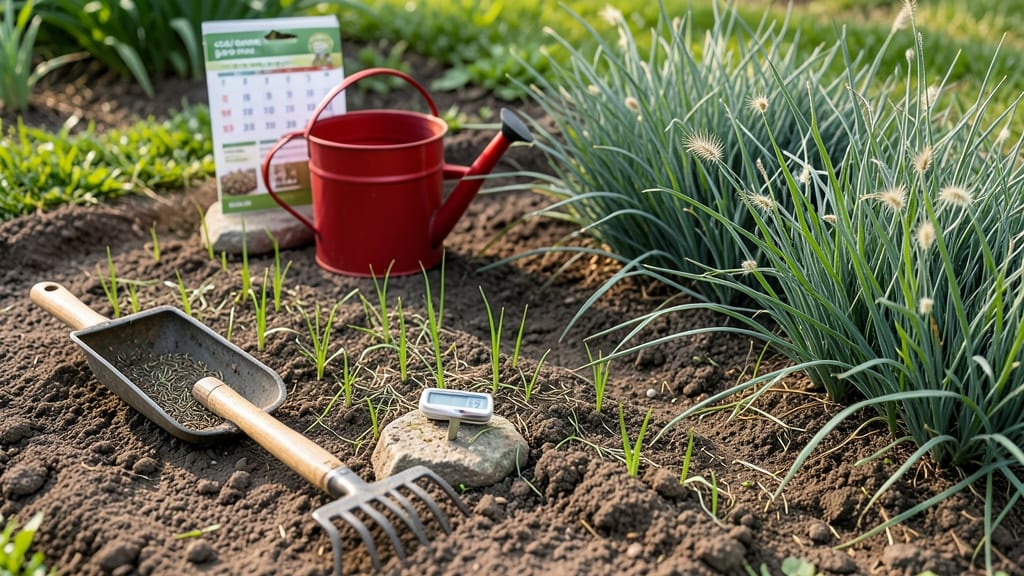
Planting grass seed in Ohio at the wrong time can turn your green dreams into a patchy disappointment—but timing it right means faster germination and a lush lawn in just weeks.
The key isn’t just picking a season; it’s understanding how Ohio’s 50-65°F soil temperatures create the perfect window for cool-season grasses like Kentucky bluegrass to thrive.
Most Ohio gardeners know spring and fall are the best times, but did you realize early fall (after Labor Day) often outperforms spring? That’s because cooler temps and consistent rainfall give grass roots a head start before winter.
Meanwhile, planting in late spring risks summer heat stress, leaving your seed struggling to establish.
I’ll walk you through Ohio’s ideal planting months, soil prep secrets, and how to adjust for your specific zone—whether you’re in colder Zone 6a or warmer southern regions. Skip the guesswork and get your lawn off to a fast, healthy start with these pro tips.
From testing soil temps to avoiding common mistakes, this guide covers everything you need to know to plant grass seed when it’ll actually grow. Let’s get your Ohio lawn looking its best—starting with the right timing.
Ideal soil temperature ranges for planting grass seed in Ohio
Ohio's cool-season climate means timing grass seed planting around soil temperatures is everything. Most cool-season grasses like Kentucky bluegrass and tall fescue germinate best when soil temps sit between 50°F and 65°F.
Warmer soils can cause seeds to dry out before sprouting, while colder temps slow germination to a crawl.
Northern Ohio (Zone 5) typically hits these ideal temps 4-6 weeks before the last frost, usually in early April. Southern Ohio (Zone 6) often sees perfect conditions 2-3 weeks earlier, around mid-March. Always check a soil thermometer—don't guess!
For fall planting, aim for late August to mid-September when soil temps drop back into that sweet spot. This gives grass 4-6 weeks of growth before winter dormancy. If you plant too late, young roots won't establish strong enough for winter survival.
Here’s a quick Ohio soil temperature checklist to avoid common mistakes:
| Season | Soil Temp Range (°F) | Best Grass Types | Ohio Planting Window |
|---|---|---|---|
| Spring | 50°F–65°F | Kentucky bluegrass, Tall fescue, Perennial ryegrass | Late March–mid-April (North Ohio) Mid-March–early April (South Ohio) |
| Fall | 50°F–65°F | All cool-season grasses | Late August–mid-September |
| Summer | Above 70°F | None (unless overseeding with warm-season grasses) | Avoid—seeds dry out or rot |
| Winter | Below 40°F | None (dormant season) | Wait for spring |
If your soil is too cold, cover seeds with lightweight row covers or straw to warm them slightly. But never use plastic—it traps moisture and causes rot. For too-warm soils, delay planting until temps drop naturally or use shade cloth to protect seeds.
Ohio’s clay-heavy soils can retain heat longer, so test temps in multiple spots. Early morning is the best time to check—soil temps lag behind air temps. If you’re unsure, use a soil thermometer for 3–5 days to confirm consistency.
Pro tip: Water deeply after planting to draw heat from the soil surface. Aim for 1/2 inch of water daily until germination. This keeps soil temps stable and seeds hydrated. Mulch lightly with straw to retain moisture without overheating the soil.
Remember, cool-season grasses like Kentucky bluegrass thrive in Ohio’s climate, but they need the right soil conditions to succeed. Planting at the wrong time can lead to thin, patchy lawns or even failed germination. With the right timing and soil temps, you’ll see uniform germination in 7–14 days.
Best planting months in Ohio by grass type and climate Zone
Ohio’s diverse climate zones (5-6) mean your best planting window depends on whether you’re in northern colder regions or southern warmer areas. Cool-season grasses like Kentucky bluegrass and tall fescue thrive when planted in early spring (March-April) or early fall (September-October), but timing shifts slightly based on your zone.
For Zone 6a (most of Ohio), late August to early September is ideal—giving grass 6-8 weeks to establish roots before winter. Meanwhile, southern Ohio (closer to Zone 6b) can extend planting into mid-October without risking frost damage.
Spring planting works too, but aim for 4-6 weeks before your last frost date (typically mid-April in northern Ohio).
Here’s how to match your grass type to Ohio’s best planting months, plus how to adjust for drought or heatwaves that can derail germination.
| Grass Type | Best Planting Months | Zone 6a (North OH) | Zone 6b (South OH) | Drought Tip |
|---|---|---|---|---|
| Kentucky Bluegrass | Early Spring / Early Fall | March-April / Aug-Sept | April / Sept-Oct | Water daily for 2 weeks |
| Tall Fescue | Early Spring / Early Fall | March-April / Sept | April / Sept-Oct | Mulch with straw to retain moisture |
| Perennial Ryegrass | Early Fall Only | Aug-Sept | Sept-Oct | Use drip irrigation for consistency |
| Fine Fescue | Late Summer / Early Fall | Aug-Sept | Sept-Oct | Avoid planting in heatwaves (wait for 75°F soil) |
If you’re planting in late spring (May-June), be prepared for summer heat stress. Grass seed struggles to germinate when soil temps exceed 75°F, so opt for shade-tolerant varieties like fine fescue or use row covers to protect seedlings.
For drought-prone areas, choose deep-rooted grasses like tall fescue and water deeply 2-3x per week instead of daily light sprinkles.
Pro tip: Check your local Ohio State Extension forecast for 7-day soil temp predictions—this helps avoid planting when unexpected heatwaves or frost risks could derail germination.
For example, planting Kentucky bluegrass in late May in northern Ohio might mean battling 90°F soil temps by June, slowing growth by 30%.
Remember, fall planting (especially September) often gives 20% faster establishment than spring because cooler temps reduce weed competition and disease pressure. If you miss the fall window, don’t wait until December—seedlings won’t survive winter. Instead, hold off until March for a fresh start.