
Plants
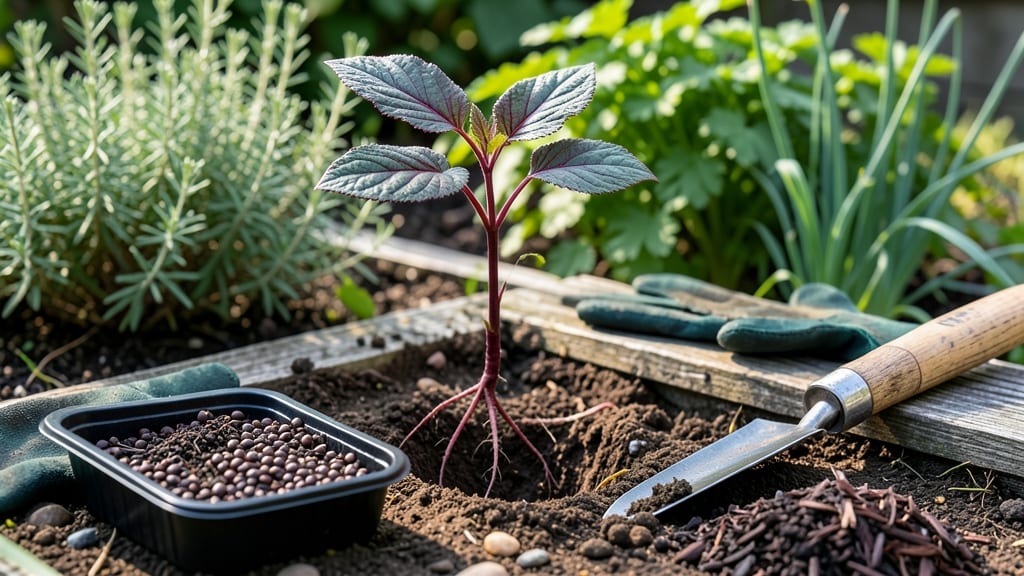
Planting beets in the fall can mean the difference between sweet, tender roots and tough, bitter ones—because timing is everything, and missing this 4-week window before frost is a recipe for disappointment.
If you're in USDA Zone 6a like me, you know that 🥕 beets thrive when planted 8-12 weeks before your first frost, which for most gardens lands in late August or early September.
That window ensures roots mature just right—crisp, flavorful, and ready for harvest before the cold sets in.
But here’s the catch: Plant too early, and your beets might bolt or taste bitter. Too late, and they’ll stay small or turn woody. I’ll show you exactly how to nail that sweet spot, from soil prep to spacing, so you end up with the harvest of your dreams.
Let’s dive into the secrets of fall beet planting—because the right timing turns a simple garden task into a flavor-packed victory.
The exact 4-Week pre-frost window for planting fall beets
Timing is everything when it comes to fall beet planting, and the 4-week window before your first frost is your golden opportunity. For most regions in USDA Zones 3-10, this means starting seeds between late July and early September, depending on your local climate.
My garden in Zone 6a, for example, gets its best results when I plant in mid-August, giving roots plenty of time to mature before the first hard frost hits.
This window ensures beets have 50-70 days to grow—long enough for roots to reach 1-3 inches in diameter and develop that sweet, tender texture we all love. Plant too early, and you risk bolting (going to seed) or bitter flavors.
Too late, and your beets will stay small or turn woody. The key is balancing root development with cool fall temperatures.
To find your exact window, check your average first frost date (use the USDA Plant Hardiness Zone Map or local agricultural extensions). Subtract 8-12 weeks from that date to pinpoint your planting start.
For instance, if frost hits October 15th, aim to plant by August 15th for a mid-September harvest.
Pro tip: Use succession planting every 2 weeks after your initial sowing. This stretches your harvest through fall, ensuring a steady supply of fresh beets.
I’ve found that planting in two batches—one in late July and another in early August—gives me beets ready to pull in September and October.
🌱 Fall Beet Planting Timeline by USDA Zone
| Zone | First Frost Date | Planting Window | Harvest Window | Notes |
|---|---|---|---|---|
| 3-4 | Oct 1 - Oct 15 | Aug 1 - Aug 15 | Sep 15 - Oct 15 | Use row covers for extension |
| 5-6 | Oct 15 - Oct 30 | Aug 15 - Sep 1 | Sep 20 - Oct 15 | Ideal for Detroit Dark Red |
| 7-8 | Nov 1 - Nov 15 | Sep 1 - Sep 15 | Oct 1 - Nov 1 | Try Golden varieties |
| 9-10 | Nov 15 - Dec 1 | Sep 15 - Oct 1 | Oct 15 - Nov 15 | Extend with cold frames |
Microclimates can shift your ideal window by 1-2 weeks, so observe your garden’s unique conditions. South-facing beds warm up faster, while north-facing spots may need an earlier start. I’ve also noticed that urban areas often have 2-3°F warmer microclimates than rural zones, delaying frost by up to a week.
For container gardening, adjust your timeline 1 week earlier since pots can cool faster. Beets in containers also need consistent moisture, so plan for daily watering during dry spells. My balcony beets in Zone 6a thrive when I start them by August 1st and use self-watering pots.
Don’t forget to harden off seedlings for 5-7 days before transplanting. This toughens young plants so they can handle fall temperature swings. I place mine in a shady spot outdoors during the day and bring them back inside at night, gradually increasing their exposure.
Finally, mark your calendar for harvest time, which should be 2-3 weeks before your first frost. Beets left in the ground too long can develop a woodier texture and lose sweetness.
Pull them when roots are 1-3 inches wide and leaves are 4-6 inches tall—this ensures peak flavor and tenderness.
With this precise timing, you’ll enjoy homegrown beets that rival store-bought in flavor—and maybe even surpass them! 🥕
The exact 4-Week pre-frost window for planting fall beets
To grow the sweetest fall beets, you need to plant them 8-12 weeks before your first frost date. This window ensures roots mature fully before cold sets in, preventing tough, woody textures.
For USDA Zone 6a, that’s typically late August to early September, but your exact dates depend on your local climate.
Check your average first frost date using the USDA Plant Hardiness Zone Map or local agricultural extensions. For example, in Zone 5, aim for mid-August, while Zone 8 gardeners can plant until mid-October.
The goal is to harvest before hard frost—28°F or below—when roots turn mushy.
| USDA Zone | Planting Window | Harvest Window | Notes |
|---|---|---|---|
| 3-4 | Late July - Early August | September - Early October | Use cold-hardy varieties like 'Purple Top White Globe' |
| 5-6 | Mid-August - Early September | October - Mid-November | Ideal for 'Detroit Dark Red' and 'Golden' |
| 7-8 | Late August - Mid-September | November - December | Extend harvest with row covers |
| 9-10 | September - October | December - January | Plant for winter harvests |
For continuous harvests, use succession planting every 2-3 weeks within your frost window. Start with a small batch 8 weeks before frost, then repeat every 3 weeks. This ensures a steady supply of fresh beets without overcrowding your garden.
If your frost date is unpredictable, err on the side of earlier planting. Beets grow slower in cooler temps, so starting too late risks small, underdeveloped roots. Use row covers or mulch to extend the season if needed.
Pro tip: Plant beets in well-draining soil with a pH of 6.0-7.0 and enrich it with compost before sowing. This boosts root development and sweetness—key for fall harvests.