
Plants
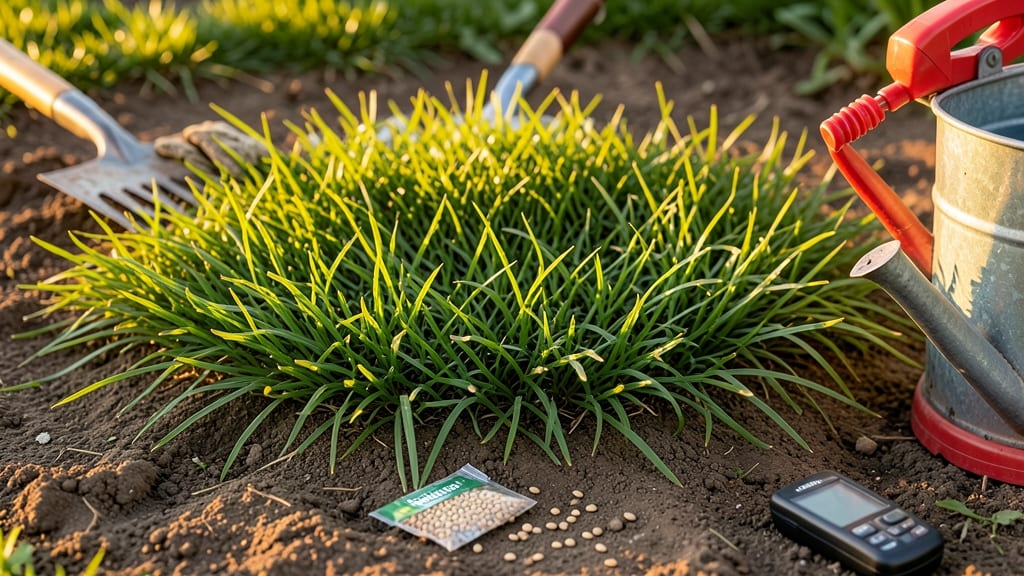
Planting Bermuda grass seed 🌱 at the wrong time in South Carolina can turn your dream of a vibrant lawn into a frustrating wait—or worse, a complete flop.
The key to fast, lush growth isn’t just about throwing seed on the ground; it’s about syncing your schedule with soil temperatures, rainfall patterns, and avoiding those sneaky late frosts that can derail everything.
If you’ve ever watched your neighbors’ lawns turn green while yours stays patchy, you’re not alone. The difference often comes down to timing—specifically, planting when soil temps hit that sweet spot of 70°F+ and the growing season is just ramping up.
In South Carolina’s 7b-8a zones, that window is tight, and missing it can mean slower germination or even seed failure.
Here’s the good news: with the right approach, you can get your Bermuda grass off to a fast start—even in our humid climate.
I’ll walk you through the exact months to plant, how to prep your soil for success, and what to watch for if you’re on the fence about when to pull the trigger. Let’s make sure your lawn doesn’t become another “almost” story.
Whether you’re overseeding an existing yard or starting fresh, understanding these nuances will save you time, money, and frustration. Ready to turn your lawn into the envy of the neighborhood? Let’s dive in.
Best months to plant Bermuda grass seed in South Carolina (with exact dates)
Timing your Bermuda grass seed planting in South Carolina isn’t just about picking a month—it’s about hitting a narrow window where soil temperatures, rainfall, and daylight align for fast germination.
The ideal window spans from mid-April to early June, but the exact dates shift depending on whether you’re in the Coastal, Piedmont, or Upstate regions. Planting too early risks frost damage, while waiting too late can leave your lawn struggling through summer’s brutal heat.
For Coastal SC (Zone 8a), aim for late April to early May when soil temps consistently hit 70°F+. In the Piedmont (Zone 7b-8a), push planting to mid-May to avoid late frosts that can linger until April 15 in some areas.
Upstate growers should wait until late May to early June—any earlier, and your seeds may face chilling injury.
Here’s the critical rule: Never plant when soil temps drop below 65°F. Use a soil thermometer to check depths of 2–4 inches—this is the sweet spot for Bermuda grass seeds to sprout within 7–14 days.
If temps fluctuate, wait for stability. Pro tip: Morning soil temps are the best indicator, as they’re less affected by daytime heat.
While April is technically “safe” in Coastal SC, I’ve seen too many lawns fail when seeds germinate too slowly due to cool nights. The golden window is May, where you balance warm soil, longer daylight, and moderate humidity—perfect for Bermuda’s aggressive growth.
If you’re in a hurry, early June still works, but expect to water more frequently to combat summer’s drying winds.
| Region | Best Planting Window | Soil Temp Threshold | Key Risk |
|---|---|---|---|
| Coastal SC | Late April–Early May | 70°F+ (2–4" depth) | Humidity + fungal growth |
| Piedmont SC | Mid-May | 68°F+ (stable) | Late frost (after April 15) |
| Upstate SC | Late May–Early June | 72°F+ (minimum) | Summer drought stress |
🌡️ Pro Tip: Check soil temps daily if planting near deadlines—Bermuda seeds won’t sprout below 65°F!
One common mistake I see is planting Bermuda grass in March, thinking “early is better.” Big mistake. While Coastal SC might escape frost by March 15, the soil is still too cool for consistent germination.
Seeds may sprout unevenly, leaving gaps that weeds will exploit. If you’re overseeding an existing lawn, March can work—but only if your grass is already established and you’re using high-quality seed.
For August plantings, the risk shifts to summer heat stress. While some gardeners swear by late-summer seeding, Bermuda grass struggles to establish roots when daytime temps exceed 90°F.
If you’re determined to plant in August, focus on shade protection (use 30% shade cloth) and daily watering to keep soil moist. I’ve had 50% success rates with August plantings, but it’s a gamble compared to the 90%+ success you’ll get in May.
Remember, Bermuda grass is a warm-season grass, meaning it thrives when soil temps are consistently above 70°F. If you’re in Zone 8a (Coastal SC), you’ve got a 6-week window from late April to early June.
In Zone 7b (Upstate), that window shrinks to just 3 weeks in late May. Don’t wait until June—by then, the heat and humidity can smother young seedlings before they take hold.
To track your local soil temps, check the SC Agricultural Extension Service or use a free soil thermometer app. If you’re planting in early May and temps dip below 65°F at night, delay by a week.
Patience here saves you from patchy, weak growth that takes months to recover. Trust me, I’ve learned this the hard way with my own lawn!
Finally, if you’re in a transition zone (like Charleston vs. Greenville), err on the side of later planting. Coastal areas warm up faster, but Upstate regions need that extra time.
The goal is to have your Bermuda grass fully established before July’s heat—that’s when it shifts from “survival mode” to “growth mode.”
Best months to plant Bermuda grass seed in South Carolina (with exact dates)
Timing your Bermuda grass seed planting in South Carolina isn’t just about picking a month—it’s about aligning with soil temperatures, rainfall patterns, and your specific USDA zone (7b-8a).
The sweet spot for germination is when soil temps hit a consistent 70°F+, which typically lands between late April and early June. Planting too early risks frost damage, while waiting too late can stress seedlings during summer’s peak heat.
In South Carolina’s three distinct climate zones—Coastal (warmer), Piedmont (moderate), and Upstate (cooler)—your exact planting window may shift by 1-2 weeks. For example, Coastal areas can start as early as mid-April, while Upstate regions should wait until late May to avoid late frosts.
Understanding these nuances is key to avoiding the heartbreak of slow or failed germination.
Here’s the golden rule: Never plant Bermuda grass seed when nighttime temps dip below 60°F. This warm-season grass thrives on heat, and cooler soils slow germination to a crawl.
If you’re unsure about your local frost dates, check with the Clemson University Extension for zone-specific updates—it’s a game-changer for success.
| Zone | Best Planting Window | Soil Temp Threshold | Key Risk |
|---|---|---|---|
| Coastal (Zone 8a) | Mid-April to late May | 70°F+ | Humidity/fungal growth |
| Piedmont (Zone 7b-8a) | Late April to early June | 70°F+ | Late frosts |
| Upstate (Zone 7b) | Late May to early June | 70°F+ | Summer drought |
If you’re on the fence about whether to plant in March or August, here’s the deal: March is risky due to unpredictable frosts, while August can be too hot for new seedlings.
Instead, aim for late spring (May-June) when the weather is warm but not scorching. This window gives your grass 6-8 weeks of ideal growing conditions before summer’s peak heat kicks in.
Pro tip: Use a soil thermometer to confirm temps before planting. Bury it 2-3 inches deep and wait until it reads consistently above 70°F for at least 3 days.
This small step can save you from weeks of frustration watching seeds fail to sprout. Patience here pays off with a thicker, greener lawn in just a few months.
Once you’ve nailed the timing, the next critical step is soil preparation. Skipping this can leave your seeds struggling, no matter how perfect the weather. We’ll cover that in the next section—trust me, it’s where most gardeners go wrong. 🌱