
How To
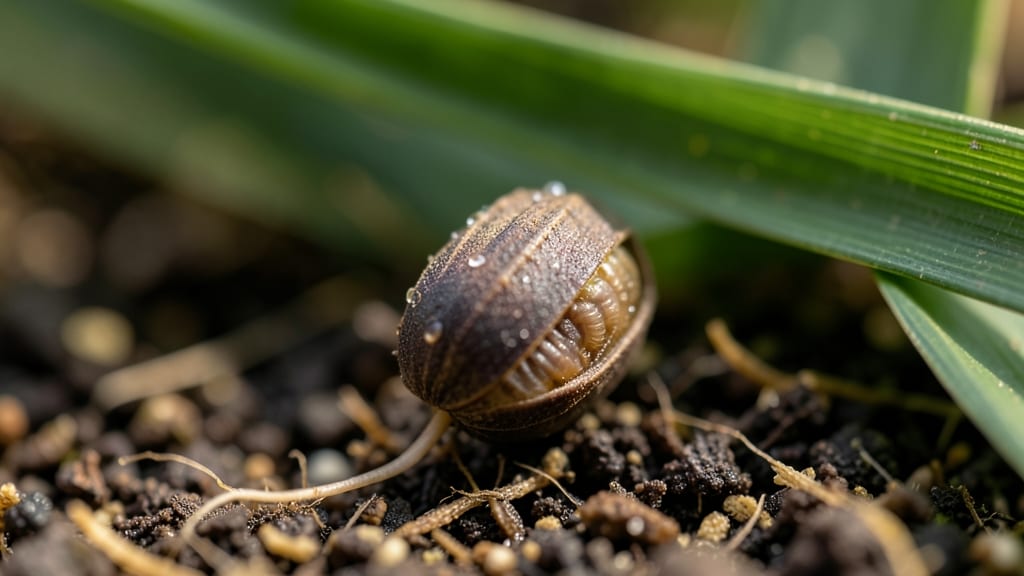
Planting centipedegrass seed in Georgia at the wrong time can turn your lawn dreams into a soggy, patchy mess—especially when the heat and humidity kick in too soon.
This warm-season grass thrives when soil temperatures hit 70°F+, which means timing is everything for strong germination and a lush, low-maintenance lawn.
Most Georgia gardeners swear by late spring (April to May) as the sweet spot, but even that varies by region.
Whether you're in USDA zones 7b-8b or dealing with North Georgia's cooler pockets, getting the seed in the ground too early risks frost damage, while waiting too long means struggling with summer's brutal heat.
I’ve seen firsthand how a 5-minute soil check before planting can make or break your centipedegrass success. The key isn’t just the calendar—it’s understanding your local microclimate, from rainfall patterns to how quickly your soil warms up after the last frost (March 15 in most areas).
In this guide, I’ll break down the exact window for planting, soil prep secrets, and how to keep your new grass thriving through Georgia’s infamous summer humidity. Let’s get that lawn growing right the first time.
Best planting months for centipede grass seed in Georgia’s climate zones
Centipedegrass thrives in Georgia’s USDA zones 7b-8b, but timing is everything. Planting too early risks frost damage, while waiting too long means scorching heat. The sweet spot is late spring when soil warms to 70°F+—typically mid-April to early June—but regional differences matter.
North Georgia’s cooler microclimates (like zone 7b) favor April-May planting, while South Georgia’s zone 8b can extend to early June. Check your last frost date (usually mid-March) and wait 4-6 weeks before sowing for best results.
Centipedegrass is a warm-season grass, meaning it germinates fastest in 75-85°F soil. Use a soil thermometer to confirm warmth—cold soil delays germination by weeks. In humid Georgia summers, planting in late afternoon reduces seed stress from afternoon heat.
Missed the spring window? Fall planting is risky—centipedegrass struggles to establish before winter dormancy. If you must plant later, use established sod instead of seed for faster coverage.
Rainfall patterns also influence timing. Georgia’s April showers provide ideal moisture, but June heat can dry seeds too quickly. Aim for 0.5-1 inch of rain weekly or supplement with drip irrigation during dry spells.
| Zone | Ideal Planting Window | Soil Temp Requirement | Rainfall Needs | Key Risk |
|---|---|---|---|---|
| 7b (North GA) | Mid-April to May 15 | 70-75°F | 0.5-1" weekly | Late frost damage |
| 8a (Central GA) | Late April to early June | 75-80°F | 0.75-1.25" weekly | Drought stress |
| 8b (South GA) | Early May to June 10 | 80-85°F | 1-1.5" weekly | Heat shock |
🌱 Pro Tip: Test soil moisture daily—centipedegrass seeds need constant dampness for 2-3 weeks post-planting.
For urban Atlanta yards (zone 7b-8a), aim for April 20-May 10—this balances soil warmth and rainfall. In coastal Savannah (zone 8b), extend planting to June 1 if you’re prepared to shade seedlings from intense afternoon sun.
Centipedegrass germinates in 14-21 days under ideal conditions, but slow germination (3+ weeks) often signals cool soil or low moisture. Use a clear plastic mulch to trap heat and retain moisture during critical early weeks.
After germination, centipedegrass spreads via stolons, so thin seedlings to 6-8 inches apart by 8 weeks. This prevents competition and encourages a dense, weed-resistant lawn—a key reason Georgia homeowners love this grass.
Remember: No fall planting. Centipedegrass enters dormancy by October and won’t recover if seeded late. If you’re starting fresh, spring is your only shot—but with the right timing, you’ll have a lush, low-maintenance lawn by summer.
Best planting months for centipede grass seed in Georgia’s climate zones
Georgia’s USDA zones 7b-8b create a perfect warm-season playground for centipedegrass—but only if you plant at the right time. The ideal window is late spring, when soil temperatures consistently hit 70°F+ and the last frost (March 15) has passed.
This grass is a warm-season lover, so planting too early risks frost damage, while waiting too long means battling summer’s heat stress.
For North Georgia (7b), aim for mid-April to early May when nights stay above 55°F. In South Georgia (8b), you can push planting slightly later—late April to mid-May—thanks to warmer soil.
I’ve seen centipedegrass seeds planted in June still germinate, but growth slows dramatically in Georgia’s 90°F+ summers, leading to thin, weak patches.
Don’t let Georgia’s humidity fool you—centipedegrass needs dry soil to germinate. Planting in April or May gives seeds the best shot at moisture without drowning in post-rain sogginess. A quick soil check with your finger (if it’s dry 1-2 inches down) is your green light to plant.
🌱
Georgia Centipedegrass Planting Timeline
| Zone | Best Planting Months | Soil Temp Requirement | Rainfall Tip |
|---|---|---|---|
| North GA (7b) | Mid-April to Early May | 70°F+ (consistent) | Wait 3 days after rain |
| Central GA (7b-8a) | Late April to Early May | 70°F+ (soil probe check) | Avoid planting after heavy rain |
| South GA (8b) | Late April to Mid-May | 70°F+ (warmer soil) | Use drip irrigation if dry |
Pro tip: Use a soil thermometer to confirm 70°F+ before planting—this is non-negotiable for centipedegrass. I’ve seen seeds planted in March in South Georgia sprout, but they bolted (shot up too fast) when temperatures dipped, leaving weak, uneven growth. Consistency is key—wait for stable warmth.
If you miss the spring window, June planting is possible but risky. Seedlings struggle to establish roots before summer’s heat and drought set in. For a backup plan, consider sod instead—it establishes faster and handles Georgia’s summer stress better than seeds.
🌡️