
Plants
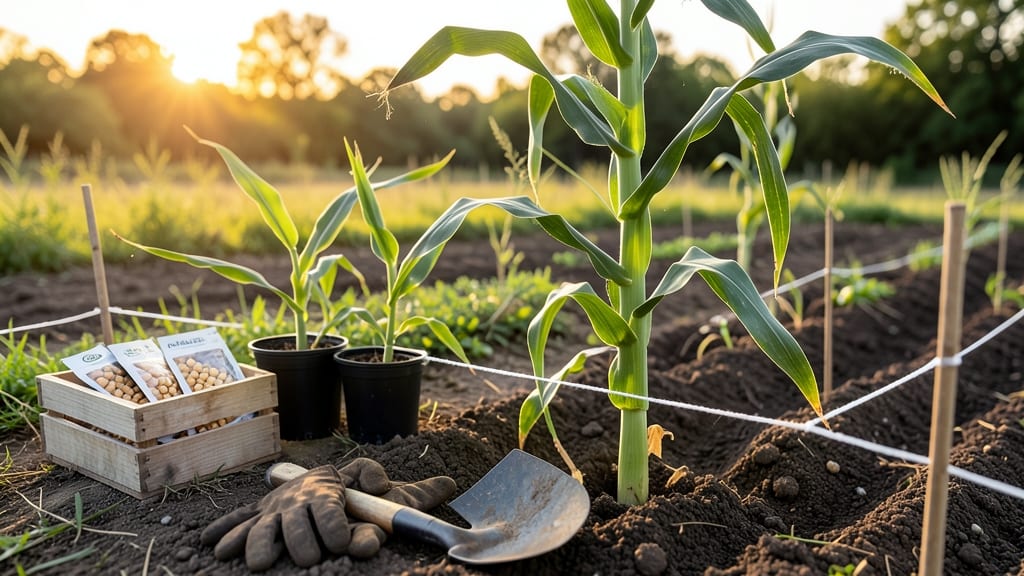
Planting corn in Idaho at the wrong time can mean the difference between a bumper crop and a total bust—especially when last frost dates shift from mid-May in Boise to late June in mountain valleys.
If you’ve ever watched your tender seedlings wilt overnight, you know how brutal a surprise frost can be. The good news? With the right timing, even Idaho’s short growing season can yield sweet, plump ears of 🌽 corn.
Most Idaho gardeners swear by planting between mid-April and early June, but that’s a broad window for a state with such diverse climates.
High-desert areas like Twin Falls need to wait until soil warms to 60°F, while northern zones like Coeur d’Alene can start earlier if you’re lucky with an early spring.
The key is matching your planting date to your microclimate—and knowing when to pull the trigger before summer’s heat sets in.
In this guide, I’ll break down the exact planting windows for Idaho’s five major zones, plus pro tips for adjusting to late frosts or drought.
Whether you’re a first-time gardener or a veteran grower, these deadlines will help you avoid the most common mistakes—like planting too early and risking frost damage or waiting too long and ending up with stunted ears. Let’s get those seeds in the ground at the perfect moment.
Ready to turn your Idaho garden into a corn patch? You’ll learn how to read frost charts, choose the right varieties for your elevation, and even extend your harvest window with simple tricks. By the end, you’ll know exactly when to plant for maximum yields—no guesswork required.
Idaho corn planting dates by microclimate zone (with frost risk charts)
Idaho’s five distinct microclimates mean your corn planting window can vary by 6 weeks or more. Whether you’re in the warm Snake River Valley or the cool mountain valleys, timing is everything.
The key is planting after the average last frost date—but with Idaho’s unpredictable weather, I recommend waiting until soil temperatures hit 60°F+ and nighttime lows stay above 50°F.
For most Idaho gardeners, that means starting seeds indoors 4-6 weeks before the last frost date in your area. If you’re direct-sowing (which I prefer for corn), aim for mid-April to early June, but adjust based on your zone.
Let’s break it down by region so you can plant with confidence.
| Zone | Last Frost Date | Planting Window | Soil Temp Trigger | Frost Risk |
|---|---|---|---|---|
| Southern Idaho (Boise, Twin Falls) | Mid-May | Late April - Early May | 60°F+ | Low (after May 15) |
| Central Idaho (Meridian, Nampa) | Late May | Early May - Mid-May | 60°F+ | Moderate |
| Northern Idaho (Coeur d’Alene, Moscow) | Early June | Mid-May - Early June | 55°F+ (earlier zones) | High (before June 10) |
| Mountain Valleys (Sun Valley, McCall) | Late June | Early June - Mid-June | 65°F+ (warmer microclimates) | Very High (before July 1) |
| High Desert (Burley, Gooding) | Late May - Early June | Late May - Early June | 65°F+ (dry heat) | Moderate (wind risk) |
If you’re in Southern Idaho, you can start planting as early as late April, but wait until soil temperatures are stable at 60°F to avoid slow germination.
In Northern Idaho, I’ve seen gardeners rush to plant in mid-May only to lose seedlings to late frosts—so err on the side of caution and wait until early June if in doubt.
For mountain valleys, the short growing season means you’ll need to focus on early-maturing varieties (60-75 days to harvest). Plant no later than mid-June, or risk ears that never fully develop before frost.
The high desert presents unique challenges with its dry heat, so mulch heavily to retain moisture and consider drip irrigation for consistent watering.
Pro tip: Use a soil thermometer to confirm temperatures—corn seeds won’t sprout below 50°F, and ideal germination happens at 60°F+. If your soil is still cold, wait it out or use black plastic mulch to warm the ground faster.
Remember, these dates are averages. Check your local USDA Plant Hardiness Zone map and add a 2-week buffer if your area has a history of late frosts. For real-time updates, I recommend signing up for NOAA frost alerts or using apps like Farmer’s Almanac.
Once you’ve nailed down your planting window, the next step is choosing the right corn varieties for your zone. Some varieties thrive in Idaho’s heat, while others struggle—we’ll cover the best picks in the next section.
How to adjust corn planting for Idaho’s unpredictable weather patterns
Idaho’s weather can throw curveballs—one year you’re planting in early April, and the next, late May frosts threaten to wipe out your seedlings. The key to surviving these swings is flexibility.
I’ve learned that even the most experienced Idaho gardeners have a Plan B ready for late springs or early frosts. The good news? With the right adjustments, you can still grow corn successfully, even when Mother Nature doesn’t cooperate.
First, always monitor your local soil temperature. Corn seeds need soil that’s at least 60°F to germinate properly. Use a soil thermometer—it’s a small investment that can save your entire crop.
In cooler zones like Northern Idaho, you might need to wait until early June, while Southern Idaho can start as early as mid-April. The rule of thumb? Don’t rush—waiting a week to plant at the perfect temperature beats watching seedlings rot in cold soil.
🌱
⚠️ Late Spring? Don’t Panic—Here’s What to Do
Problem: Your usual planting window has passed, but soil is finally warm.
Solution: Switch to fast-maturing varieties (60-75 days to harvest) like 'Early Sunglow' or 'Silver Queen.' These can still produce ears before the first frost if planted by mid-June in most zones.
Pro Tip: Use black plastic mulch to warm soil faster and extend your season by 2-3 weeks.
If frost threatens after planting, don’t despair. Corn is surprisingly resilient once it’s past the seedling stage. A light frost (below 32°F) can damage young plants, but established corn can handle 28°F without major harm.
For extra protection, cover seedlings with row covers or old blankets during cold snaps. I’ve seen gardeners in Mountain Idaho use this trick to save crops even when frost hits in early June.
Drought is another Idaho wildcard. Corn needs 1-2 inches of water weekly, especially during tasseling and silking. If rain is scarce, prioritize deep watering in the morning to reduce evaporation. In High Desert areas, consider drip irrigation—it delivers water directly to roots and cuts waste.
Even in wetter zones, never let soil dry out completely, or your ears will stay small and tough.
For gardeners in high-altitude zones (like Sun Valley or McCall), the growing season is even shorter. Here, I recommend planting early varieties like 'Bodacious' (70 days) and using season-extending tools like cold frames or greenhouses.
These tricks can add 3-4 weeks to your harvest window, making all the difference in Idaho’s cooler climates.
Finally, keep an eye on the weather forecast and adjust your planting dates accordingly. If a late frost is predicted, delay planting by 1-2 weeks. If summer heat arrives early, opt for shorter-season varieties to avoid stress. With these strategies, you’ll turn Idaho’s unpredictable weather into an advantage—not a setback.