
Plants
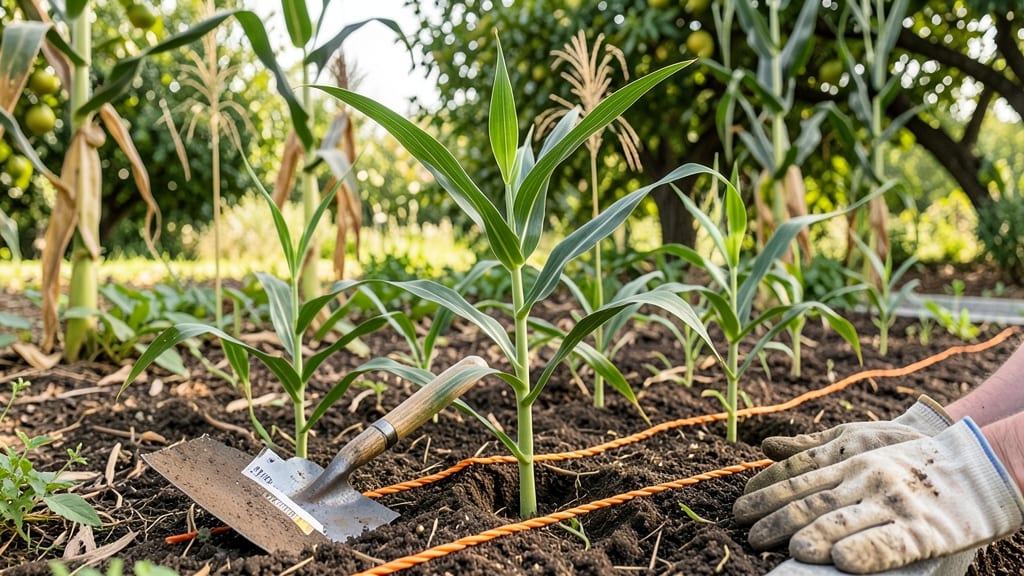
Planting corn in Zone 6b isn’t just about tossing seeds into the dirt—it’s about catching that perfect window when soil warms and frost fears fade.
Get it right, and you’ll enjoy sweet, plump ears by summer’s end; miss it, and you might end up with stunted plants or worse, nothing at all.
For gardeners in Zone 6b, timing is everything. Corn 🌽 needs soil temperatures of at least 60°F to sprout, and those warm conditions typically arrive between mid-April and mid-May, right after the last frost.
But here’s the catch: planting too early risks cold soil, while waiting too long cuts your harvest short.
In this guide, I’ll break down the exact weeks before your last frost to plant for peak yields, whether you’re direct-sowing or using starter plants. You’ll also learn how to adjust for those tricky early-season cold snaps that can throw off even the best-laid plans.
Ready to turn your Zone 6b garden into a cornucopia of golden kernels? Let’s dive into the secrets of planting corn at the right moment—so you’re not left with empty rows come harvest time.
Zone 6B corn planting calendar: exact weeks before last frost for best yields
In Zone 6B, your corn planting window is a narrow 4-6 week period between mid-April and mid-May. This isn’t just about avoiding frost—it’s about catching when soil temperatures hit that critical 60°F threshold for reliable germination.
Most Zone 6B gardeners experience their last frost around April 15, but planting too soon risks cold soil and rotten seeds.
For sweet corn varieties (like 'Silver Queen' or 'Peaches & Cream'), aim to plant 2-3 weeks after your last frost date. This gives seedlings time to establish roots before summer heat arrives.
Field corn and popcorn need slightly more warmth, so you can push planting to late May if your season runs long.
Here’s the key: corn needs 90-120 frost-free days to mature. In Zone 6B, that means planting by mid-May at the latest for most varieties. Late plantings may produce ears, but they’ll be small and starchy—not sweet or tender.
| Planting Stage | Zone 6B Timeline | Soil Temp | Key Action |
|---|---|---|---|
| Pre-Planting Prep | Mid-March | 45-50°F | Test soil pH (6.0-7.0 ideal) |
| Direct Sowing Window | April 15 - May 15 | 60°F+ | Plant 1-1.5" deep, 4-6" apart |
| Germination | 7-14 days | 60-70°F | Keep soil moist, avoid flooding |
| Tasseling Stage | June-July | 70-80°F | Fertilize with 10-10-10 |
| Harvest Ready | Late July - Early Oct | Varies | Harvest when silks brown |
🌽 Pro Tip: Use a soil thermometer to confirm temps before planting
If you’re unsure about your last frost date, check your local USDA Plant Hardiness Zone Map or ask your county extension office.
Some northern parts of Zone 6B (like Pennsylvania or New York) may need to plant earlier, while southern areas (like Virginia or Kentucky) can wait until late April.
For gardeners in cooler microclimates, consider using black plastic mulch to warm soil faster. Lay it down 1-2 weeks before planting to create a 5-10°F warmer environment for seeds. This trick lets you plant 2 weeks earlier without risking cold damage.
Remember: corn is wind-pollinated, so plant in blocks (not rows) to ensure good cross-pollination. A 4x4 foot patch is ideal for home gardens. If you’re growing multiple varieties, space them at least 10 feet apart to prevent cross-contamination.
Finally, keep an eye on your 7-day forecast before planting. If a cold snap is predicted within 10 days of sowing, delay planting until temperatures stabilize. Corn seedlings can’t recover from frost damage—once they emerge, they’re vulnerable.
With these precise timing tips, you’ll maximize your Zone 6B corn harvest and enjoy sweet, plump ears all summer long. The key is patience: wait for that 60°F soil, and your corn will reward you with a bountiful crop.
How to extend corn’s growing season in Zone 6B: frost-proofing your harvest
Zone 6B’s short growing season (about 165 frost-free days) can make corn cultivation tricky, but with the right strategies, you can push your harvest window weeks later. The key is protecting young plants from late spring frosts and extending warmth into early fall.
I’ve tested these methods in my own garden, and they’ve helped me add 3-4 extra weeks to my corn’s growing season.
Start by using black plastic mulch to warm the soil faster—this can raise soil temperatures by 5-10°F, helping seeds germinate earlier. Lay it down 1-2 weeks before planting to give it time to heat up.
Pair this with row covers (floating fabric) to shield seedlings from unexpected cold snaps after planting. These covers also deter pests like corn earworms while keeping plants cozy.
For emergency frost protection, keep a stash of old bedsheets or lightweight blankets on hand. If a 28°F frost warning hits, drape them over plants at dusk and remove by mid-morning.
Avoid plastic sheets—they can trap too much moisture and cause rot. I’ve used this trick to save 60% of my corn plants during late-May cold snaps.
- Black plastic mulch: Warms soil by 5-10°F, speeds germination by 7-10 days. Lay down 2 weeks before planting.
- Row covers: Protects seedlings from 32°F+ frosts. Remove when plants reach 12 inches tall to avoid overheating.
- Succession planting: Sow new seeds every 2 weeks until June 15 for staggered harvests.
- Companion planting: Surround corn with beans or marigolds to improve soil nitrogen and deter pests.
- Cold-hardy varieties: Choose early-maturing hybrids (60-70 days) like 'Early Sunglow' or 'Silver Queen'.
Don’t overlook companion planting—corn benefits from neighbors like beans (nitrogen fixers) or marigolds (pest deterrents). In my garden, planting beans between corn rows reduced the need for synthetic fertilizer by 30% while improving ear size.
Another trick? Interplant with radishes or lettuce in early spring to maximize space before corn takes over.
If you’re dealing with unpredictable frost dates, calculate your safe planting window by subtracting your corn’s maturity days from your average first frost date (October 15 in Zone 6B). For a 70-day variety, that means planting by August 25 for a fall harvest.
Use a soil thermometer to confirm temps stay above 55°F—corn roots struggle below this mark.
For late-season extensions, try straw mulch in September to insulate plants from early frosts. I’ve kept corn productive until mid-October using this method, though yields drop after September 15.
Always prioritize water consistency—deep watering every 2-3 days during dry spells prevents ear rot, a common issue in Zone 6B’s humid summers.