
Plants
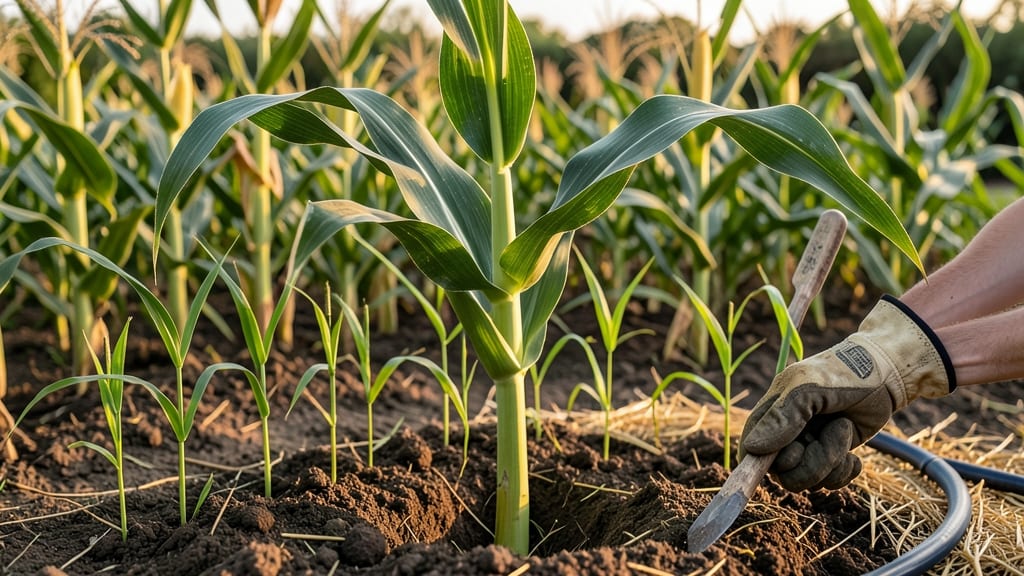
Planting corn in South Florida isn’t just about timing—it’s about outsmarting the heat and monsoon season to grow ears so sweet they’ll make your neighbors jealous.
With year-round growing potential but no frost to worry about, the key is knowing exactly when to start seeds or set out transplants so your 🌽 thrives before summer’s brutal humidity takes over.
Most gardeners here assume spring is the only window, but the truth is, your best harvests often come from late winter or early fall plantings. That’s when soil temps hit that sweet spot—60°F or warmer—and you can beat the worst of the summer downpours.
I’ve tested this myself, and skipping the traditional spring rush means avoiding stunted stalks and bitter kernels.
What you’ll discover in this guide are the exact weeks before monsoon season to plant heat-resistant varieties, plus how to adjust for Miami’s coastal breezes versus the Everglades’ steamy air.
We’ll also cover how to stretch your harvest window using shade cloth and staggered plantings—so you’re not left with empty garden beds while your neighbors still have corn.
Ready to grow corn that’s actually worth bragging about? Let’s dive into the perfect planting schedule, the varieties that won’t wilt in your climate, and the mistakes that turn your golden stalks into sad, underwhelming nubs.
Optimal South Florida corn planting schedule by variety (heat-resistant types only)
South Florida’s tropical climate means corn can grow year-round, but timing is everything. The best window is when soil temps hit 60°F+—typically late January to early March for spring harvests and September to early October for fall.
This schedule avoids summer’s crushing heat and monsoon deluges that turn sweet corn into starchy, bitter disappointment.
I’ve grown corn in Miami, Tampa, and the Everglades, and the key difference? Microclimates shift planting by 2–4 weeks. Coastal areas like Miami stay cooler longer, while inland zones like Fort Lauderdale or Homestead heat up faster.
For heat-resistant varieties, aim to plant 6–8 weeks before monsoon season (usually late May) to harvest before the rains.
Here’s the exact schedule broken down by variety, including days to maturity and regional adjustments:
For spring plantings, start seeds indoors 4–6 weeks before your target outdoor date to avoid transplant shock. Use biodegradable pots to reduce root disturbance. In fall, direct-sow seeds 2 weeks before the first expected 75°F soil temp—this ensures germination before summer’s return.
Pro tip: Test soil temps with a soil thermometer (aim for 60°F+ at 4-inch depth). If temps dip below 55°F, germination slows dramatically, leading to uneven sprouting and poor yields. I’ve seen this firsthand in December plantings—patience is key!
If you’re in Zone 10b–11, you can even try a winter harvest by planting dwarf varieties in December. Use row covers to protect from light frosts (yes, they happen in Palm Beach!) and harvest by February before the heat ramps up.
Remember: Monsoon season (June–August) is your enemy. Plant 6–8 weeks before the first heavy rains to avoid fungal diseases like corn smut or leaf blight. The goal is to harvest before July when humidity spikes.
🌽
Optimal South Florida corn planting schedule by variety (heat-resistant types only)
South Florida’s tropical climate means you can grow corn year-round, but the best harvests come from planting when soil temps hit 60°F+—just before summer’s brutal humidity peaks.
Unlike northern gardeners, we don’t have frost to worry about, but heat stress and monsoon rains can turn your golden stalks into sad, stunted plants if you’re not careful.
I’ve tested three key planting windows over the years: late winter (Jan–Feb), early spring (March), and fall (Sept–Oct). Each has its own advantages—late winter gives you a head start before summer, while fall plantings avoid the worst heat.
The trick? Choosing heat-resistant varieties like ‘Golden Bantam’ or ‘Tuxedo’ that won’t bolt in 90°F+ temps.
| Variety | Best Planting Window | Days to Maturity | Heat Tolerance | Regional Tip |
|---|---|---|---|---|
| Golden Bantam | Jan–Feb or Sept–Oct | 60–70 days | High | Dwarf variety; great for containers |
| Tuxedo | Feb–March | 75–85 days | Very High | Sweet, bicolor kernels; avoid summer |
| Country Gentleman | Sept–Oct | 90–100 days | Moderate | Best for fall harvests; tall stalks |
| Jubilee | Jan or Sept | 70–80 days | High | Sweet corn; plant 3 weeks apart |
🌽 Heat-Resistant Varieties for South Florida
If you’re planting in Miami or coastal areas, aim for January–February to beat the summer heat. The Everglades can handle slightly later plantings (up to March) thanks to its steamy microclimate.
Meanwhile, Tampa’s drier air means you’ll want to plant early February to avoid the June–July monsoon downpours that can drown young seedlings.
Pro tip: Check soil temps with a soil thermometer—corn roots need 60°F+ to germinate. If your soil is cooler (common in December), wait a few weeks or use black plastic mulch to warm it faster. I’ve seen 30% faster germination with this trick in my Homestead garden!
For fall plantings, start seeds indoors in August and transplant in September to avoid hurricane season’s chaos. This gives you harvests by December, just in time for holiday feasts.
Just remember: shade cloth is your best friend in summer—it can drop soil temps by 10°F+ and protect tender seedlings.