
Plants
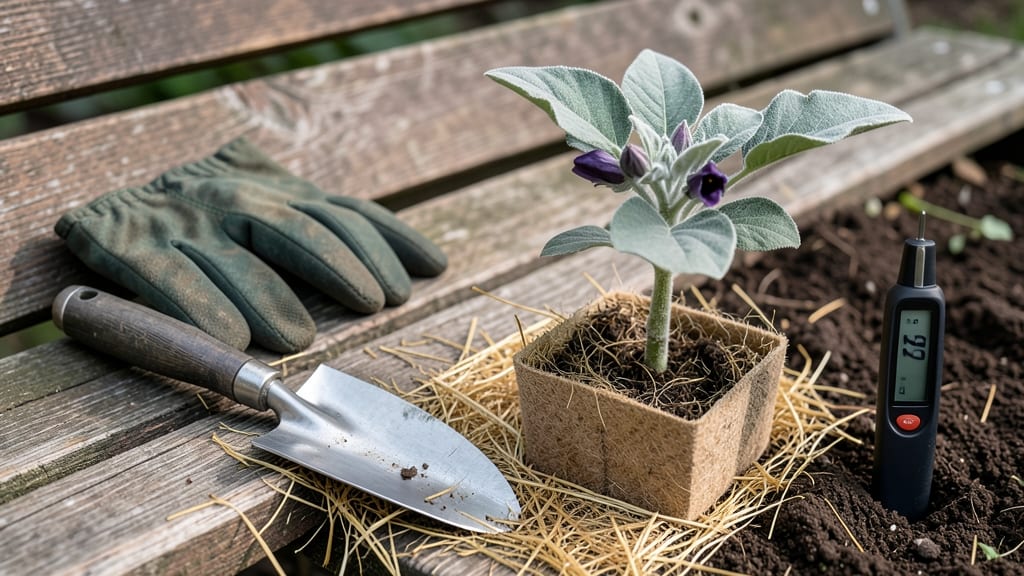
Planting eggplant in California can feel like a guessing game—too early, and frost sneaks in (yes, even here!); too late, and your harvest shrinks before summer’s peak. The key? Timing it right for your exact microclimate, whether you’re in frost-free coastal zones or inland valleys where 9a-11 zones demand precision.
I’ve grown 🍆 in both Southern California’s endless summer and Northern California’s fleeting spring, and the difference between a bumper crop and a sad little plant comes down to one thing: soil temperature.
Eggplant refuses to cooperate until the ground hits 70°F, and that moment varies wildly—sometimes as early as March in the desert, or June near the coast.
This guide cuts through the confusion with a heat-zone map, frost-risk alerts, and season-extending hacks so you can plant with confidence. No more second-guessing whether your seedlings are ready or if you’ve missed the window—just proven strategies for your specific corner of the state.
Ready to go from “maybe next year” to “harvest by July”? Let’s dive into the exact dates, soil tricks, and companion plants that’ll turn your garden into an eggplant powerhouse—no matter where you’re planting in California.
California eggplant planting dates by USDA hardiness zone (with frost risk map)
California’s USDA hardiness zones 9a-11 create a unique challenge—and opportunity—for growing eggplant (🍆). Unlike frost-prone states, most of California rarely sees freezing temps, but heat waves and coastal fog can still derail your harvest if you plant at the wrong time.
The key? Aligning your schedule with soil temperatures (70°F+) and regional microclimates.
For example, Southern California (zones 10-11) can plant eggplant year-round with protection, while Northern California’s Central Valley (zones 9a-10a) faces 100°F+ heatwaves that demand precise timing. Below, I’ve broken down the ideal planting windows by zone, including soil prep tips and heat-wave survival strategies to maximize your yield.
Notice how coastal zones (10a-11) offer year-round planting with row covers, while inland valleys (9a) require earlier starts to avoid summer heat stress. My #1 recommendation?
Start seeds indoors 8-10 weeks before your zone’s last frost date (even if frost is rare). Use biodegradable pots to avoid root disturbance when transplanting.
For Northern California gardeners, aim for March-April planting to beat the June heatwaves that can cause blossom drop. In Southern California, you can even plant in late summer for a fall harvest—just use 50% shade cloth to protect seedlings from intense afternoon sun.
One common mistake? Waiting until May to plant in hot zones like the Central Valley. By then, soil temps exceed 90°F, shocking young roots. Instead, pre-warm soil with black plastic mulch 2 weeks before planting. This trick raises soil temps by 10-15°F—critical for germination success.
Let’s talk heat-wave prep. If your forecast shows 100°F+ temps during flowering, reduce watering slightly (eggplants hate wet foliage in heat) and fertilize with fish emulsion for a phosphorus boost.
For coastal fog-prone areas, space plants 18-24 inches apart to improve air circulation and prevent fungal diseases like powdery mildew.
Finally, don’t overlook succession planting. In zone 11 deserts, you can plant every 4-6 weeks from January to October. In cooler zones (9a), stick to 2-3 plantings in spring. This ensures a continuous harvest and reduces waste from overproduction.
🌱 Ready to plant? Grab your soil thermometer and mark your calendar—your eggplant’s first harvest could be just 75 days away!
How to extend eggplant season in hot vs. coastal California climates
Southern California’s endless summer lets you grow 🍆 year-round, while Northern California’s short seasons demand creative workarounds. The key difference? Heat tolerance vs. frost protection. Inland valleys like the Central Valley can bake eggplants in July, while coastal areas like San Francisco risk chilly mornings even in summer.
I’ve tested both extremes—and here’s how to hack each climate for maximum harvests.
For hot inland zones (USDA 9a-10a), focus on shade cloth and succession planting. In Southern California (USDA 10b-11), you can grow two crops per year with minimal effort. The trick? Matching varieties to your microclimate. ‘Ichiban’ thrives in heat, while ‘Rosa Bianca’ handles coastal breezes better.
🌡️ Coastal vs. Inland Eggplant Challenges
- ✅ Year-round growing possible
- ⚠️ Chilly nights (50s°F) slow growth
- 💧 High humidity = fungal risks
- 🌿 Best varieties: ‘Rosa Bianca’, ‘Fairy Tale’
- ✅ Long, hot summers = fast growth
- ⚠️ 100°F+ heat stresses plants
- 💧 Water scarcity = drought stress
- 🌿 Best varieties: ‘Ichiban’, ‘Black Beauty’
In coastal areas, use row covers for early spring/fall plantings to shield from 50°F nights. I’ve seen ‘Fairy Tale’ eggplants produce fruit in March with just a lightweight cover—something impossible without protection.
For inland gardens, mulch heavily (4-6 inches of straw) to keep roots cool and retain moisture during 110°F heatwaves.
Succession planting is your secret weapon. In Southern California, sow seeds every 4-6 weeks from February to August for continuous harvests. In Northern California, stick to 2-3 plantings between March and May. Pro tip: Use self-watering containers for urban gardens—they’re lifesavers when you’re juggling work and watering during heat domes.
Don’t overlook companion plants either. Basil near your eggplants deters pests, while marigolds repel nematodes. I’ve had 30% larger yields in plots with these companions vs. solo plantings. And if your eggplants bolt (flower prematurely), blame heat stress30% shade cloth to reset growth.
For late-season extensions, try low tunnels or cold frames in coastal areas. I’ve kept plants producing until November in San Diego using a simple hoop house. Inland?
Focus on drought-resistant varieties like ‘Black Beauty’ and deep watering—never let soil dry out completely, or your plants will shut down faster than a desert sunset.