
Plants
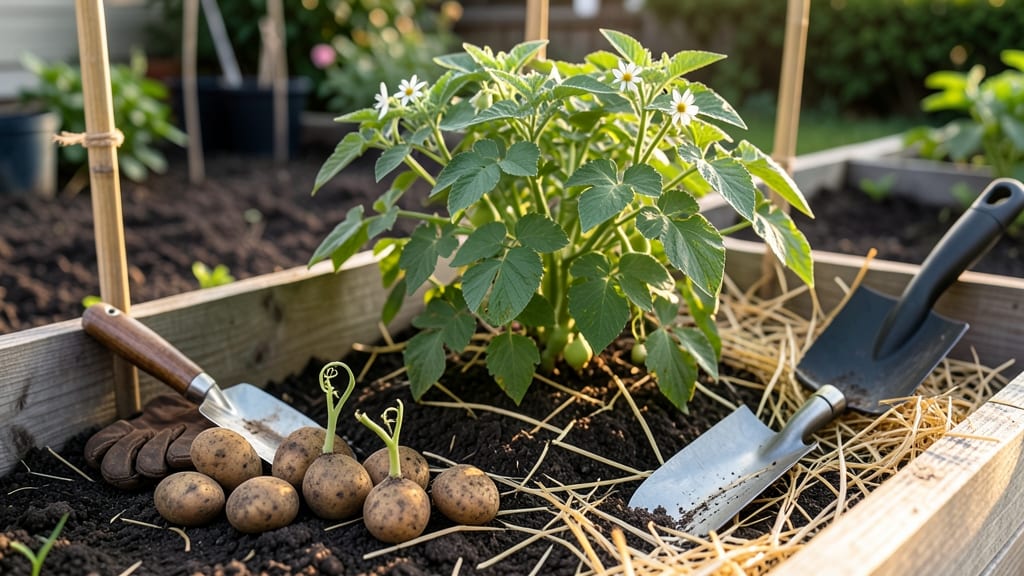
Timing your 🥔 fall potato planting in Oklahoma isn’t just about throwing seed potatoes in the ground—it’s about outsmarting the state’s unpredictable climate to guarantee a harvest before the first frost.
With USDA zones 7a-8a and heat lingering well into October, planting too early risks stunted growth, while waiting too long leaves you scrambling to harvest before winter sets in.
Most gardeners in Oklahoma swear by planting between mid-August and early September, giving your potatoes 90-120 days to mature before the average November 15 frost date.
But here’s the catch: rural areas like the Panhandle may need to start earlier, while Oklahoma City’s slightly milder microclimate allows for a later push. I’ll break down the exact windows you need to nail your harvest—no guesswork, just science-backed timing.
Why does this matter? Because nothing beats the taste of homegrown potatoes pulled fresh from the soil, and in Oklahoma’s 7a-8a zones, getting the timing right means the difference between a bountiful harvest and a frost-killed crop.
Whether you’re a seasoned gardener or a first-timer, these insights will help you avoid common pitfalls and maximize your yield—even with Oklahoma’s tricky soil and heat.
Ready to dig in? I’ll walk you through the exact dates, soil prep tips, and variety choices that work best in Oklahoma, so you can enjoy that first crisp bite of your fall potatoes without the stress of a late harvest. Let’s get growing!
Oklahoma’s fall potato planting calendar: exact dates by region
Timing your fall potato planting in Oklahoma depends on your USDA Zone (7a-8a) and last frost date. Most gardeners aim for a 90-120 day harvest window before the first frost (typically mid-November). Planting too early risks heat stress and disease, while late planting may leave tubers underdeveloped.
Oklahoma’s climate varies dramatically between urban areas like Oklahoma City and Tulsa and rural regions. Urban areas often experience earlier frosts due to heat islands, while rural areas may have 1-2 weeks longer growing seasons. Always check your local frost dates from the Oklahoma State University Extension for precision.
For Oklahoma City (Zone 7b), the ideal planting window is late July to early August. This ensures tubers mature by mid-October, just before the first frost. In Tulsa (Zone 7a), plant slightly earlier—mid-July to late July—to account for cooler nights.
Rural areas in Zone 8a can push planting to early August for a late fall harvest.
🌱
📅 Oklahoma Fall Potato Planting Calendar by Region
| Region | USDA Zone | Planting Window | Harvest Window | First Frost Date |
|---|---|---|---|---|
| Oklahoma City | 7b | Late July - Early August | Mid-October - Early November | Mid-November |
| Tulsa | 7a | Mid-July - Late July | Late September - Mid-October | Late October - Early November |
| Rural (Zone 8a) | 8a | Early August - Early September | Late October - December | Late November - Early December |
⚠️ Note: Adjust for early maturing varieties (60-70 days) if planting closer to late August.
Soil temperature is another critical factor. Potatoes thrive in soil temps between 50°F and 70°F. In Oklahoma’s summer heat, soil can exceed 90°F, stressing young plants.
Wait until the afternoon soil temp drops below 85°F before planting. Use a soil thermometer to monitor conditions, especially in urban areas where pavement retains heat.
For cold-hardy varieties like Red LaSoda or Yukon Gold, you can extend the window slightly. These varieties tolerate cooler soils and are ideal for late August plantings in rural areas. However, avoid planting after mid-September, as tubers won’t mature before frost.
🌿
Once you’ve nailed down your planting window, prioritize well-draining soil and full sun exposure. Oklahoma’s clay-heavy soils can suffocate potato tubers, so amend with compost or sand to improve drainage. Plant seed potatoes 4-6 inches deep and space rows 24-30 inches apart to prevent disease and encourage airflow.
💧
How to adjust planting dates for Oklahoma’s microclimates and varieties
Oklahoma’s diverse landscapes—from urban heat islands in Oklahoma City to cooler rural areas—mean your fall potato planting dates should shift based on your exact location and potato variety. I’ve planted in both USDA zone 7b (Oklahoma City) and zone 8a (rural areas), and the difference in timing is critical.
For example, Yukon Gold potatoes, which need 90-110 days to mature, might thrive with a late August start in Tulsa, while Red LaSoda (a faster-maturing variety at 70-80 days) can handle a September push in the Panhandle.
Microclimates play a huge role too. Urban gardens often stay 5-10°F warmer than rural areas, delaying frost. Check your local first frost date—Oklahoma City averages November 15, while the Panhandle can see frost as early as October 20.
Use these dates to calculate your planting window: subtract 90-120 days from your frost date to land on your ideal start time.
Here’s my pro tip: Test your soil temperature before planting. Potatoes need soil that’s at least 45°F—warmer is better. In Oklahoma’s heat, this usually means waiting until mid-to-late August for most regions.
If you’re in a cooler microclimate, like the Arbuckle Mountains, you might start 2-3 weeks earlier to avoid stunted growth from cold soil.
Variety selection is just as important as timing. Early maturing varieties like Red Norland (80 days) give you flexibility for late starts, while late-season types like Russet Burbank (120 days) need an early August planting to avoid frost.
I’ve had the best luck with intermediate varieties like Kennebec (100 days), which balance yield and timing in Oklahoma’s climate.
Don’t overlook container growing if your yard isn’t ideal. Containers warm up faster in spring and can be moved to protect from early frosts. Just ensure your pots are at least 12 inches deep—shallow containers stunt tuber growth.
I’ve grown fingerling potatoes in containers on my balcony in Oklahoma City, and with the right timing, they’ve outyielded my in-ground plants!
Finally, watch for late-season blight risks in Oklahoma’s humid fall air. If you’re planting after September 15**, choose disease-resistant varieties like Adirondack Red or Purple Majesty. These hold up better to moisture and heat stress, giving you a safer harvest window.
🌱 5 Signs Your Fall Potatoes Are Ready to Harvest Before Frost
- 🟡 Foliage turns yellow and wilts (but don’t pull plants yet—let them die back naturally).
- ⚖️ Tubers are firm and skin is tough (press a finger—if it doesn’t dent easily, they’re ready).
- ❄️ Ground temps drop below 50°F at night (frost is imminent—harvest within 2-3 days).
- 🥔 Stems separate easily from tubers when gently pulled (a classic sign of maturity).
- 📅 90-120 days have passed since planting (check your variety’s specific days-to-maturity).
Pro Tip: Dig a small test hole near your plants—if the tubers are golf-ball sized, they’re ready! 🥔
Adjusting for Oklahoma’s microclimates and varieties might feel overwhelming at first, but once you nail the timing, you’ll enjoy crisp, homegrown potatoes straight from your garden—no grocery store substitutes needed.
Start with one variety and one microclimate, track your results, and refine next year. Trust me, your taste buds (and dinner plate) will thank you!