
Trees
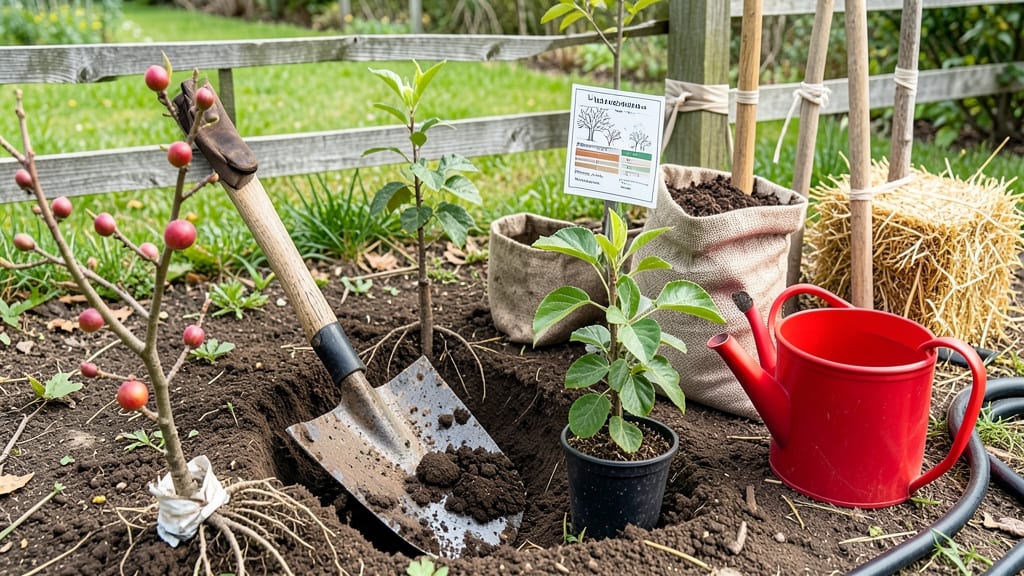
Planting your fruit tree 🍎 at the wrong time in Virginia could mean watching it struggle—or worse, die—before it ever bears fruit. The key to success lies in understanding your local climate and matching it to the right planting window, whether you're in the cooler mountains or warmer Piedmont region.
Most gardeners in Virginia know the general rule: late winter to early spring or fall. But without knowing exactly when to plant—like whether your area's last frost hits in March or April—you might be setting your tree up for failure.
I’ll show you how to pinpoint the perfect moment based on your specific zone and tree type.
From bare-root peaches that need chilly dormancy to container-grown apples that adapt better to Virginia’s heat, each variety has its own ideal timing. We’ll break down the chill-hour requirements, soil prep secrets, and even how to protect young trees from late frosts that can wipe out months of work.
Ready to plant with confidence? By the end, you’ll know not just when to plant your fruit tree, but how to give it the best shot at thriving for decades. Let’s get started.
Virginia hardiness zones and best planting months for fruit trees
Virginia spans USDA hardiness zones 5-8, creating dramatic differences in planting windows. In the cooler mountains (zones 5-6), your last frost typically arrives by mid-April, while the warmer Piedmont (zones 7-8) sees frost as late as mid-March.
These variations mean your peach tree might thrive in zone 6 but struggle in zone 8 without the right chill hours.
Most Virginia gardeners succeed by planting bare-root trees in late winter (February-March) while they're dormant, or container-grown trees in fall (October-November). This timing lets roots establish before summer heat arrives. However, fall planting works best in zones 6-7 where winters are mild enough to avoid transplant shock.
| Zone | Best Planting Window | Frost Risk | Tree Type |
|---|---|---|---|
| 5-6 (Mountains) | Late March-April | High (last frost: April 15) | Apples, Pears, Cherries |
| 7 (Piedmont) | February-March | Moderate (last frost: March 31) | Peaches, Plums, Figs |
| 8 (Coastal Plain) | January-February | Low (last frost: March 15) | Citrus, Figs, Persimmons |
| All Zones | October-November (container-grown) | Low | Any variety |
For bare-root trees, the dormant season (when trees lose leaves) is critical. Plant them as soon as soil is workable—typically February in zone 8 and March in zone 6. Container-grown trees offer more flexibility, allowing planting year-round except winter, but spring and fall remain ideal.
Always check your local frost dates using the National Weather Service or Virginia Cooperative Extension. I once planted a peach tree in zone 7 on March 15th, only to lose it to a late frost. Now I wait until April 1st for that variety.
Protect young trees with frost cloth if nighttime temps drop below 28°F. In zone 5, this happens frequently until mid-May. A simple row cover can save your investment during those critical first growing seasons.
Soil temperature matters too—roots need 40-50°F soil to establish. Use a soil thermometer to verify before planting. In my zone 6 garden, I wait until soil reaches 45°F before setting out bare-root trees.
Remember: Fall planting gives roots time to establish before winter, but avoid planting after October 15th in zones 6-7. The tree needs 6-8 weeks to harden off before cold sets in.
If you're in zone 8, consider early January planting for container-grown trees. The mild winters mean less frost risk, and trees can focus on root growth before spring blooms.
For maximum success, align your planting with moon phases—root crops thrive during the waning moon. I plant most fruit trees during the last quarter moon in February for best results.
Chill-hour requirements for popular fruit trees in Virginia
Virginia’s climate ranges from 300 to 1,000 chill hours, meaning some fruit trees thrive in the mountains while others struggle in the warmer Piedmont. Chill hours are the number of hours below 45°F a tree needs to produce fruit the following year.
Planting the wrong variety in your zone can mean no blooms and no harvest.
For example, a peach tree needs 400-600 chill hours to bloom, while figs (like Celeste) often need less than 300 chill hours and do well in warmer zones like Virginia’s Coastal Plain. Let’s match your zone to the perfect fruit tree.
🌱
| Fruit Type | Chill Hours Needed | Best Virginia Zones | Top Varieties |
|---|---|---|---|
| Apple | 600-1000 | 6a-7a (Mountains) | Fuji, Gala, Honeycrisp |
| Peach | 400-600 | 6b-7b (Piedmont) | Elberta, Redhaven |
| Cherry | 500-800 | 6a-7a (Mountains) | Stella, Bing |
| Fig | 0-300 | 7b-8a (Coastal Plain) | Celeste, Brown Turkey |
| Pear | 400-600 | 6b-7b (Piedmont) | Bartlett, Anjou |
If you’re in Zone 6a or 7a (like the Blue Ridge Mountains), focus on apples and cherries with high chill-hour needs. In Zone 7b or 8a (Piedmont or Coastal Plain), peaches and figs are safer bets. Always check the chill-hour range on the tree tag before buying!
For example, I planted a Redhaven peach in my Zone 7b garden, and it blooms every spring—while my neighbor’s Honeycrisp apple (also Zone 7b) barely flowers because it needs 800+ chill hours. Matching your zone to the tree’s needs saves time and frustration.
Pro tip: Use a chill-hour calculator (like the one from the Virginia Cooperative Extension) to input your local weather data. This ensures you pick a tree that will reliably produce fruit where you live. 🌳