
Trees
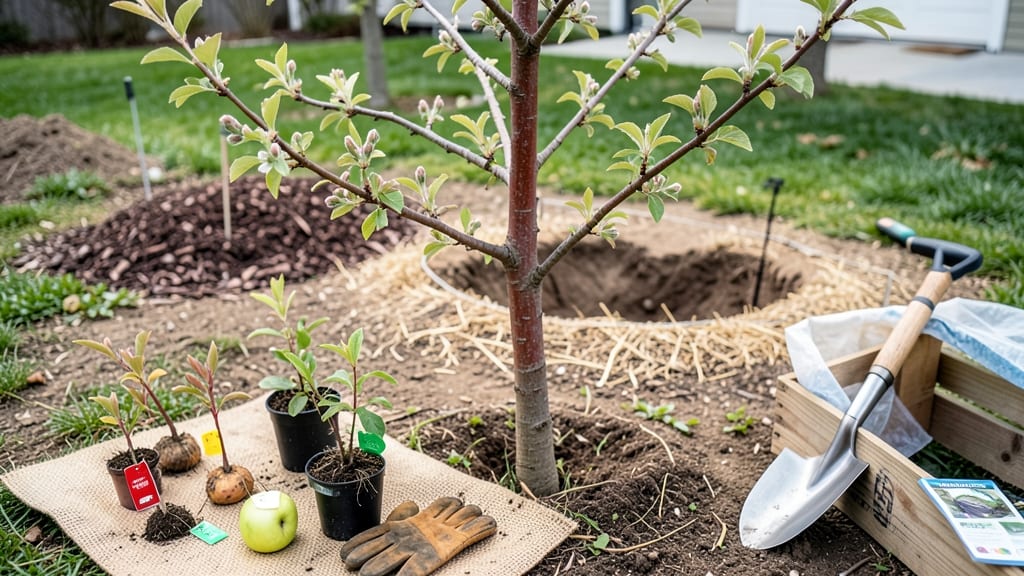
Planting fruit trees at the wrong time in Washington can turn your dream orchard into a frost-killed disappointment—unless you know the exact window to act.
The secret isn’t just waiting for spring; it’s matching your tree’s chill-hour needs with your local frost dates, and most gardeners miss this critical step every year.
Whether you’re in the rainy Western WA zones or the drier Eastern WA regions, timing matters more than you think.
Bare-root trees need to go in the ground while dormant, while container-grown varieties can wait just a little longer—but get it wrong, and you’re risking stunted growth or no fruit at all. Let’s break down the best months to plant for reliable blooms and harvests.
You’ll discover how to read your local microclimate—urban heat islands, sheltered valleys, or exposed hilltops can shift planting windows by weeks. I’ll share the top fruit varieties that thrive in each zone, from apples that love the Pacific Northwest’s chill to peaches that need Eastern WA’s longer summers.
Ready to avoid the common mistakes that waste time and money? We’ll cover soil prep, frost protection, and the best tools to track your last frost date—so you can plant with confidence and enjoy that first harvest in summer or fall.
Washington’s planting zones and chill-hour requirements for fruit trees
Washington’s diverse climate—from the cool, wet Pacific Northwest to the hot, dry Columbia Basin—means fruit trees thrive in USDA zones 4 through 8.
But timing isn’t just about seasons; it’s about matching your tree’s chill-hour needs (the number of hours below 45°F it needs to bloom) with your local frost dates. For example, apples and pears need 600–1,000 chill hours, while peaches and nectarines require 300–500.
In Western WA (zones 7–8), where winters are mild, planting bare-root trees in late winter (February–March) gives roots time to establish before spring rains. Meanwhile, Eastern WA (zones 4–6) gardeners should wait until April–May to avoid early frost damage.
Container-grown trees can be planted 2–3 weeks later than bare-root varieties.
Here’s how to align your planting with Washington’s last frost dates and chill-hour zones for reliable blooms:
| Zone & Region | Last Frost Date | Chill Hours Needed | Best Planting Window | Top Varieties |
|---|---|---|---|---|
| Western WA (Zones 7–8) | Mid-February to early April | 600–1,000 hours | Late February–March (bare-root) or April (container) | Honeycrisp, Fuji, Rainier cherries |
| Eastern WA (Zones 4–6) | Late April to early June | 300–600 hours | April–May (bare-root) or May–June (container) | Red Haven peaches, Starking Delicious apples |
| Columbia Basin (Zones 6–7) | Mid-March to early May | 400–700 hours | March–April (bare-root) or April–May (container) | Zestar! pears, Black Diamond cherries |
For bare-root trees, plant as soon as the soil is workable (around 40°F)—this is usually February–March in Western WA and April–May in Eastern WA. Container-grown trees can wait until 2–3 weeks later because their roots are already established.
Always check the USDA Plant Hardiness Map for your exact location, as microclimates (like urban heat islands or sheltered valleys) can shift frost dates by 2–4 weeks.
Pro tip: Use a frost-free date calculator (like the one from the Washington State University Extension) to pinpoint your local window. For example, Seattle (Zone 8) typically has its last frost in mid-February, while Spokane (Zone 5) waits until late April.
Planting too early risks frost damage to new growth, while waiting too long delays root establishment.
In Western WA’s wetter zones, prioritize disease-resistant varieties like Liberty apples or Montmorency cherries, which handle humidity better. Meanwhile, Eastern WA’s drier climate suits peaches and apricots, which thrive with less water.
Always amend your soil with compost and organic matter to improve drainage—especially critical in clay-heavy soils common in the Puget Sound region.
One common mistake? Ignoring soil pH. Apples and pears need acidic soil (pH 5.5–6.5), while peaches prefer slightly alkaline (pH 6.0–7.0). Test your soil before planting—most Washington nurseries offer pH test kits or send samples to the WSU Soil Lab for analysis.
Finally, consider rootstock choices. Dwarf varieties (like M.9 rootstock) are ideal for small spaces in urban gardens, while standard-sized trees (like MM.106 rootstock) suit rural orchards. Always ask your nursery for region-specific recommendations—they’ll know which rootstocks handle your local pests and diseases best.
With the right timing and variety, your Washington fruit trees will reward you with abundant harvests for decades. Start by matching your tree’s chill hours to your zone, then plant within the optimal window—and don’t forget to mulch and water deeply after planting to help roots establish.
Best fruit trees to plant in each Washington region for maximum yield
Washington’s diverse climate means the best fruit trees for your garden depend entirely on your region. In Western WA’s wetter zones (7–8), focus on varieties that handle high humidity and fungal diseases, while Eastern WA’s drier zones (4–6) thrive with low-maintenance, drought-tolerant options.
Even within these regions, microclimates—like urban heat islands or sheltered valleys—can shift what grows best in your yard.
For Western WA gardeners, prioritize apples, pears, and cherries that excel in cool, damp conditions. Varieties like Honeycrisp apples and Rainier cherries are top performers, but their success depends on proper spacing (15–20 feet apart) to prevent disease spread.
In contrast, Eastern WA’s warmer summers suit peaches, nectarines, and apricots, which need full sun and well-draining soil to avoid root rot.
-
🌱 Western WA (Zones 7–8)
Top Picks: Honeycrisp apples, Fuji apples, Rainier cherries, Montmorency tart cherries -
🌞 Eastern WA (Zones 4–6)
Top Picks: Red Haven peaches, Starking Delicious apples, Black Diamond cherries, Zestar! pears -
🌡️ Columbia Basin (Zones 6–7)
Top Picks: Zestar! pears, Black Diamond cherries, Redhaven peaches, Sentinel apples (disease-resistant) -
🏙️ Urban Microclimates (Seattle, Spokane, etc.)
Best for Small Spaces: Dwarf varieties (M.9 rootstock), columnar apples, Liberty apples (disease-resistant)
In Western WA’s coastal regions, where summers are mild, apples and pears are the stars. The Honeycrisp apple is a crowd-pleaser, but it needs cross-pollination—plant a Fuji or Gala nearby for better yields.
Meanwhile, Rainier cherries are prized for their sweetness but require thin-skinned care—avoid overhead watering to prevent cracking. For Eastern WA’s hotter summers, peaches and nectarines like Red Haven shine, but they need protection from late frosts during bloom.
Don’t overlook disease-resistant varieties, especially in Western WA’s wet climate. Liberty apples and Montmorency cherries are bred to withstand apple scab and cherry leaf spot, reducing the need for fungicides.
In Eastern WA, where codling moths are a bigger threat, organic sprays like neem oil or row covers can protect your harvest. Always choose region-specific rootstocks—for example, MM.106 rootstock for apples in Eastern WA handles drought and pests better than Western WA options.
One often-missed opportunity? Pollination partners. Many fruit trees are self-unfruitful, meaning they need another compatible variety nearby. For example, Honeycrisp apples need a Fuji or Gala within 50 feet for cross-pollination.
Check your tree’s tag or ask your nursery—skipping this step means fewer (or no) fruits despite proper care. In Eastern WA’s drier zones, where bees are less active, hand-pollination with a small brush can give your trees a boost in fruit set.
Finally, consider seasonal harvest windows. Western WA apples (like Honeycrisp) ripen in late summer to fall, while Eastern WA peaches (like Red Haven) are ready in early summer. Plan your orchard layout to stagger harvests—this way, you’re not overwhelmed with one variety all at once.
Pair early-season cherries with late-season apples for a continuous harvest from June through October.