
Plants
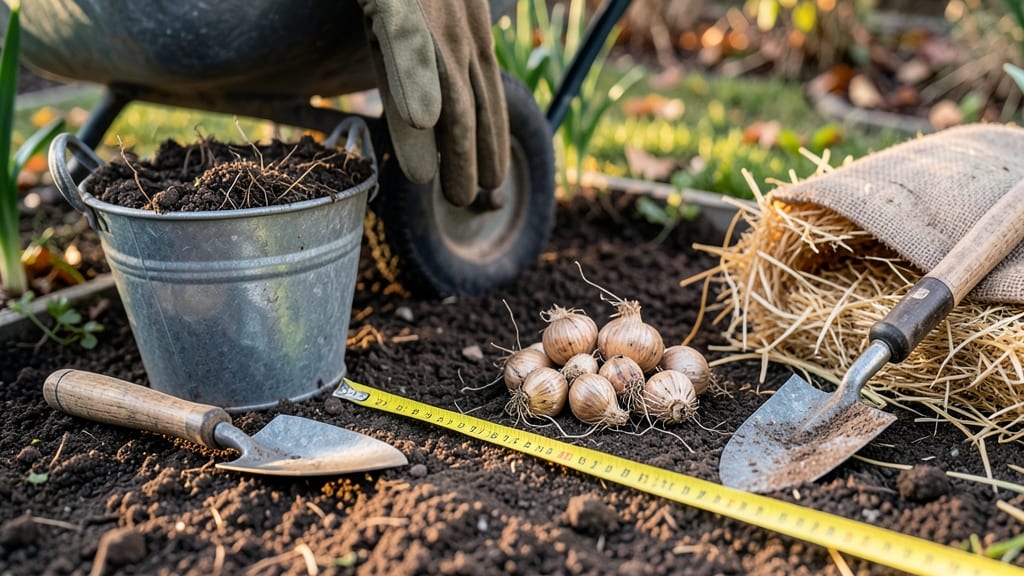
Planting daffodil bulbs at the wrong time in Massachusetts can leave you staring at bare soil come spring—no cheery 🌼 blooms in sight. The key to vibrant spring displays lies in timing those bulbs perfectly, when soil temps dip and frost looms but winter hasn't quite arrived.
For Massachusetts gardeners in zones 5b-6b, the ideal window opens in mid-September and stretches through November, but getting it just right makes all the difference.
Plant too early, and your bulbs might sprout before winter sets in. Wait too long, and they won't establish strong roots before the ground freezes.
I’ve learned the hard way that October is the sweet spot for most of the state—when daytime highs still feel crisp but nights grow chilly. This 6-week window gives bulbs enough time to root deeply before winter dormancy kicks in, ensuring those classic yellow trumpets burst through snowmelt next spring.
Let me walk you through exactly how to nail this timing, from soil temperature checks to adjusting for your specific corner of Massachusetts—because even a few weeks can mean the difference between a showstopping garden and a missed opportunity.
Optimal fall planting window for daffodils in Massachusetts (with exact dates)
Massachusetts gardeners have a 6-week window to plant daffodil bulbs—starting in mid-September and ending by mid-November. This timing ensures bulbs establish roots before winter dormancy, setting the stage for vibrant spring blooms. The key is balancing soil temperatures and frost dates, which vary slightly across the state.
In Boston and coastal areas (Zone 6b), aim to plant between September 20 and November 15, while Western MA (Zone 5b) gardeners should focus on October 1 to November 1.
These dates align with when soil temperatures drop to 60°F, the ideal threshold for root growth before winter sets in.
Planting too early (before September) risks premature sprouting, which can damage tender shoots in late fall freezes. Conversely, waiting until December leaves bulbs vulnerable to winter desiccation, as frozen soil prevents root establishment.
For gardeners in Zone 6b, the first two weeks of October are the sweet spot—when daytime highs average 65°F but nights dip below 50°F. This cooler weather mimics the bulbs' natural dormancy cues, encouraging root growth without premature sprouting.
If you miss the ideal window, don't panic! Early December planting is still viable in southern MA, but cover bulbs with 4-6 inches of mulch to insulate them. In northern regions, however, December planting risks bulb desiccation, so prioritize earlier dates.
Pro tip: Check the USDA Plant Hardiness Zone Map for your exact location—even small shifts (like moving from Zone 6a to 6b) can adjust your planting window by 1-2 weeks. For real-time updates, consult the Massachusetts Agricultural Extension Service frost forecasts.
Remember, daffodil bulbs need 6-8 weeks to establish roots before winter. Planting in late October gives them just enough time to anchor before the ground freezes—typically around mid-November in most of the state.
For a foolproof approach, mark your calendar for October 15 as the absolute deadline—this ensures bulbs have 4 weeks of root growth before winter dormancy begins. With this timing, you'll wake up to a garden bursting with cheerful daffodils by late April.
How soil temperature and weather affect daffodil root growth in MA’s climate
Daffodil bulbs thrive when soil temperatures hover between 50°F and 60°F—this 10°F range triggers root growth without encouraging premature sprouting. In Massachusetts, soil temps drop below 60°F by mid-October in most regions, signaling the perfect window for planting.
Use a soil thermometer to confirm—if temps stay above 65°F, bulbs may sprout too early and suffer in late fall freezes.
Frost plays a crucial role: bulbs need 6-8 weeks of root growth before winter dormancy. If frost arrives too early (like in Western MA by late October), bulbs planted after November 1 risk poor establishment.
Conversely, unseasonably warm falls (like 2023’s record-high October temps) can trick bulbs into sprouting, leaving them vulnerable to black rot when nighttime temps plummet.
⚠️ Watch for These Red Flags
Early planting (before September): Bulbs may sprout in warm falls, then die in late October freezes.
Late planting (after November): Roots won’t establish before ground freezes, leading to shriveled blooms or no flowers.
Unseasonable warmth: If soil stays above 60°F past October 15, delay planting until temps drop.
Adjust your timing based on microclimates: Coastal areas (like Cape Cod) stay warmer longer, while inland spots (like Pittsfield) freeze earlier. For example, Boston’s average first frost is October 25, while Northampton’s is October 10. Plant 2 weeks earlier in colder zones to compensate.
Mulching helps regulate soil temps: Apply 2-3 inches of straw or shredded leaves after planting to insulate bulbs. This 5°F buffer can extend root growth by 1-2 weeks in marginal zones. Just avoid piling mulch directly against bulb necks—keep it 2 inches away to prevent rot.
If you’re unsure about timing, use the "60°F rule": Wait until soil temps consistently stay below 60°F for 3 days straight. Check the Massachusetts Climate Data dashboard for real-time updates—it’s a gardener’s secret weapon for avoiding costly mistakes.
Remember, daffodils are hardy perennials, but their first year sets the tone for future blooms. Give them the cool, stable conditions they crave in fall, and they’ll reward you with years of effortless spring color—no fuss, no failures.